Astrobiologist Uses Apollo Lunar Samples As Mirror Onto Early Earth
A Tokyo-based astrobiologist is using an ingenious new way to garner insight into Earth’s 3.5-billion-year-old biosphere.
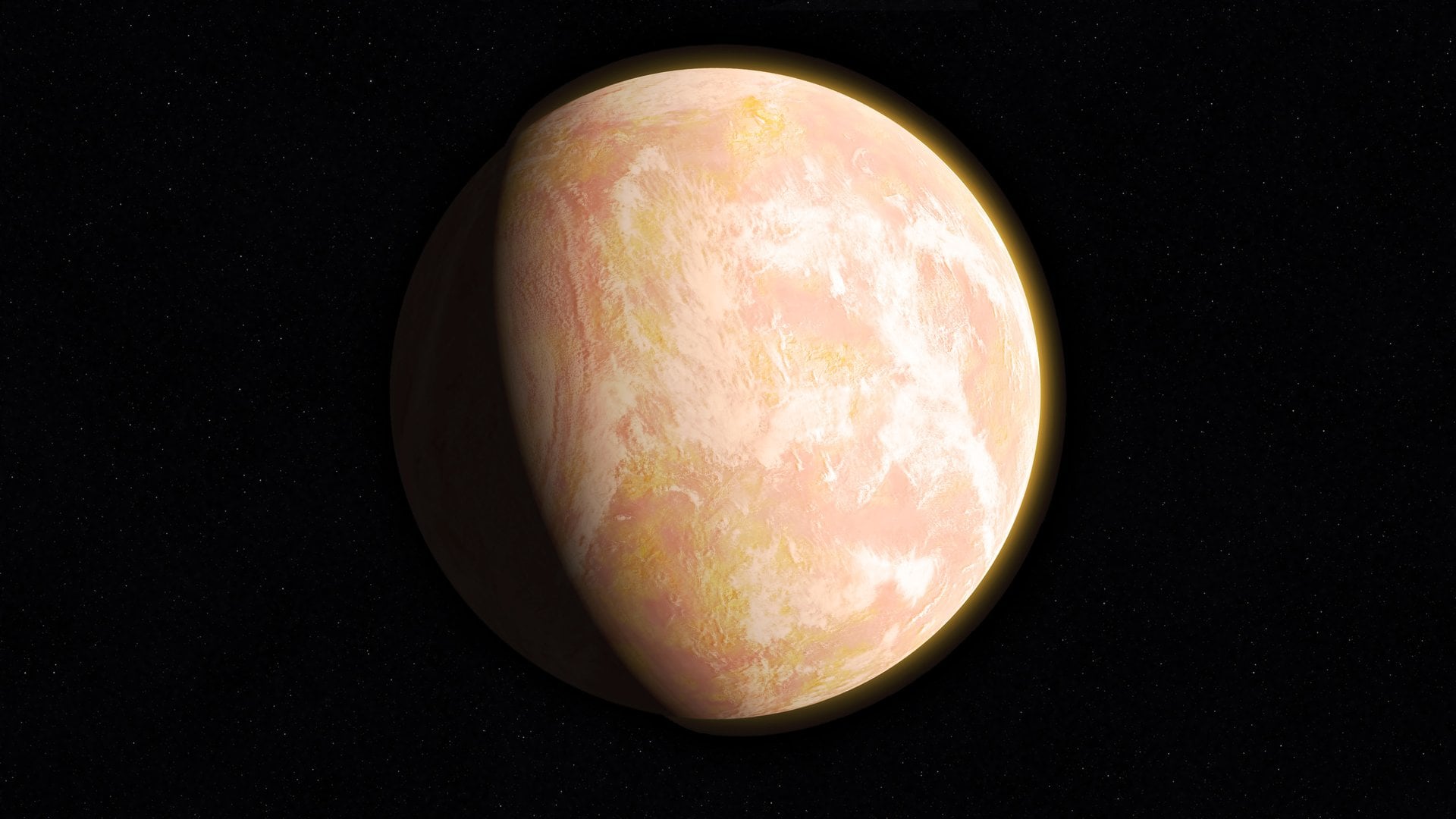
Astrobiologist Jared Landry of the Earth Life Science Institute in Tokyo is using Apollo lunar samples to shed light on early Earth. By analyzing nearside samples from the Apollo missions, Landry has found evidence that the Archean atmosphere, which existed 3.5 billion years ago, was significantly more sulfur-rich than today's atmosphere.
This high sulfur content supports the hypothesis that the Archean ocean contained significant levels of sulfur, providing a favorable environment for the synthesis of complex organics and the emergence of prebiotic and biotic pathways. The findings suggest that Earth had roughly a hundred times more carbon dioxide during the Archean epoch compared to today.
This result aligns with previous studies that estimate Earth needed about a tenth of an atmosphere of carbon dioxide during that time to sustain a liquid ocean, given the Sun's reduced luminosity at that time. Landry's research also indicates that Earth's atmosphere had roughly a hundred times more carbon dioxide than today, which would have been necessary to overcome the faint young Sun and maintain a liquid ocean.
The lunar samples suggest that a unique outflowing channel through which the Moon passes during its orbit plays a role in transporting Earth's atmospheric gases to the lunar surface. This channel is only available for a fraction of the Moon's orbit, making Landry's analysis particularly valuable in understanding the historical conditions on Earth.
Written by urgent.news from Universe Today's reporting — not their text. Machine-written — may contain errors; check the original before relying on it.