5 years on, 11 rescued South African elephants thriving in the wild
In an inspiring study, South African elephants reintroduced into reserves demonstrated remarkable behavior akin to that of free-roaming herds. Researchers observed that these elephants not only adapted seamlessly to their natural habitats but also maintained optimal stress hormone levels. This research underscores the potential for long-term captive elephants to regain their independence,…
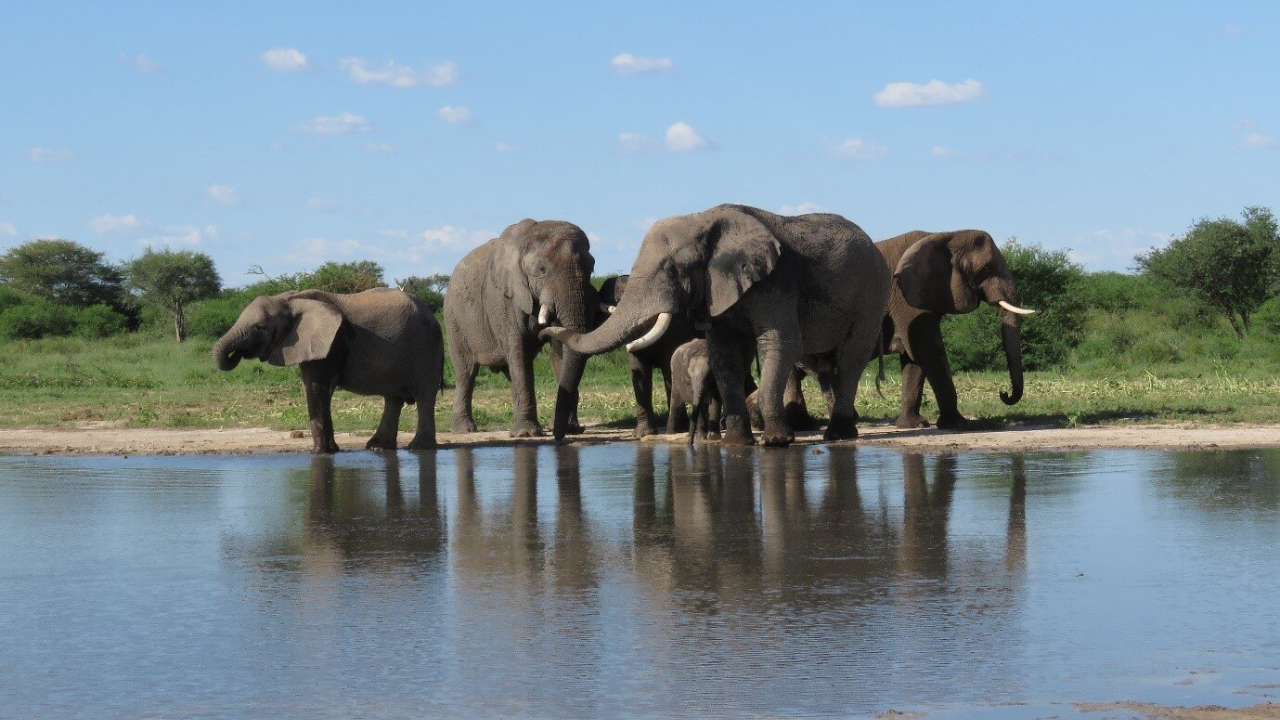
Five years after rescuing 11 captive South African elephants and releasing them into protected reserves, these animals have thrived in the wild, a study published in July 2026 revealed. A research team led by Tenisha Roos and Tamara Eggeling from the Elephant Reintegration Trust of South Africa found that the rewilded elephants' behavior mirrored that of their wild counterparts, with only minor differences based on age and sex.
Researchers monitored the elephants' behavior and stress levels across four fenced reserves in South Africa for three weeks at least once a year. They observed signs of captivity-related stress, such as repetitive self-touching or unusual alertness, but found minimal evidence of these issues in the rewilded elephants. To gauge the elephants' stress levels, the team collected dung samples and analyzed fecal glucocorticoid metabolites (fGCMs), hormones typically used to estimate stress in wild animals.
The study, titled "Investigating the adaptive coping mechanisms of rewilded elephants: A comparison of behavioral and physiological variables with wild elephants," showed that adult males and younger females had slightly lower attentiveness to their surroundings compared to wild elephants. Adult females and younger females also exhibited marginally higher stress hormone levels, but all hormone levels remained within the normal range for healthy wild elephant populations.
Scientists noted that individual elephants showed distinct responses to their new environment, with some linking behavior and hormone levels closely, while others did not. The researchers suggested that each elephant's personality may influence its reaction to new environments and management conditions.
South African captive elephants are typically taken from the wild for tourism, commercial activities, or management purposes, rather than conservation. Currently, around 88 captive elephants reside in 22 facilities across the country. Living in limited spaces with minimal social interaction can lead to abnormal behaviors, such as repetitive pacing, aggression toward handlers, and excessive self-touching. Captivity can also cause lasting physical and psychological effects akin to post-traumatic stress disorder.
Rewilding programs aim to counteract these effects by gradually reducing human involvement, allowing elephants to regain natural behaviors and social structures. The study's findings indicate that rewilded elephants exhibit behavioral and physiological patterns very similar to wild elephants, despite minor variations related to age, sex, and individual elephants.
Elephant Reintegration Trust researcher Tenisha Roos emphasized the remarkable resilience and adaptability of these animals, highlighting their ability to adjust to life in the wild after decades of captivity.
Written by urgent.news from Times of India's reporting — not their text. Machine-written — may contain errors; check the original before relying on it.