Why Is Everyone Trying to Build a Solid-State Battery?
A battery technology that’s getting a lot of attention is solid-state batteries, lithium-ion batteries that replace the liquid electrolyte with a solid material.
Solid-state batteries are a promising new technology that could revolutionize energy storage. Unlike traditional lithium-ion batteries that use a liquid electrolyte, solid-state batteries replace the electrolyte with a solid material. This fundamental shift could lead to a number of advantages.
One key benefit is that a solid electrolyte should allow for lighter batteries, as less mass is needed to transport the same amount of energy. This lighter weight could be particularly valuable for applications like electric vehicles, where weight is a critical factor in performance and efficiency. Additionally, the elimination of a flammable liquid electrolyte could make solid-state batteries safer, reducing the risk of fire and other hazards.
The allure of solid-state batteries is evident, with major players like CATL, BYD, LG, and Samsung all dedicating significant resources to research and development. In 2024, the Chinese manufacturer CATL alone had over 1,000 employees focused on solid-state battery research. As of 2025, battery manufacturers collectively had raised more than $4 billion in funding for solid-state battery projects. This clear investment demonstrates the potential payoff and the industry's confidence in this emerging technology.
To understand the advantages of solid-state batteries, it's helpful to first grasp the basics of how batteries work. All batteries supply energy through chemical reactions, where electrons move from a higher potential energy state to a lower one. This conversion of potential energy into other forms, such as electrical or thermal energy, is fundamental to how batteries operate.
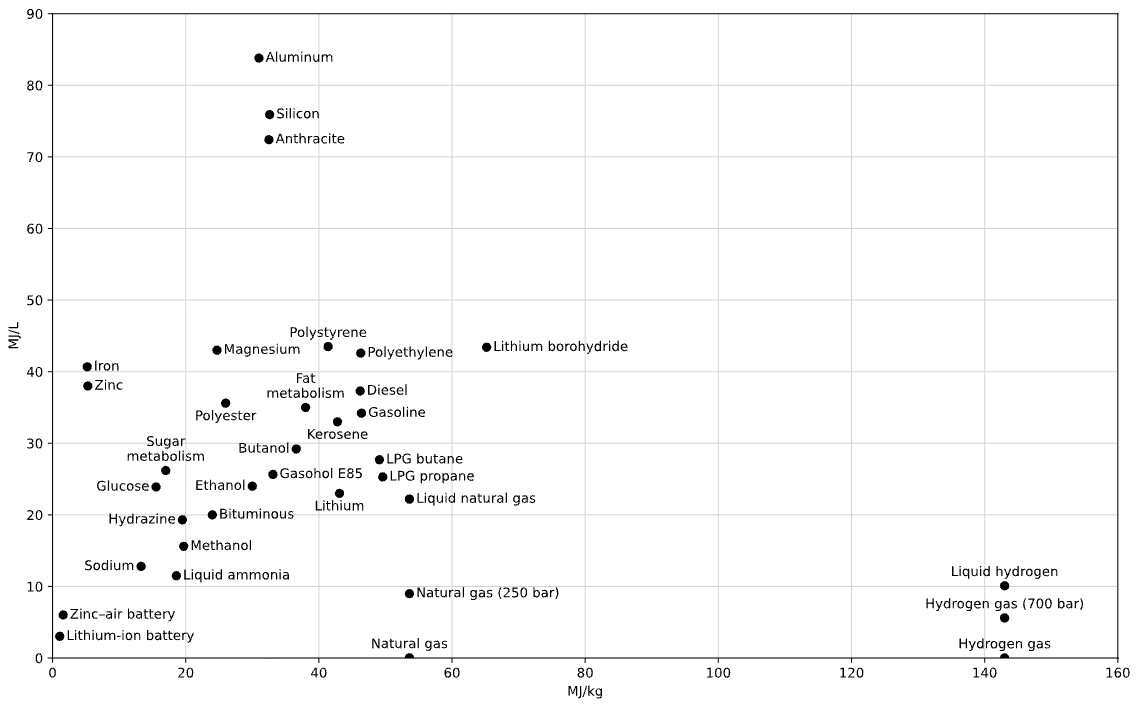
In lithium-ion batteries, lithium ions move from the anode to the cathode during discharge, generating electrical current in the process. The lithium's large atomic size and the significant energy release per unit mass make lithium an ideal choice for battery applications, though the energy density of lithium-ion batteries is still lower than that of gasoline per unit mass.
Written by urgent.news from Construction Physics's reporting — not their text. Machine-written — may contain errors; check the original before relying on it.