Treasures from Ancient Egypt’s ‘Golden City’, and the stories of the people who made them, revealed in San Francisco show
Twenty artefacts from Pharaoh Amenhotep III's abandoned city, discovered on Luxor’s west bank in 2021, are part of the exhibition at the de Young Museum
The Treasures of the Pharaohs exhibition, curated by former Egyptian Museum director Tarek El Awady, has arrived in San Francisco this summer. This touring show showcases over 100 objects from the Egyptian and Luxor Museums, spanning a period of 3,000 years in the region’s history. Among the highlights are 20 artefacts from the Golden City, a remarkably well-preserved community dating from the 14th century BC, discovered in 2021 on Luxor’s west bank.
Renée Dreyfus, the San Francisco curator, emphasizes the significance of the Golden City, describing it as a city of workmen, homes, and an administrative centre that offers a unique glimpse into the daily lives of ordinary people during the reign of Amenhotep III, who ruled between around 1390BC and 1352BC. Amenhotep III, believed to be King Tut’s grandfather, presided over a prosperous age of wealth and stability that led to the flourishing of artistic and architectural endeavours.
The Golden City’s sudden abandonment after Amenhotep III’s son Akhenaten rejected the prevailing polytheistic tradition in favor of the sun god Aten and moved the capital to Amarna, draws comparisons with Pompeii for its insight into daily life and its appearance of being frozen in time. Among the artefacts on display is an Old Kingdom statue of the Triad of Mycerinus, depicting pharaoh Menkaure, the goddess Hathor, and the god of the province of Theban Nome, which Dreyfus chose as the show’s opening piece.
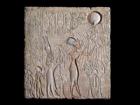
This object, along with a limestone carving of Akhenaten and his family worshipping Aten, highlights the sudden change in religion and offers a rare insight into the lives of the ordinary people who worked for and served the pharaoh.
Written by urgent.news from The Art Newspaper's reporting — not their text. Machine-written — may contain errors; check the original before relying on it.