Family of donor who helped establish Canadian Museum for Human Rights to pause support over Palestine exhibit
The Asper family’s foundation last donated to the museum in 2023, and Gail Asper says she has indefinitely paused a personal gift of C$50,000 over a display about the violent displacement of Palestinians
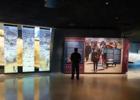
Gail Asper, whose father Izzy Asper played a pivotal role in establishing the Canadian Museum for Human Rights (CMHR) in Winnipeg, has decided to halt her family's financial support for the institution due to her concerns about an upcoming exhibition titled "Palestine Uprooted: Nakba Past and Present." Asper, a trustee of the Asper Foundation, voiced her dissatisfaction during a CBC Radio interview, expressing complicated emotions towards the museum.
Her main issue lies with the exhibition's perceived lack of context regarding the forced displacement of Palestinians during the creation of Israel. Specifically, the absence of information about the Palestinian rejection of a state offered in the UN's 1947 partition plan, as well as the omission of the displacement of Jews in Arab lands, has left Asper feeling betrayed by the curators and leadership of the museum.
The Asper Foundation, which has contributed over C$23 million ($16.3 million) towards the museum's construction and another C$1.4 million ($1 million) to its fundraising efforts, has indefinitely paused a C$50,000 ($35,500) donation to the museum's Holocaust exhibit expansion. A CMHR spokesperson confirmed that the museum has not received funding from the Asper Foundation since 2023 and that the withdrawal of funds will not impact the current exhibits or programming.
Despite the controversy surrounding the exhibition, the CMHR maintains that it aims to foster thoughtful reflection and dialogue about human rights, including Palestinian Canadian experiences. The spokesperson also emphasized the museum's commitment to combating antisemitism and expanding its Holocaust and antisemitism education and programming.
Written by urgent.news from The Art Newspaper's reporting — not their text. Machine-written — may contain errors; check the original before relying on it.