Why US-led alliance might struggle to rein in Beijing’s growing 6G influence
As the United States builds a 6G alliance with more than 20 countries across Europe and Asia, analysts say Washington’s efforts to counter Beijing’s growing influence in the next-generation technology face short-term challenges. The alliance, involving 24 countries including the United Kingdom, Germany and Japan, aims to coordinate their governments’ 6G strategies, share technical resources and…
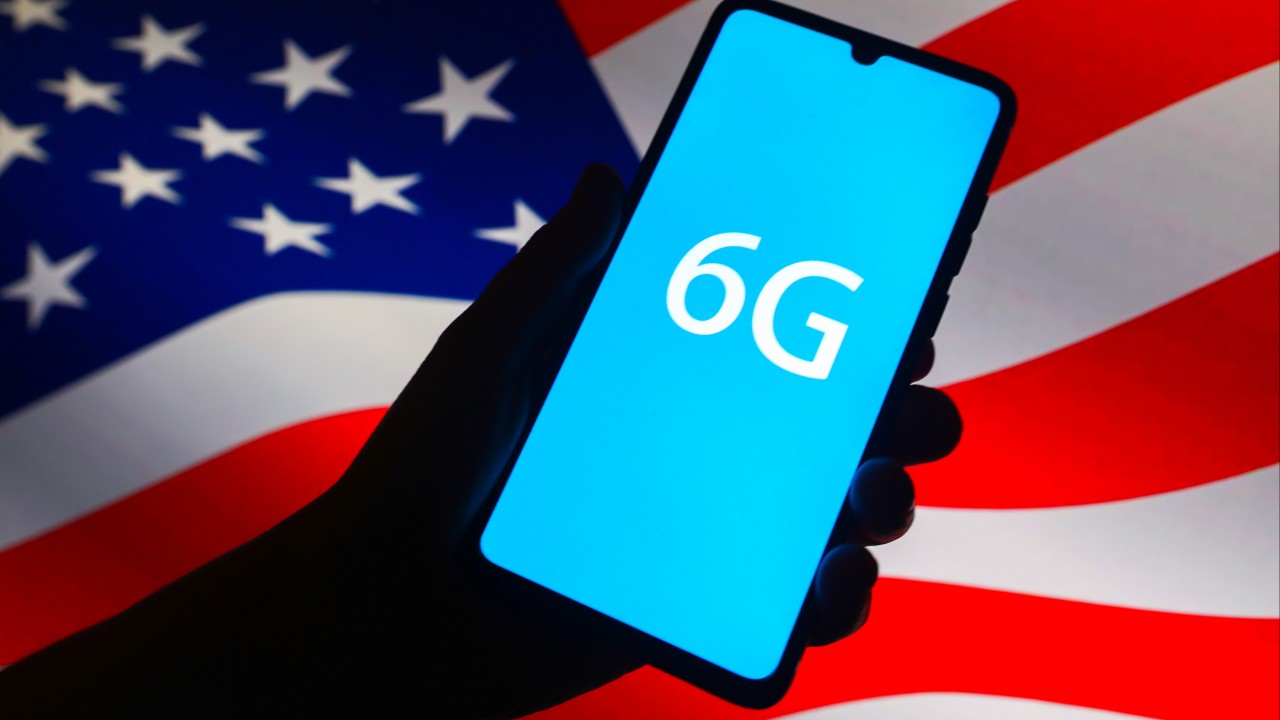
The United States has launched a 6G alliance with over 20 countries in Europe and Asia, aiming to counter Beijing's increasing influence in next-generation technology. This coalition, involving nations including the UK, Germany, and Japan, seeks to coordinate 6G strategies, share technical resources, and prepare for commercial deployment anticipated in the 2030s.
The US National Telecommunications and Information Administration described the initiative as an effort to "secure leadership in the next generation of global communications."
Unlike earlier mobile network generations focused on speed, 6G integrates AI, sensing, and computing, enabling applications like autonomous systems and humanoid robots. The US Department of Commerce's initiative aims to build an alternative ecosystem across four areas—technology, standards, industry, and geopolitics—to limit China's role.
Shan Guangcun, a professor at the University of Chinese Academy of Sciences, stated that the US seeks greater influence over 6G standards-setting and aims to shape the rules of the race for next-generation technology.
However, Shan cautioned that the alliance's impact might be limited due to China's position as the world's largest telecoms market, vast real-world applications, and early trials. China has already established a significant pipeline of over 300 key 6G technologies, while the US road map remains less defined. The World Radiocommunication Conferences (WRC), held annually, will be crucial in determining the alliance's success, as membership must follow through with concrete decisions in spectrum allocation, industrial policy, R&D investment, and private-sector collaboration.
While the alliance could strengthen coordination among leading innovators, China maintains advantages in manufacturing scale, rapid domestic 5G deployment, and leading patents in early 6G technologies. China holds 40.3% of global 6G-related patents, compared to the US's 35.2%. Huawei and ZTE, Chinese telecom giants, have been involved in China's 5G rollout and now contribute to early 6G research, facing US restrictions throughout Trump's presidency.
Written by urgent.news from SCMP Tech's reporting — not their text. Machine-written — may contain errors; check the original before relying on it.