Largest Favela in Niterói, Morro do Preventório, Launches Popular Mapping Initiative to Support Upgrading Policies
Clique aqui para Português Morro do Preventório and Grassroots Mapping Held on July 6, the Grassroots Mapping Meeting on Data, Maps and Cartographies brought together 20 people at the Peripheral Research Station in Morro do [...]
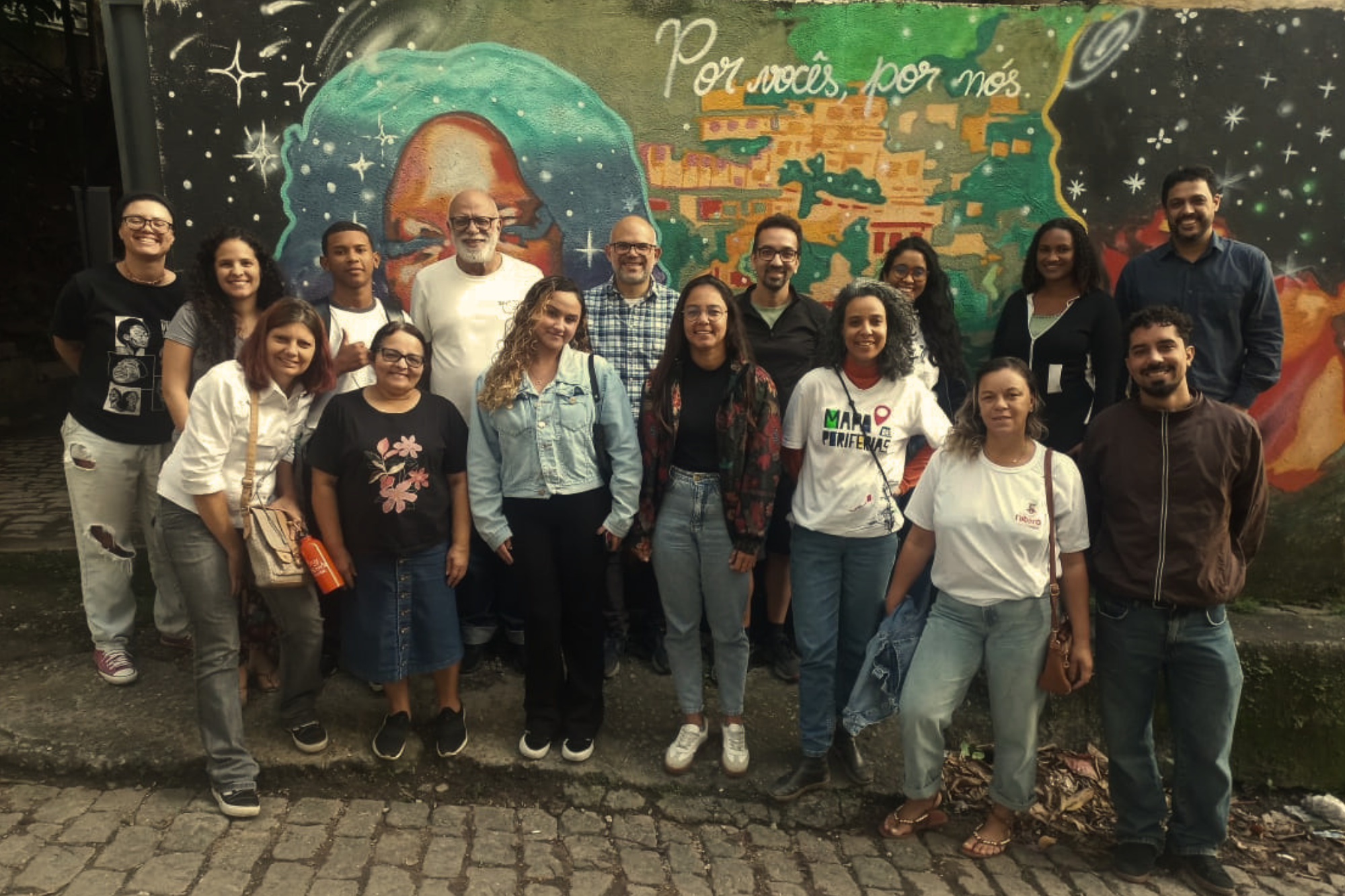
On July 6, a grassroots mapping meeting convened at the Peripheral Research Station in Morro do Preventório, a favela in Niterói, Rio de Janeiro, bringing together 20 individuals, including community leaders and residents, for a training workshop focused on the significance of grassroots mapping for climate adaptation. Niterói's largest favela, Morro do Preventório, is home to over 5,000 residents, a community with roots dating back to the 19th century when the imperial government established a quarantine facility for contagious diseases.
Community mapping, a process in which residents document their surroundings and identify their strengths and vulnerabilities, fosters autonomy, deepens understanding, and promotes the sharing of local knowledge, offering a tool for social change and addressing the lack of data on favelas. The July meeting marked the beginning of the Participatory Research for Climate and Health Analysis in Favelas and Urban Communities (PACHA) project, a collaboration between community organizations, Brazilian and UK universities, and local and national government bodies.
The project's mapping work, a form of citizen-generated data (CGD), aims to understand how climate change impacts favela residents, identify factors determining climate vulnerability, and develop participatory data production methods to inform climate adaptation policies. The initial mapping efforts will focus on Morro do Preventório and Jurujuba, with findings expected by October.
The project, expected to run for three years, aims to expand nationwide, with the Nós no Mapa tool becoming a publicly available resource in October.
Written by urgent.news from RioOnWatch's reporting — not their text. Machine-written — may contain errors; check the original before relying on it.