Betye Saar, assemblage artist who reframed racist and sexist imagery, has died, aged 99
The legendary Los Angeles artist reframed charged images and objects, embraced printmaking and developed elaborate, transporting installations
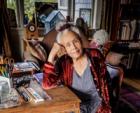
Betye Saar, the pioneering Los Angeles artist renowned for her sculptural assemblages that delved into spirituality, mysticism, African American heritage and the Black female experience, passed away on Sunday, 26 July at the age of 99, just days shy of her 100th birthday. Saar's family revealed that she had peacefully succumbed to natural causes while in her sleep at home, surrounded by loved ones.
Though her centenary had passed, they expressed gratitude that she had managed to reach 99.9% of the way. Her family affirmed that they eagerly anticipate celebrating her spirit and achievements at a later date.
Born Betye Irene Brown in Los Angeles in 1926, Saar was the eldest of five children raised in a middle-class family with strong matriarchal influences. Her grandmother, great-aunt and mother all demonstrated resilience in the face of loss and hardship, inspiring Saar's own dedication to preserving personal history and memories through cherished objects and her innate talent for handmade crafts.
A youthful fascination with the unknown further fueled her imagination. A pivotal early experience occurred during visits to her paternal grandmother's home in the Watts neighborhood, where she was captivated by the sculptural towers constructed by artist Simon Rodia. These enigmatic structures ignited Saar's creative spirit.
Despite her privileged background, Saar encountered racial segregation and discrimination during her formative years. Social clubs at Pasadena City College and the prestigious Chouinard Art Institute were segregated, denying opportunities to minorities. Undeterred, Saar pursued design classes at Pasadena City College and eventually received a scholarship for minority students to attend UCLA, graduating in 1949.
Segregation persisted in Los Angeles, limiting artistic opportunities for minorities. However, Saar remained undeterred and soon established an enamel painting business with jewelry designer Curtis Tann, which was featured in Ebony magazine in 1951.
Saar forged connections with a burgeoning artistic community in Pasadena, including William Pajaud, through local fairs and informal art shows held in private homes. This period marked a turning point in her career, as she began interacting with fellow artists and integrating into an artistic circle. In 1952, Saar married ceramicist Richard Saar and gave birth to three daughters, Lezley, Alison and Tracye, all of whom would grow up to be artists.
She continued her education, studying printmaking at California State University, Long Beach, and the University of Southern California, Los Angeles, and became particularly intrigued by the printmaking process.
A Joseph Cornell retrospective at the Pasadena Art Museum in 1967 inspired Saar to create her own sculptural installations, combining found objects with her paintings, drawings and prints. Her breakout piece from this period, Black Girl's Window (1969), incorporated mystical symbols above a self-portrait with hands raised as if pressed against window glass.
This work conveyed autobiographical elements, reflecting the impact of the Watts Riots and her personal divorce. The Black art scene in Los Angeles flourished over the subsequent decade, with the arrival of veteran Chicago artist Charles White and emerging artists like David Hammons. A trip to Chicago with fellow Los Angeles artists for the National Conference of Artists in 1970 exposed Saar to the work of African artists and the cultural traditions of collective memory and power.
This exposure profoundly influenced Saar's artistic practice, as she drew inspiration from historic African garments, such as a robe of an African chief made of burlap and knotted hairs.
Written by urgent.news from The Art Newspaper's reporting — not their text. Machine-written — may contain errors; check the original before relying on it.