Why NIST Researchers Spent 10 Years Measuring Gravity
Physicists have been trying to measure the fundamental gravitation al constant for well over two centuries. The current accepted value of big G , as it’s known, is 6.67430 × 10 -11 cubic meters per kilogram per square second. It also has an uncertainty of ±0.00015 × 10 -11 m 3 /(kg s 2 ). As far as constants of the universe go, that’s very uncertain. Stephan Schlamminger Schlamminger is a…
For over two centuries, physicists have endeavored to measure the gravitational constant, symbolized as 'big G'. This constant, denoted as 6.67430 × 10^-11 cubic meters per kilogram per square second, carries an uncertainty of ±0.00015 × 10^-11 m^3/(kg s^2). Despite its importance, the value remains remarkably uncertain.
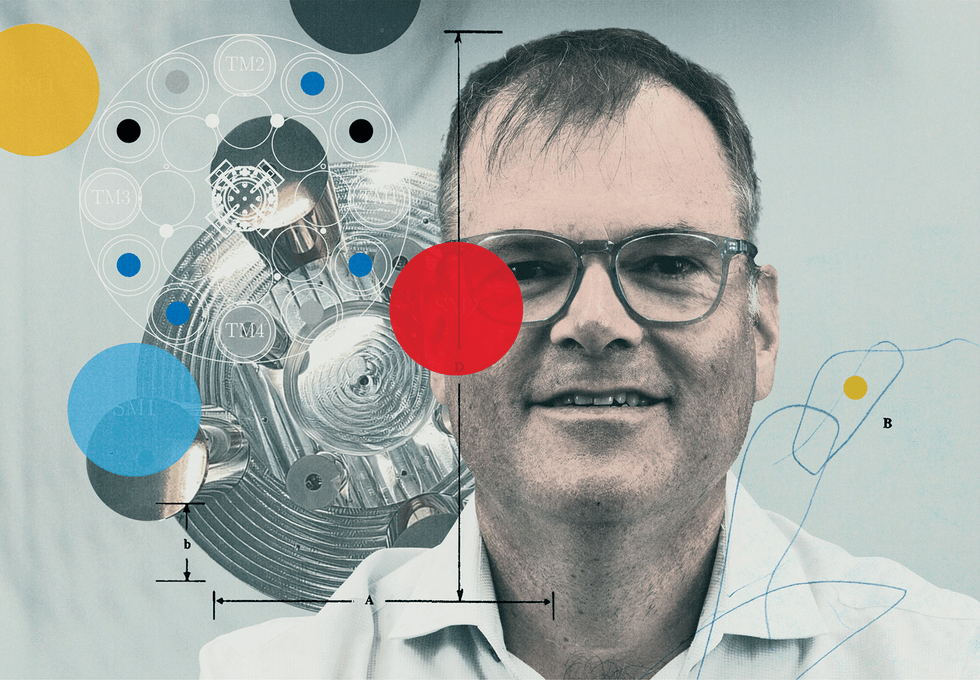
Stephan Schlamminger, a physicist at the U.S. National Institute of Standards and Technology (NIST), recently concluded a 10-year endeavor to replicate an earlier measurement of big G conducted by the International Bureau of Weights and Measures (BIPM) in Paris. Schlamminger discussed the challenges and intricacies of this extensive project with IEEE Spectrum.
Gravity, explains Schlamminger, is a remarkably weak force. While it's easy to feel the pull of a fridge magnet, detecting the gravitational attraction between two coffee cups proves challenging. Nevertheless, this minuscule force is precisely what Schlamminger aimed to measure.
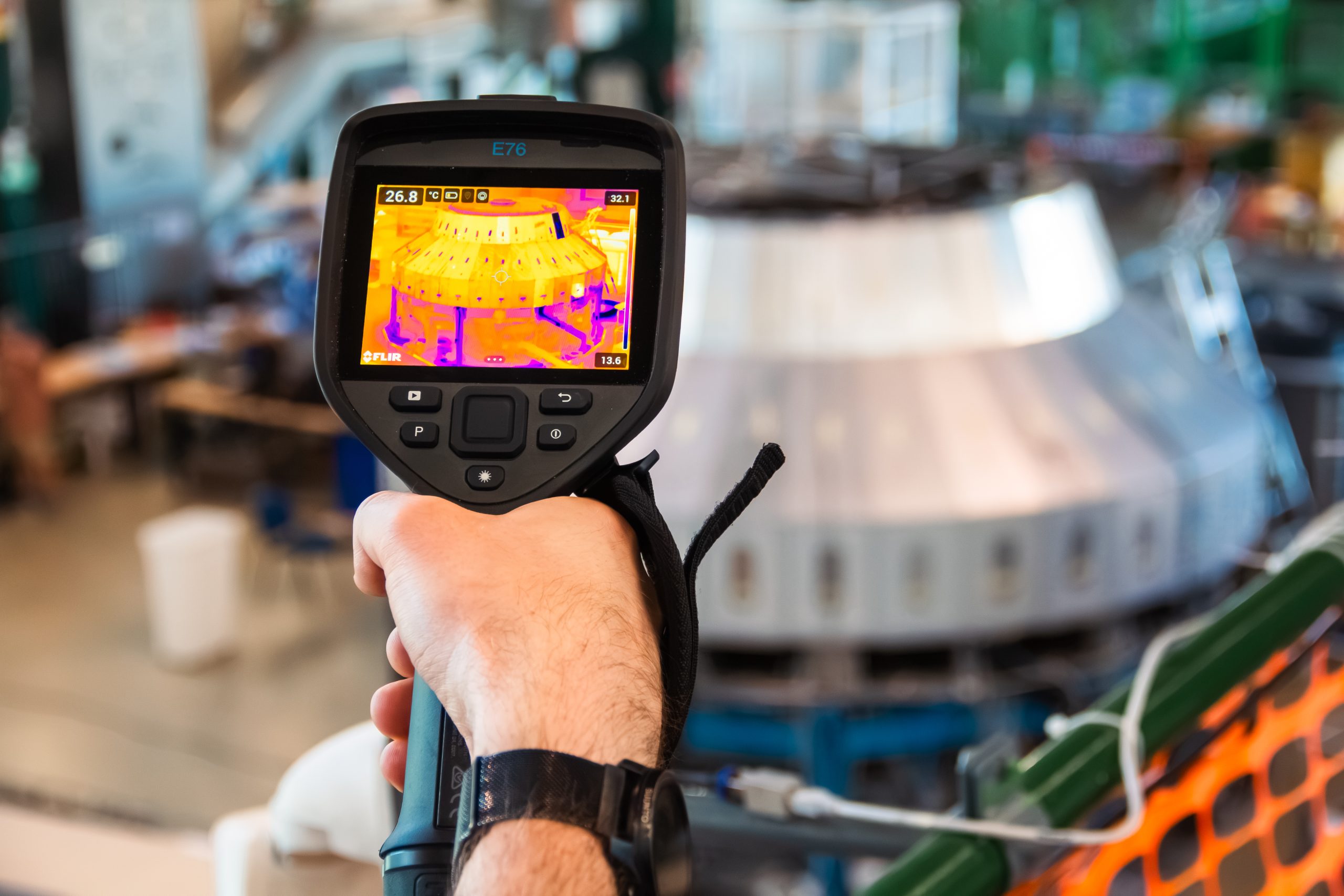
The NIST researchers employed a torsion balance, a device designed to isolate horizontal gravitational forces from vertical ones. The torsion balance consists of a thin strip, four cylinders arranged in a plus sign, all housed in a vacuum, and surrounded by four larger cylinders. By gently displacing the outer masses, the torsion strip rotates, enabling the measurement of the gravitational torque.
The motivation behind replicating the BIPM's value was to clarify the inconsistencies that have plagued previous measurements. Schlamminger acknowledged that the discrepancies between various results, including their own, have left the scientific community in a quandary. Their 10-year endeavor, however, did not yield a definitive answer to this question.
Schlamminger reflected on the ten-year span, likening it to "herding cats" due to the myriad challenges involved. Measuring the gravitational constant demanded meticulous tracking of every mass, their positioning, size, and weight. Despite their efforts, Schlamminger's result is slightly lower than the standard accepted literature value. This discrepancy may prompt a reassessment of the BIPM's value, but ultimately, the determination of a new mean value will require independent scrutiny.
Written by urgent.news from IEEE Spectrum's reporting — not their text. Machine-written — may contain errors; check the original before relying on it.