Research updates, July 28
A new study found persistent neuromuscular abnormalities in Long COVID. The small follow-up study, published in Neurophysiologie Clinique, included 50 people with Long COVID who underwent two types of electromyography tests, which can provide objective measures of muscle function. The post Research updates, July 28 first appeared on The Sick Times .
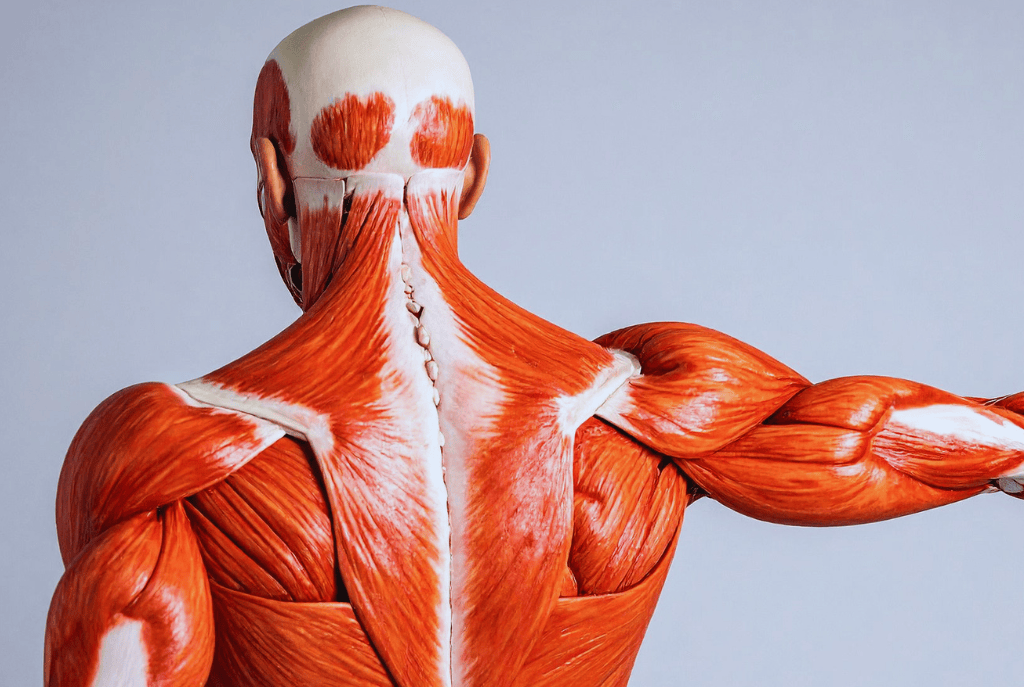
A new study published in Neurophysiologie Clinique has found persistent neuromuscular abnormalities in Long COVID patients. The Danish researchers conducted electromyography tests on 50 individuals who had experienced Long COVID symptoms for more than a year. They discovered that 60% of the participants had abnormal results in one or both of the tests, suggesting ongoing neuromuscular dysfunction. However, the study's limitation was its selection bias, preventing the generalization of results.
Taking Paxlovid during acute COVID-19 may lower the risk of Long COVID, as revealed by a small trial conducted by Norwegian researchers. The study, published in The Lancet Infectious Diseases, included 144 participants who took the antiviral or a placebo. The risk of Long COVID symptoms at three months was found to be 40% lower for the Paxlovid group compared to the placebo group.
However, the researchers cautioned that the findings should be interpreted with caution due to the small sample size and early termination of the trial.
A controversial trial for the "Lightning Process" aimed at treating Long COVID has been announced by researchers at McMaster University in Ontario, Canada. This "mind body intervention" has a history of failing in trials for similar diseases and has caused harm to some individuals with Long COVID and myalgic encephalomyelitis (ME).
The study aims to recruit 100 participants, with the primary outcome measure being the subjective Checklist Individual Strength (CIS-Fatigue) survey, which has been criticized for overestimating improvements.
Written by urgent.news from The Sick Times's reporting — not their text. Machine-written — may contain errors; check the original before relying on it.