How kidneys rebuild their defenses after injury
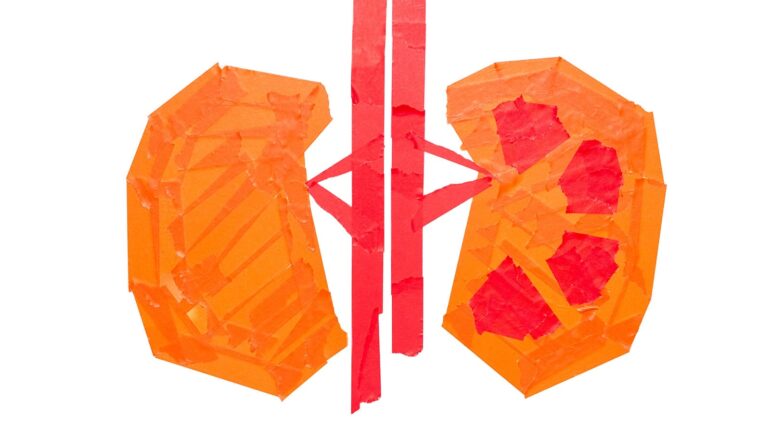
A recent study conducted by researchers at Tulane University has uncovered how kidneys rebuild their immune defenses following injury. The body's kidneys are responsible for filtering approximately 50 gallons of blood daily, regulating blood pressure, maintaining fluid balance and performing other essential functions. However, when these vital organs suffer damage due to illness, injury, or other factors, a specific group of immune cells known as kidney-resident macrophages play a crucial role in determining whether recovery occurs or if lasting damage ensues.
Acute kidney injury is a frequent complication that arises from severe infections, surgery, trauma, dehydration, or reduced blood flow to the kidneys, affecting around one in every five hospitalized adults. Even when patients recover from the initial injury, incomplete healing may elevate the risk of chronic kidney disease. In a groundbreaking study led by Xuebin Qin, a professor of microbiology and immunology at Tulane National Biomedical Research Center, scientists have gained fresh insights into how these immune cells restore themselves after being depleted, paving the way for future treatments targeting kidney disease.
The investigation focused on kidney-resident macrophages, which are the kidney's initial line of defense. In healthy kidneys, these cells eliminate dead tissue, monitor for infection, and facilitate healing after an injury. Prior to this research, scientists had limited understanding of how this system is restored once these macrophages are lost.
Employing a specialized mouse model and single-cell RNA sequencing techniques, Qin and his team monitored individual immune cells as they returned to the kidney over time. The researchers discovered that the kidney's protective cells, called epithelial cells, rapidly begin producing chemical signals that attract new macrophages.
As these cells make their way back, they transition from an early inflammatory state to cells that promote tissue repair. Throughout the entire process, macrophages and the surrounding kidney cells continuously exchange signals, which collectively aid in restoring a healthy immune environment. Qin emphasizes the importance of understanding how the kidney naturally rebuilds its immune system after injury, as this knowledge could lead to the development of therapies designed to enhance recovery and minimize long-term kidney damage.
The study also expands upon earlier work from Qin's lab, which helped define the origins and diversity of macrophages residing in the kidneys. By offering a more detailed picture of how these specialized immune cells maintain kidney health before, during, and after injury, the research contributes to a growing body of knowledge in this critical area. The study was funded by the National Institutes of Health.
Written by urgent.news from Futurity's reporting — not their text. Machine-written — may contain errors; check the original before relying on it.