An Extreme Solar Storm May Be Even More Devastating Than Previously Imagined
Scientists have long assumed that there’s an upper limit to the intensity of the solar winds that reach Earth. New research suggests there’s not—and the implications are alarming.
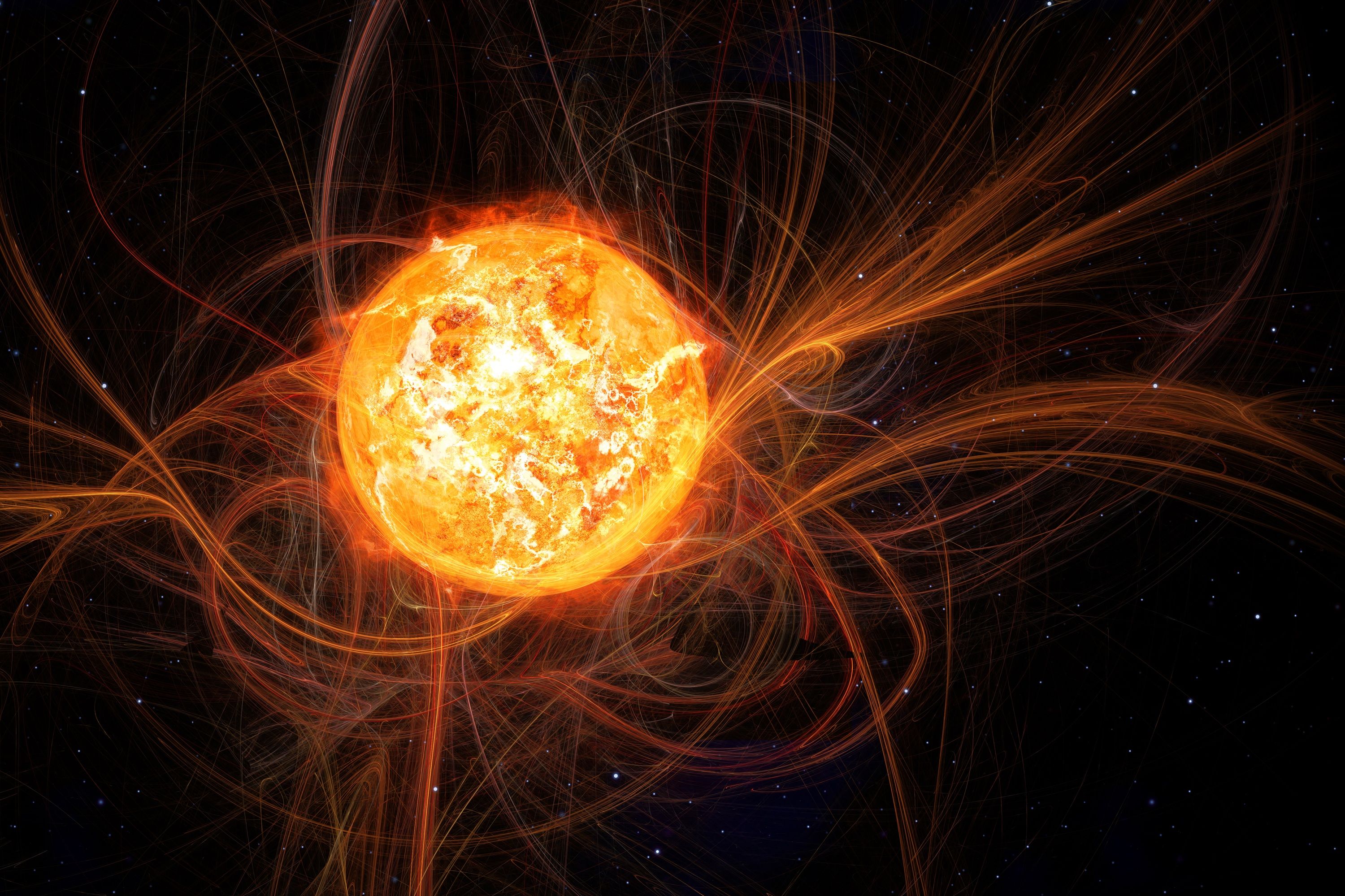
Solar storms, caused by the interaction of the solar wind with Earth's magnetosphere, have historically led to significant disruptions. In the Carrington Event, telegraph communications failed across half the globe and auroras were seen as far south as Cuba. Today, strong solar storms can affect satellites, communication systems, and GPS signals.
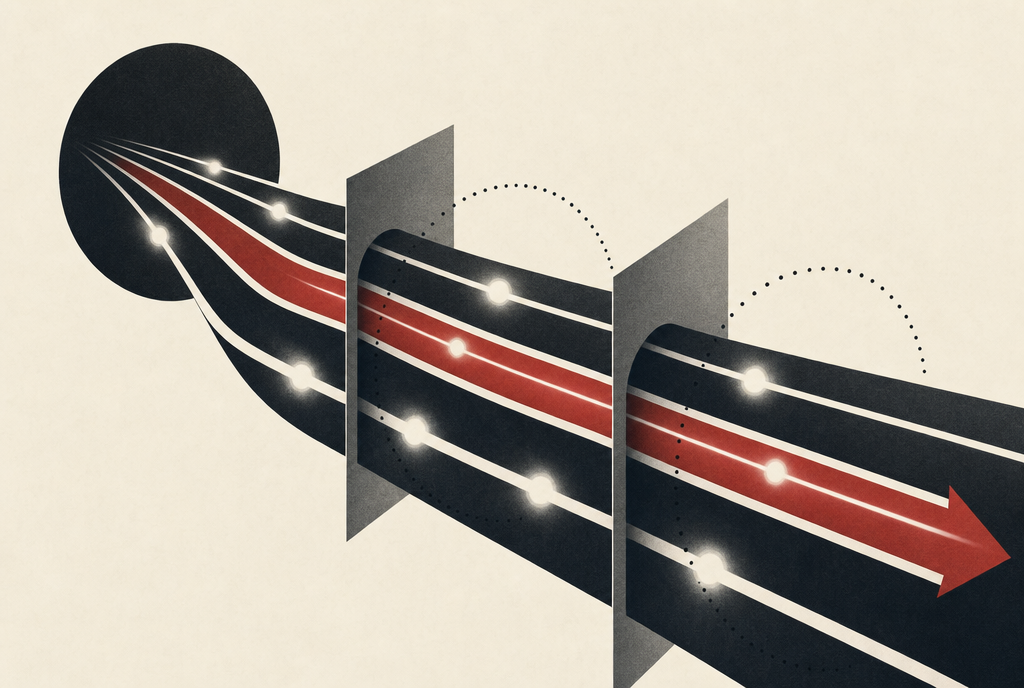
Researchers at Lancaster University have found that traditional models predicting the intensity of Earth's response to solar wind may be inaccurate. They discovered that extreme solar wind measurements taken at the L1 Lagrange point, about 1.5 million kilometers from Earth, do not directly correspond to the intensity when the solar wind interacts with Earth's magnetosphere.
This discrepancy introduces a bias in the data analysis, potentially making the magnetosphere appear less responsive to extreme solar wind intensities. By incorporating uncertainties into their statistical model, the researchers suggest that Earth's response to solar wind may not have a natural limit and could be even more intense during catastrophic events, such as the Carrington Event.
They estimate that the geomagnetic impact could be approximately twice as strong as current models predict for the most extreme cases. While acknowledging the limited data available for the most extreme events, the study concludes that traditional models may be underestimating the potential severity of extreme solar storms, emphasizing the need for vigilance in space weather forecasting.
Written by urgent.news from Wired Science's reporting — not their text. Machine-written — may contain errors; check the original before relying on it.