Reprogramming of host energy metabolism mediated by the TNF-iNOS-HIF-1α axis plays a key role in host resistance to <i>Plasmodium</i> infection
TNF has a dual effect in Plasmodium infection, bolstering the host's immune defense while also inducing sickness behavior. Here, we confirm that TNF signaling hampers physical activity, food intake, and energy expenditure while enhancing glucose uptake by the liver and spleen, as well as controlling parasitemia in Plasmodium chabaudi ( Pc )-infected mice. We also report that TNF is required for…
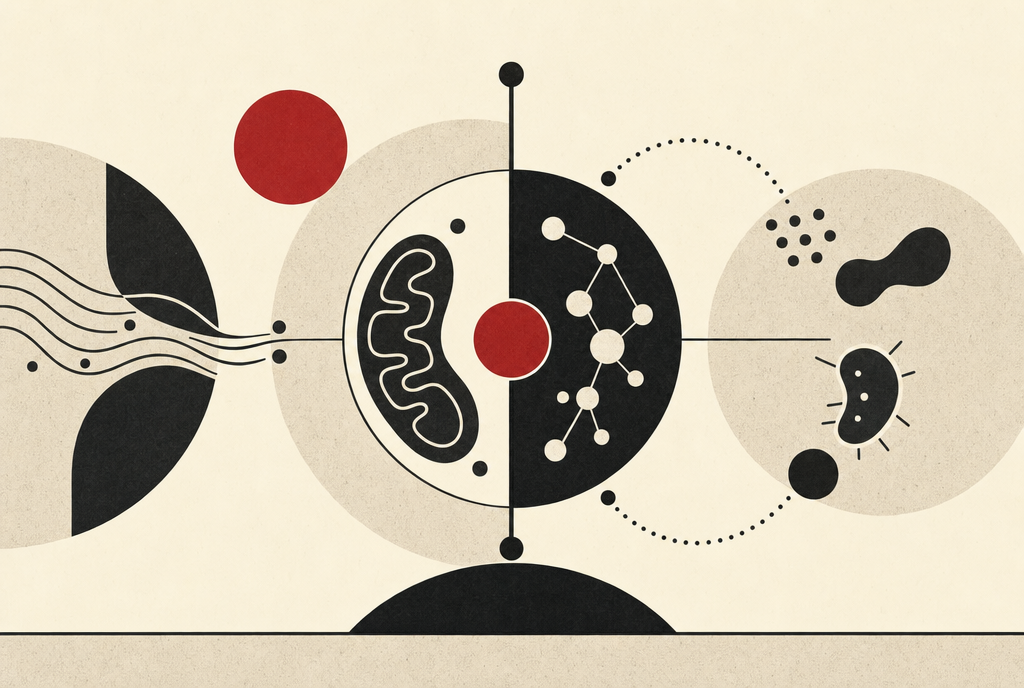
Reprogramming of host energy metabolism, mediated by the TNF-iNOS-HIF-1α axis, plays a crucial role in host resistance to Plasmodium infection. This research confirms that TNF signaling impairs physical activity, food intake, and energy expenditure in infected mice, while simultaneously boosting glucose uptake in the liver and spleen. These effects ultimately control parasitemia in Plasmodium chabaudi-infected mice.
Furthermore, the study reveals that TNF is essential for the expression of inducible nitric oxide synthase (iNOS), stabilization of hypoxia-inducible factor 1α (HIF-1α), and the expression of glucose transporter GLUT1 in monocytic cells from Plasmodium chabaudi-infected mice. Enhanced glycolysis in these cells further contributes to improved glycolysis and increased parasitemia control.
Interestingly, the absence of Nos2, TNFR1, and HIF-1α in mice leads to impaired TNF release and glycolysis in monocytes, resulting in heightened parasitemia and disease tolerance. Collectively, these findings highlight the critical role of TNF-iNOS-HIF-1α-induced glycolysis in monocytes for both host defense and sickness behavior during Plasmodium infection.
Written by urgent.news from eLife's reporting — not their text. Machine-written — may contain errors; check the original before relying on it.