It’s Becoming Clear Why Black Holes Never Run Out of Fuel
Black holes eject powerful energy jets that blow away the surrounding gas to great distances. So how can they continue to grow?
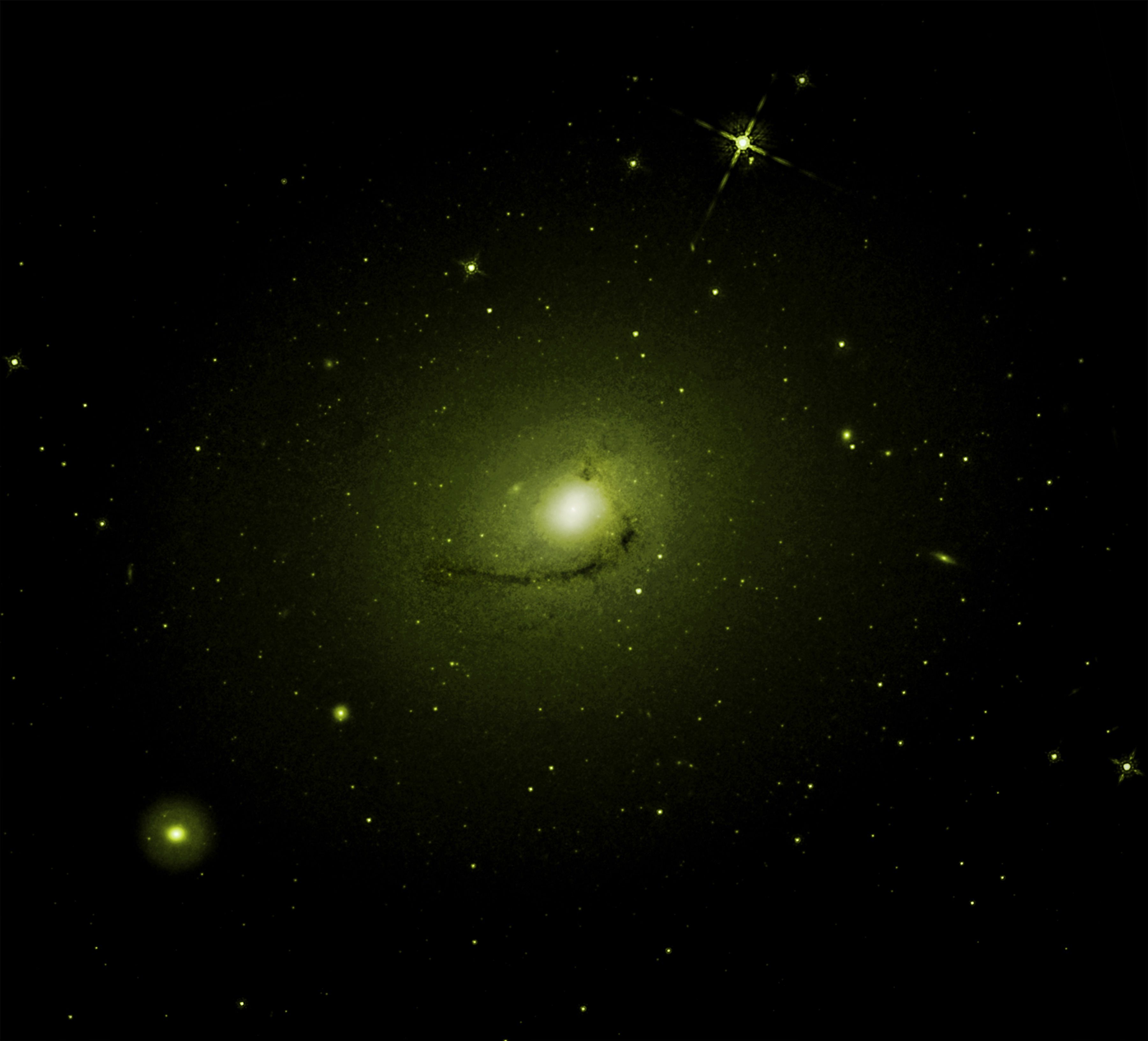
Black holes grow by consuming matter, but they also emit powerful energy jets that heat surrounding gas, delaying star formation. This gas, the black hole's energy source, appears to disappear, yet black holes continue to grow. Researchers proposed that the gas disperses into thin filaments, which fall back toward the black hole, "recycling" the fuel.
Using the James Webb Space Telescope, researchers observed NGC 4696, a galaxy 145 million light-years away, revealing the "Cosmic Recycling System" of heating and cooling. The galaxy's central black hole is surrounded by an S-shaped spiral, a rotating disk of gas orbiting the black hole. Gas from filaments flows into the disk, accumulating and feeding the black hole.
Computer simulations showed that magnetic fields help the gas fall into the disk, preventing it from being scattered away. The disk axis wobbles due to in-falling filaments from various directions, allowing energy jets to heat the galaxy uniformly. In more powerful black hole activity, the gas disk may never form, leaving gas chaotic.
This discovery marks the first in a series of papers based on JWST observations, with future studies analyzing gas at different temperatures. Researchers are now searching for similar cosmic recycling systems in other galaxies.
Written by urgent.news from Wired Science's reporting — not their text. Machine-written — may contain errors; check the original before relying on it.