A New Way That a Cow’s Inner World Shapes Earth’s Atmosphere
An organelle discovered inside a microbe inside a cow’s gut helps explain how livestock burps contribute to warming our planet. The post A New Way That a Cow’s Inner World Shapes Earth’s Atmosphere first appeared on Quanta Magazine
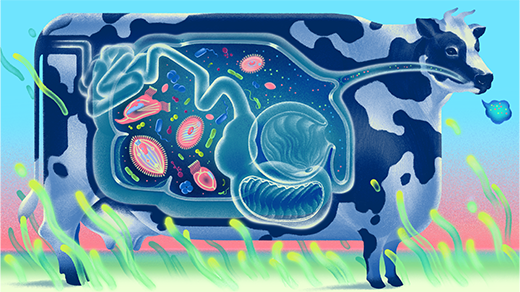
A new study has unveiled an unexpected player in the rumen ecosystem of cows: the hydrogenobody. This membrane-bound organelle is unique to certain ciliates and plays a crucial role in the biochemical process that produces methane, a potent greenhouse gas. Found in the outer cell membrane of ciliates lining the cilia base, hydrogenobodies contain hydrogenases, the enzymes responsible for creating hydrogen gas.
This gas is then metabolized by methanogenic archaea, which convert it into methane. The discovery of hydrogenobodies sheds new light on the intricate mechanisms that lead to methane emissions from ruminant livestock, such as cows. Researchers are now investigating this novel finding to develop strategies for mitigating methane production and curbing climate change.
Written by urgent.news from Quanta Magazine's reporting — not their text. Machine-written — may contain errors; check the original before relying on it.