The quest to keep organs alive outside the body
This week, I covered a fascinating effort to preserve organs outside the body. There’s a huge shortage of donor organs, and one of the main reasons is time—they survive only a matter of hours outside the body, even when they’re kept on ice. Doctors dream of organ banks—stores of human organs that can be preserved…
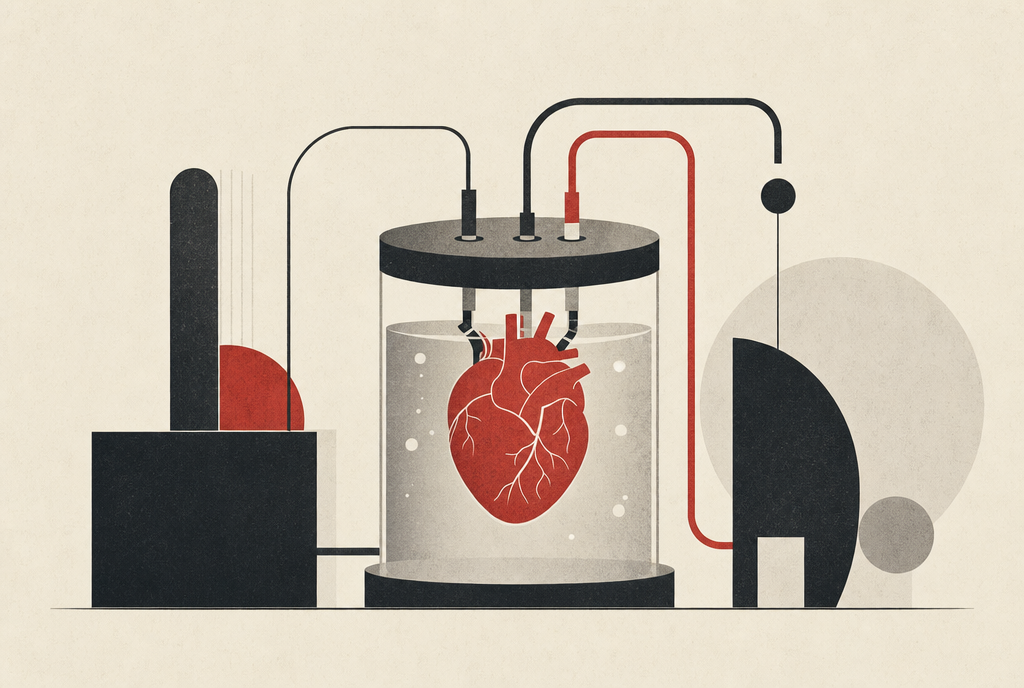
The ongoing challenge of keeping organs viable outside the body has led to a surge in research efforts. With a critical lack of donor organs, scientists have dreamt of establishing organ banks for storing human organs for extended periods. This would facilitate extensive testing, optimal matches, and timely transportation to recipients.
Research has resulted in the supercooling of pig kidneys, preserving them for days, and their eventual reimplantation into pigs. However, freezing organs presents a significant obstacle as ice crystals damage them irreversibly. Thus, researchers are exploring various alternatives. Cryopreservation, which rapidly cools cells to a glass-like state, has been successful for eggs, sperm, and embryos.
Yet, human organ cryopreservation remains a distant dream. Some researchers have stored human brains and bodies in ultra-low temperatures, awaiting a future revival. Meanwhile, Matthew Powell Palm of Texas A&M successfully supercooled pig kidneys and transplanted them without cryoprotectants. Other teams are investigating cryoprotectant cocktails to extend storage times.
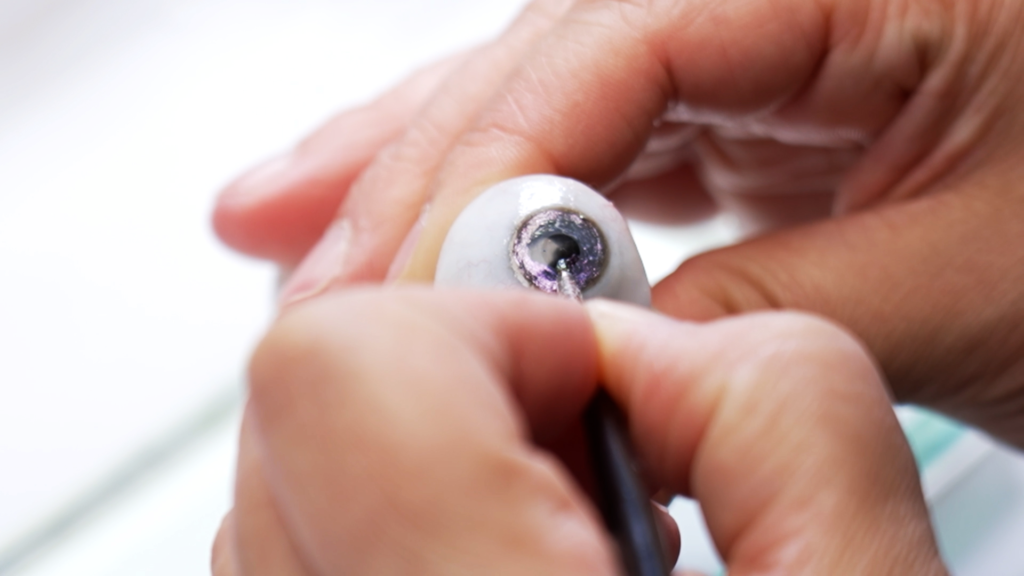
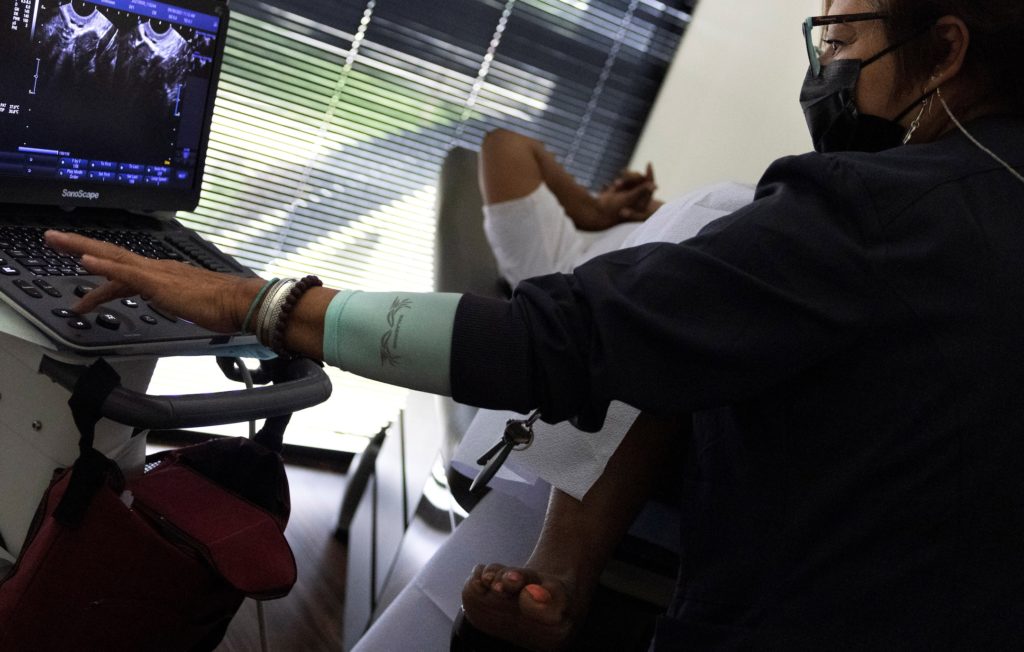
Additionally, machines that perfuse organs with nutrients while mimicking internal body conditions have been developed. These devices, mainly used for liver and kidney preservation, are now being adapted for other organs, including eyes, which could facilitate whole-eye transplants. Scientists in Valencia recently created a perfusion system for uteri, successfully keeping a human uterus alive for a day.
The field of organ preservation is experiencing a renaissance, with further developments expected to be covered by MIT Technology Review in the coming weeks.
Written by urgent.news from MIT Tech Review Biotech's reporting — not their text. Machine-written — may contain errors; check the original before relying on it.