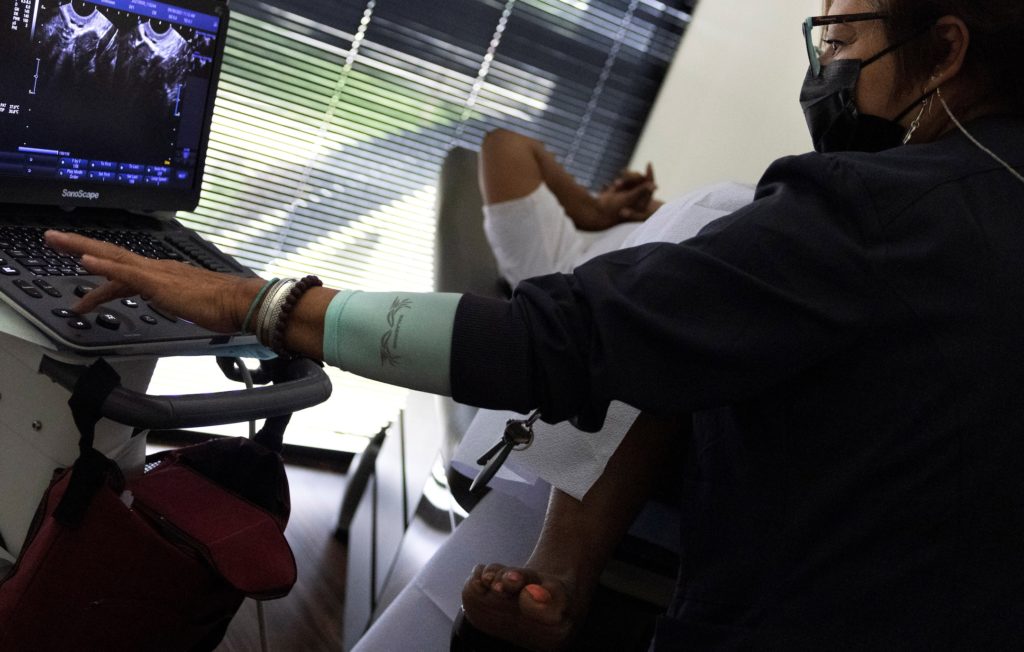
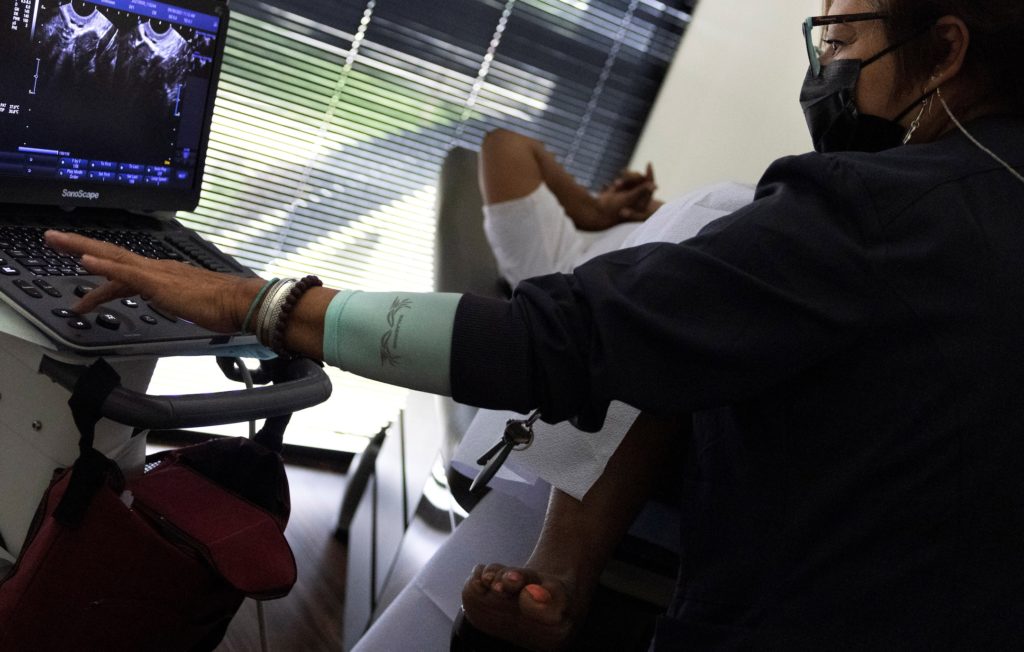
Ocular artistry: Eye prosthetics become canvases for self-expression
Prosthetics designed to blend in as replacements for missing body parts are becoming tools for creative expression. This is especially true in the community of ocular prosthetics, or artificial eyes. Jeffrey Brown meets a Portland eye maker whose designs are helping clients see themselves in a new light. It's for our coverage of the intersection of health and arts, part of our CANVAS series.
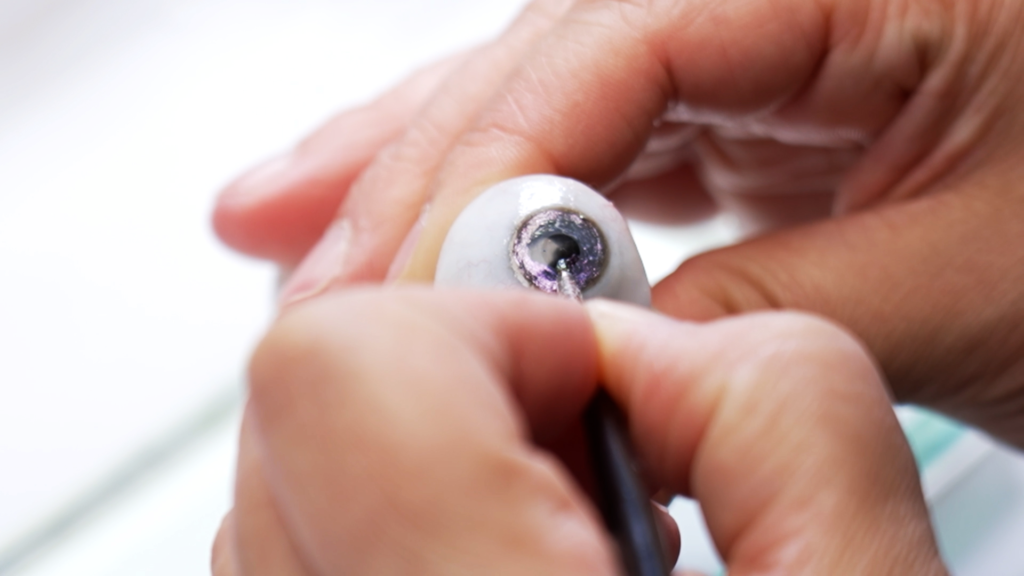
Artificial eyes, once merely designed to blend in with missing body parts, are now becoming canvases for self-expression within the niche community of ocular prosthetics. Ocularist Christina Leitzel, based in Portland, Oregon, specializes in creating unique and artistic prosthetic eyes that help her clients see themselves in a new light.
Rachel Yee, a 36-year-old prosthetic eye wearer who lost her left eye to cancer at 18 months old, uses her artificial eyes to accessorize and express her individuality. She eagerly anticipates trying on her first gold-colored eye, which she describes as a way to "stand out" rather than merely hide her prosthetic.
In Leitzel's Portland office, nearly every corner is adorned with decorative eyes. Leitzel, a board-certified ocularist, crafts these distinctive eyes by combining a custom acrylic shell with a surgically implanted sphere that mimics the natural eye's volume. While most prosthetic eyes closely resemble the real thing, Leitzel's "fun eyes" are where her artistic flair truly shines.
These creations range from cat eyes commemorating lost pets to portraits of deceased loved ones, offering clients a tangible way to keep their memories close.
Social media showcases Leitzel's creations, which range from glittery glow-in-the-dark and color-shifting eyes to American flags, sparkling night skies, and soccer balls. This personalized approach fosters a deep, personal connection between Leitzel and her clients, many of whom confide in her about their struggles. For some, the loss of an eye has been a traumatic experience, leaving them feeling disconnected and uncanny in their reflection.
An ocularist becomes an essential confidant, someone who understands the emotional journey and provides support through this transformative process.
Dan Roche, a professor and author of "Eyes by Hand: Prosthetics of Art and Healing," highlights the therapeutic relationship between clients and ocularists. Roche himself wears a prosthetic eye, and his book explores the long history of artificial eyes, from ancient Egyptian mummies to modern creations. Roche's own experience with a prosthetic eye underscores the profound impact these artificial eyes can have on a person's self-image and emotional well-being.
Written by urgent.news from PBS NewsHour Science's reporting — not their text. Machine-written — may contain errors; check the original before relying on it.