Sewage runoff during monsoons turn urban rivers into hotspots for breeding superbugs, says new study
Research Matters Staff Writer(s) Roorkee 24 Jul 2026 Monsoon rains in India, the life-giving force for agriculture and a relief from the summer heat, are having an unforeseen and dangerous impact on the country's urban waterways. New research has shown that intense seasonal rainfall is triggering a massive surge in antibiotic resistance genes within city rivers. The deluge is turning these waters…
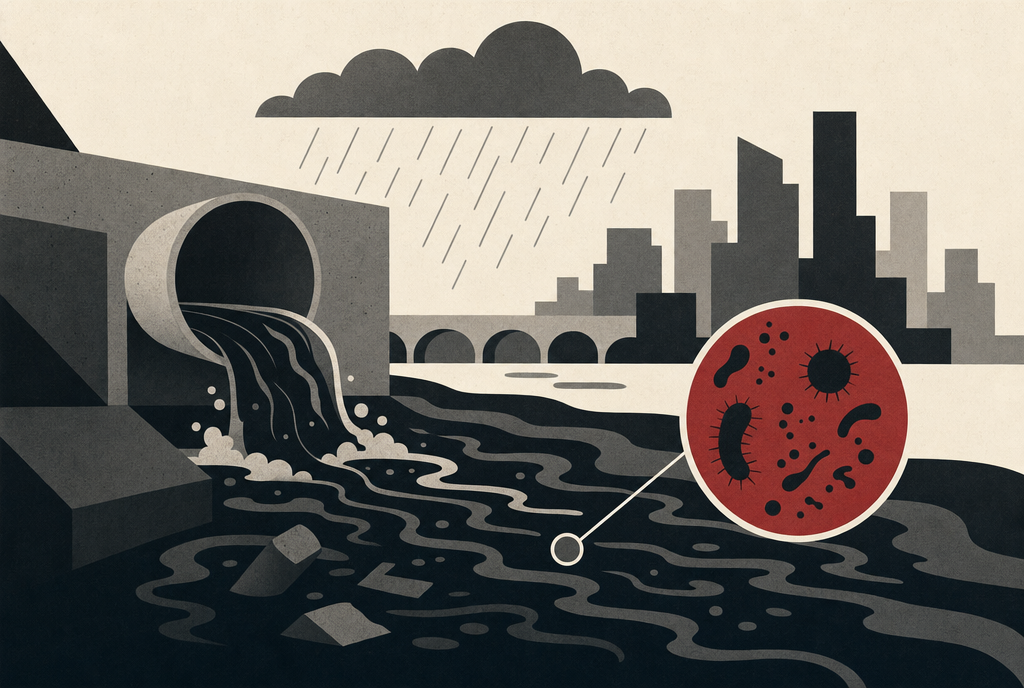
Monsoon rains in India, crucial for agriculture and summer relief, are inadvertently creating breeding grounds for antibiotic-resistant bacteria in urban rivers. New research from IIT Roorkee, Technische Universität Dresden, and IIT-BHU Varanasi reveals that intense seasonal rainfall triggers a surge in antibiotic resistance genes, turning these waters into AMR hotspots.
Scientists measured antibiotic resistance genes (ARGs) in the Bindal and Rispana rivers in Dehradun, finding that during monsoons, their relative abundance skyrocketed up to one thousand times compared to dry summers. This is driven by untreated human and animal waste being washed into river systems by heavy downpours, with no dilution from sewage and solid waste management.
The study, conducted in 2019, used molecular techniques to detect specific marker genes, including those for sulfonamides, macrolides, and tetracyclines, as well as E. coli and the intI1 gene. While heavy rains stopped, resistance genes persisted in river sediments, acting as long-term reservoirs. Previously, point sources like wastewater treatment plants were suspected, but this study found no significant increase in resistance genes downstream of treatment plants.
Instead, nonpoint-source pollution, including small leaks of sewage and trash, was identified as the primary driver. Health professionals now recognize monsoon season as a high-risk period for AMR spread, emphasizing the need for improved sewage systems and waste management to ensure the continued effectiveness of antibiotics.
Written by urgent.news from Research Matters India's reporting — not their text. Machine-written — may contain errors; check the original before relying on it.