How volunteers with 3D printers make weapons for Ukraine
Last week, Ukrainian President Zelenskyy dismissed his tech-savvy defense minister. That sparked protests among supporters who credit him with helping transform Ukraine's defense capabilities. Special correspondent Simon Ostrovsky and producer Katia Patin report on the technologies and policies that helped drive that transformation. A warning: this story includes graphic descriptions of war.
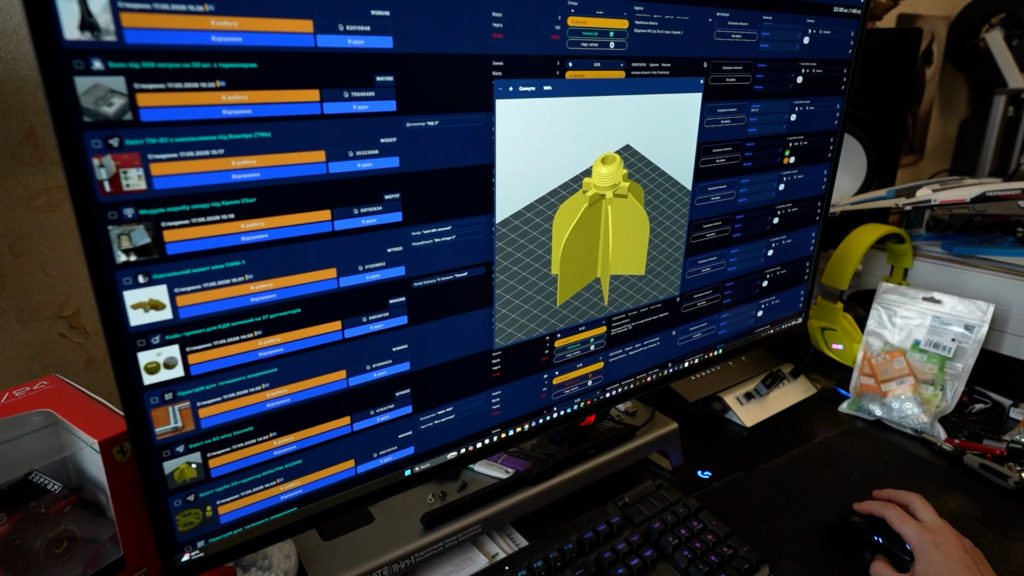
Ukrainian President Volodymyr Zelenskyy recently removed his tech-savvy defense minister, leading to protests from supporters who believe he played a key role in enhancing Ukraine's defense capabilities. To report on this transformation, special correspondent Simon Ostrovsky and producer Katia Patin spoke with Little Witch, a volunteer weapon maker who uses 3-D printers to produce weapons for the Ukrainian troops.
Little Witch works from her apartment, turning it into a high-tech printing armory, a part of an organization called Drukarmija, or Print Army. This group, consisting of over 3,500 civilians, is funded through voluntary donations and operates an online marketplace where soldiers can order 3-D printed weapons and gear. Each printer costs about $1,000 and produces items such as gun magazines, explosives casings, and drone detection bodies.
Meanwhile, Brave1 Market, another platform, verifies soldiers' confirmed kills and rewards them with points that can be redeemed for weapons. This gamification of war aims to boost soldiers' motivation. Both organizations deliver their products directly to front-line soldiers, often in a matter of days. The Print Army has shipped over 527 tons of 3-D printed products to Ukraine's troops in the past year.
Written by urgent.news from PBS NewsHour Science's reporting — not their text. Machine-written — may contain errors; check the original before relying on it.