Obeying the speed limit would save 57,000 tons of carbon a day. It would cost you 54 seconds.
A study of more than 120 million trips finds that Americans' rush to save time on the road comes at an outsize environmental cost.
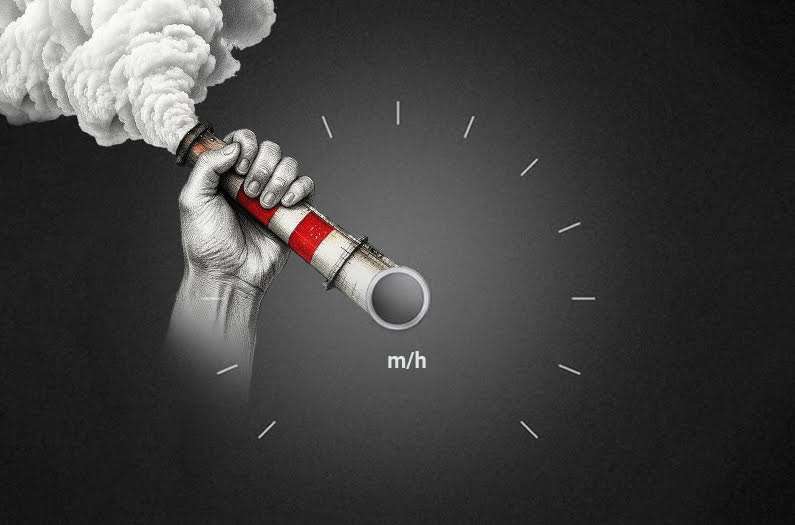
Driving faster burns more fuel and emits more carbon emissions, according to a new study from the University of Minnesota. Researchers found that obeying speed limits could save the United States an estimated 57,000 metric tons of carbon emissions each day while only adding an extra 54 seconds to a driver's commute. William Northrop, a mechanical engineering professor involved in the study, explains that speeding increases drag force and fuel consumption exponentially.
The team analyzed over 120 million vehicle trips and found that driving the speed limit would save 6.7 million gallons of fuel and $22 million in fuel costs daily. While slowing down adds about 190 seconds to a 100-mile trip, the collective environmental and economic benefits are significant. The analysis also showed that the savings for electric vehicle drivers would still be notable, saving 195 megawatt hours of electricity per day, enough to power 82 EVs for a year.
The study emphasizes that speeding, regardless of the type of vehicle, results in unnecessary energy consumption and emissions.
Written by urgent.news from Anthropocene Magazine's reporting — not their text. Machine-written — may contain errors; check the original before relying on it.