SAHRC finds overcrowding, unsafe facilities and shortages at 170 monitored schools
The SAHRC’s 2026 State of Schools report, based on visits to 170 public schools, highlights persistent infrastructure, staffing, sanitation and safety failures that continue to undermine equal access to basic education.
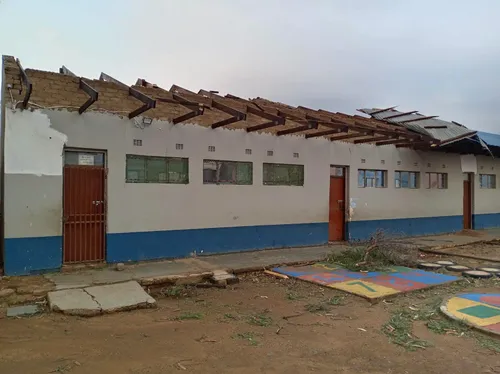
The South Africa Human Rights Commission (SAHRC) unveiled a report on 2026 that highlighted major issues in the country's education system. Despite most schools opening as scheduled, the commission discovered widespread problems such as overcrowding, unsafe facilities, and shortages of resources. These persistent issues were not isolated cases but rather reflections of deeper structural failures in planning, budgeting, maintenance, and oversight.
The commission's 2026 monitoring project stemmed from complaints about challenges to basic education access, which is guaranteed by section 29 of the Constitution. Of the 170 schools monitored nationwide, the findings indicated that while most had opened on time, recurrent issues continued to undermine learners' rights to effective teaching and learning.
These included infrastructure shortcomings, shortages of educators and materials, overcrowding, safety risks, inadequate scholar transport, delayed support interventions, and resource disparities. The SAHRC urged the Department of Basic Education (DBE) and provincial departments to submit detailed plans addressing the identified challenges within a specific timeframe.
Ministerial spokesperson Lukhanyo Vangqa indicated that further questions should be directed to Terene Khala, the department's spokesperson, who had not yet responded. The report revealed severe school infrastructure failures, including hazardous structures and abandoned projects, particularly in the Eastern Cape, Limpopo, and KwaZulu-Natal.
In Limpopo, class sizes exceeded 100 learners, and requests for mobile classrooms since 2022 remained unfulfilled. The situation worsened due to shortages of desks, chairs, water, and sanitation facilities, with pit latrines still in use in rural schools and newly built facilities compromised by contractor disputes. In the Eastern Cape, toilet repairs were pending, and at Van Koller Primary School, only two out of 30 toilets were functional.
Six provinces faced unreliable municipal water supplies, and many areas had untested boreholes without backup storage. Staffing instability was also reported, with many schools operating with unfilled positions and a lack of subject specialists and principals. Furthermore, schools lacked essential support personnel such as administrative clerks, cleaners, and security staff.
Safety and security varied significantly, with most schools in the Eastern Cape, Mpumalanga, the Northern Cape, North West, and Limpopo lacking adequate funding for security. Cable theft and holiday vandalism further disrupted electricity supply, as seen at Tyhilulwazi Senior Secondary School in the Eastern Cape, which had been without power since 2022.
The report emphasized that the education system remains deeply unequal, with learners' access to basic education heavily influenced by geographical location and socio-economic status. The SAHRC called for an urgent, comprehensive recovery plan to address critical infrastructure and sanitation issues, overcrowding, educator vacancies, learning material provisioning, school safety, and support for undocumented, Grade R, and special-needs learners.
The commission demanded that the DBE submit its response within 60 days and that each provincial department develop an Annual Service Improvement Plan (ASIP) by February 26, 2027, to monitor progress and ensure compliance with the right to basic education.
Rewritten by urgent.news; may contain errors — check the original.
Source: iol.co.za