Mixed emotions as buffel grass not named weed of national significance
First Nations and environmental groups slam government decision not to list buffel grass nationally significant weed, while the cattle industry say it's a win for pastoralists who use the grass for cattle feed.
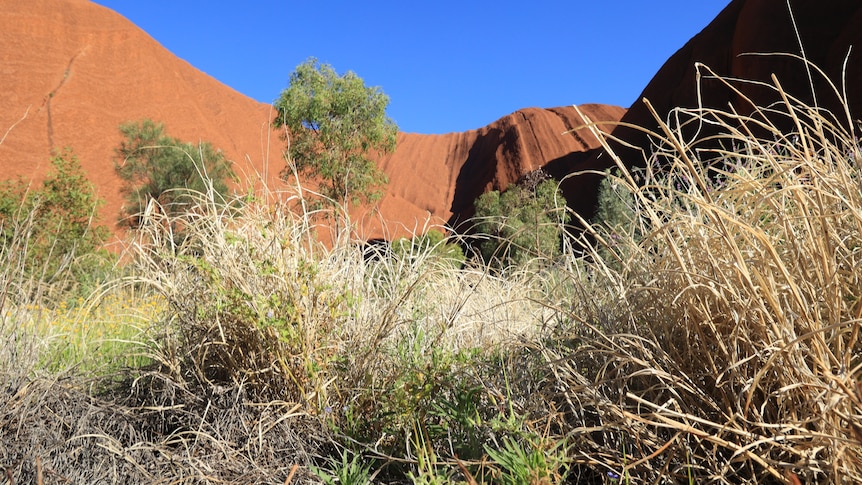
The decision by the National Biosecurity Committee not to list buffel grass as a weed of national significance has elicited mixed reactions. While the cattle industry views the call as positive, environmental groups and Indigenous rangers believe the decision is premature. The Invasive Species Council is urging for a comprehensive investigation into the grass's impacts on ecosystems, culturally significant sites, health, and infrastructure.
Buffel grass, introduced by Afghan cameleers and initially planted to control soil erosion and feed cattle, now infests across Australia. It is drought-resistant, fast-spreading, and has the potential to eradicate animal habitats and outcompete native plants. The grass was declared a weed in the Northern Territory in 2024, but its presence is not without controversy.
The cattle industry, represented by the Northern Territory Cattlemen's Association, sees buffel grass as a valuable cattle feed. The group's chief executive, Romy Carey, welcomed the decision, stating that it is a species that cattle producers rely on for livestock feeding. However, Carey acknowledged that the grass could pose a risk to the environment, but the industry is ready to take action where necessary.
Environmental groups and Indigenous land managers argue that buffel grass should be listed as a weed of national significance. They have observed the damaging effects of the grass on conservation areas and believe that a national listing would facilitate coordinated efforts to control the weed. The Invasive Species Council's Taigen Ryan criticized the decision, stating that it reflects a failure in Australia's biosecurity system that prioritizes vested interests over environmental concerns.
Ryan called for a federal inquiry into the country's inadequate response to the growing crisis, emphasizing the need for action beyond the next election cycle.
The Arid Land Environment Centre and the Central Land Council have echoed Ryan's call, urging the public to be informed about the decision and the grass's impact on cultural heritage, health, infrastructure, and homes.
Rewritten by urgent.news; may contain errors — check the original.
Source: abc.net.au