India Must Prioritise Export Competitiveness Over Tariff-Driven Trade Concessions
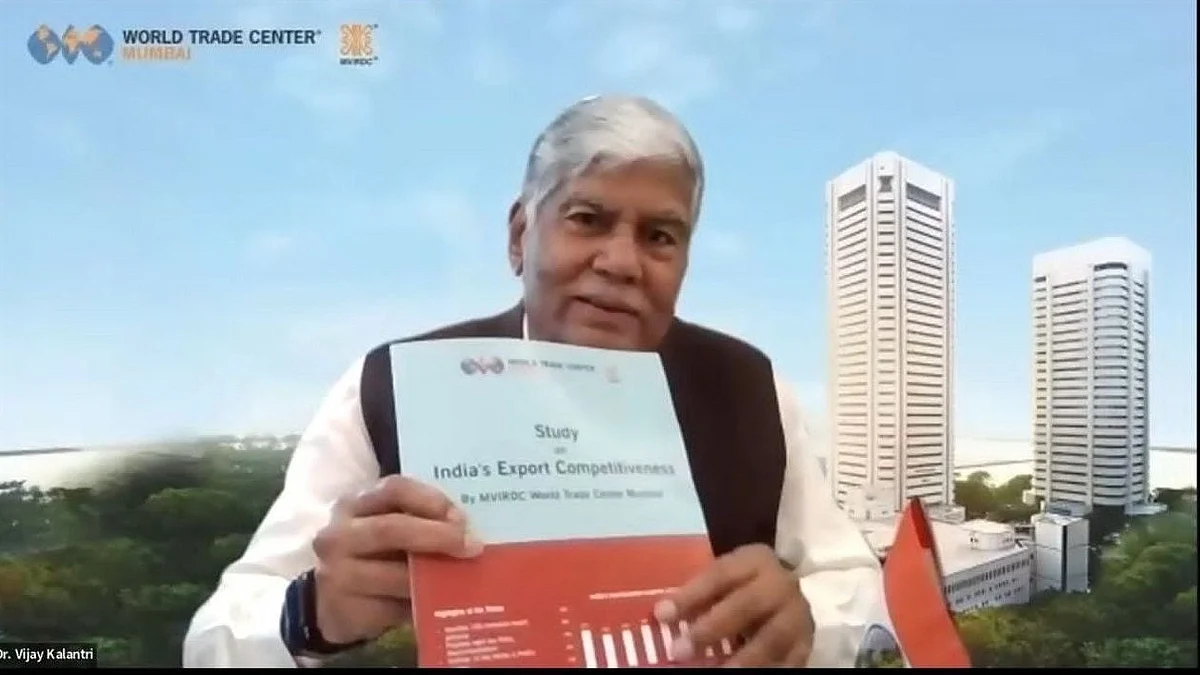
India must prioritize nurturing export competitiveness rather than granting tariff-driven trade concessions, according to Dr. Vijay Kalantri, President of the All India Association of Industries (AIAI) and Chairman of the MVIRDC World Trade Center Mumbai. Dr. Kalantri cautioned against any immediate tariff considerations in trade agreements and urged India to base its agreements on mutual economic interests, reciprocity, and long-term commercial benefits.
Dr. Kalantri expressed apprehension over the proposed 25% tariff on India by the United States Trade Representative (USTR) under Section 301 of the US Trade Act, 1974. Even if India reduces the tariff to 17% upon concluding a bilateral trade agreement, its competitive edge over nations like Bangladesh and Indonesia, which could incur 18% tariffs under their respective trade agreements, would only rise by one percentage point.
Dr. Kalantri questioned whether the concessions sought in exchange for such minimal competitive advantage are justifiable for India's domestic industry, agriculture, and exporters.
The expert also raised concerns about the escalating use of tariffs as tools for economic and geopolitical negotiations, asserting that frequent changes in trade policy undermine WTO rule-based multilateralism, erode business confidence, disrupt global supply chains, and instigate uncertainty for exporters and investors.
Despite the prevailing global economic turmoil and tariff uncertainties, India's export performance over the last two quarters has remained resilient. The depreciation of the rupee has contributed to enhanced export competitiveness, while the diversification of India's export markets has proven instrumental in sustaining its export growth.
Dr. Kalantri emphasized that India must harness the current global trade uncertainty to bolster its domestic industrial capabilities and broaden its presence in both emerging and established markets. With suitable policy backing, market diversification, and a strategic approach to fortify exporters – particularly MSMEs – India can endure external tariff pressures and maintain export growth. Export competitiveness and diversification must remain at the forefront of India's long-term economic aspirations, he concluded.
Rewritten by urgent.news; may contain errors — check the original.
Source: freepressjournal.in