'Including women and people of color in datasets does not make AI systems feminist and antiracist'
We spoke with Neda Atanasoski, Chair of the Harriet Tubman Department of Women’s, Gender, and Sexuality Studies at the University of Maryland, about the domestic and care work that is rendered invisible by artificial intelligence.
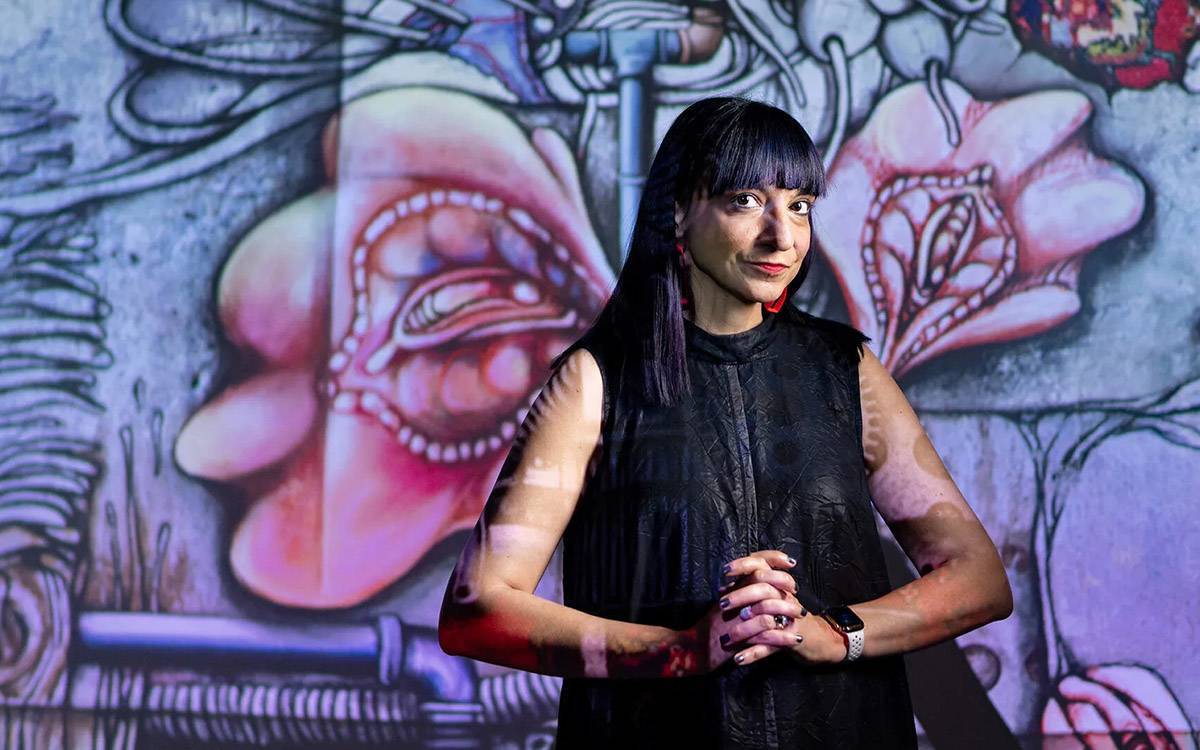
In her book, Surrogate Humanity, co-authored with Kalindi Vora, Neda Atanasoski critiques the notion of artificial feminist intelligence. She argues that AI models moving into care and emotional support fields are part of technoliberalism - the belief that technology can perform tasks previously done by humans. Atanasoski points out that many tasks people want automated, like cleaning or caregiving, are actually difficult and involve care and creativity.
She notes that service and care work, often performed by women, people of color, and workers in the Global South, are frequently undervalued and undesirable. The AI enhanced smart home, with its interconnected gadgets, inherits these structures that invisibilize the racialized and gendered work of service and support. The goal of an on-demand, invisible service is built into the design of these homes.
AI companies are now automating intellectual and creative labor, while repetitive tasks remain largely done by Global South workers. This perpetuates a fantasy of technoliberalism, where AI takes over work that was historically done by racialized, gendered, and colonized workers.
Rewritten by urgent.news; may contain errors — check the original.
Source: bianet.org