Conflict and El Nino deepen hunger crisis across Africa and beyond
The United Nations has warned that acute hunger could worsen across 16 global hotspots between December 2026 and May 2027, with Sudan, South Sudan, Somalia, northern Nigeria and Yemen facing the greatest concern.
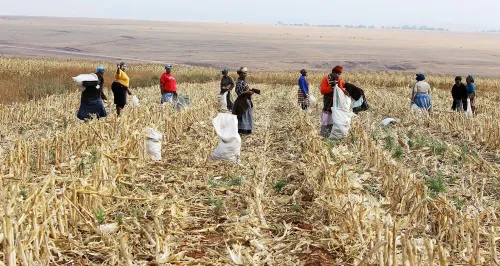
The United Nations' Food and Agriculture Organization (FAO) and World Food Programme (WFP) have issued a dire warning about an escalating hunger crisis across 16 countries, primarily in Africa, and other regions. This crisis is expected to persist over the next six months, from December 2026 to May 2027. The main drivers of this crisis are ongoing conflicts and the climatic phenomenon known as El Nino.
The two organizations identified Sudan, South Sudan, Somalia, northern Nigeria, and Yemen as the most critical areas of concern. In these regions, famine poses a "plausible" risk, particularly in North Darfur (Sudan) and parts of South Sudan.
The report highlights a troubling trend where political violence has increased by over 15 percent compared to the same period a year earlier. This surge in political unrest has led to alarming levels of displacement, particularly in South Sudan and Yemen. The five countries most at risk have seen a significant decline in humanitarian assistance - from $5.1 billion in 2022 to $2 billion in 2025.
Despite past humanitarian efforts that averted famine, the gains were temporary, with severe acute food insecurity risks re-emerging within a few years.
Other regions flagged as "very high concern" include Afghanistan, the Democratic Republic of Congo, Palestine, and Haiti. The latter three are grappling with additional challenges, including an Ebola outbreak in the DRC, expanding gang violence in Haiti, and gang-related violence leading to the displacement of 1.5 million people.
New additions to the list are Chad, Uganda, the Southern Africa region, and the Central American Dry Corridor, which is expected to be impacted by El Nino, a climatic event that could exacerbate crop losses and other issues.
The report underscores the urgent need for targeted humanitarian action to prevent starvation and loss of life. Areas like Chad, Uganda, the Southern Africa region, and the Central American Dry Corridor are expected to be particularly affected by El Nino, causing crop losses and other challenges. The report estimates that due to this year's intense El Nino, up to 49 million more people could be pushed into acute food insecurity by the end of 2027. The FAO-WFP plan, aimed at addressing these crises, is facing a funding shortfall of $125 million.
Rewritten by urgent.news; may contain errors — check the original.
Source: iol.co.za