Bihar Museum is among world’s best. Can a museum change how the state sees itself?
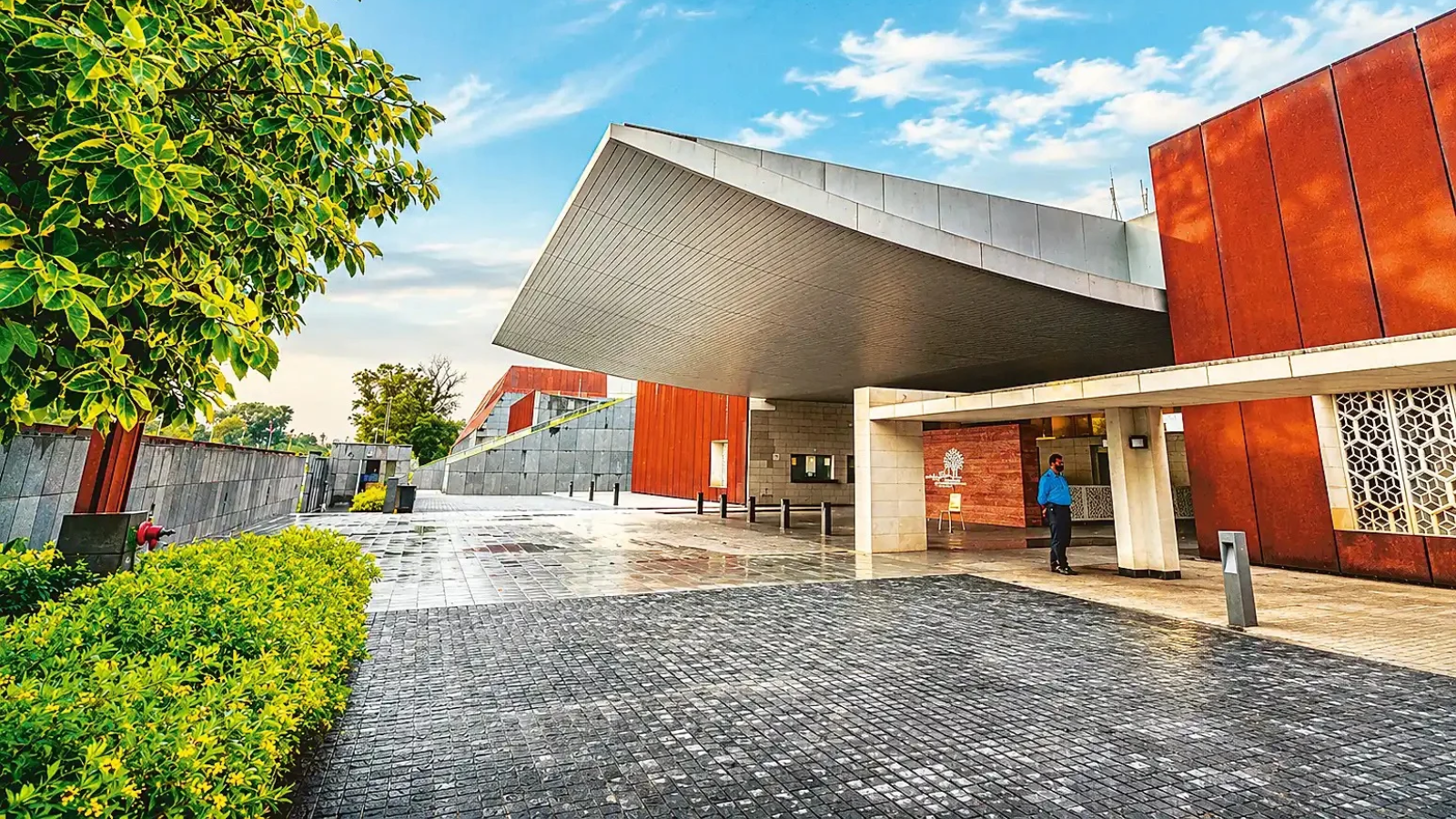
In the early 2010s, the Bihar Museum embarked on a mission to transform Bihar's perception of its own heritage. One of its most prized acquisitions was the Didarganj Yakshi, a 2,500-year-old Mauryan sculpture, which had previously been displayed at the historic Patna Museum. In a bold move, the creators of the new Bihar Museum sought to place the Yakshi within a broader narrative of Bihar's rich history, rather than as a mere centerpiece.
By encouraging visitors to traverse several galleries that chronicled Bihar's journey from roughly 400,000 BCE to the late 18th century, the museum aimed to cultivate a deeper appreciation for the state's past. This approach was inspired by renowned institutions like the Louvre in Paris, where iconic works are encountered after navigating a series of thematic exhibitions.
The curation process was meticulous, with each artifact, painting, and sculpture carefully evaluated for its place in Bihar's cultural tapestry. The museum aimed to set itself apart from its predecessors by moving away from the compartmentalized display of artifacts found in colonial-era museums, instead opting for a chronological and thematic narrative.
This innovative approach has garnered international acclaim. In 2026, a German travel guide featured the Bihar Museum as the ninth-best museum in the world, placing it ahead of celebrated institutions such as the Metropolitan Museum of Art in New York and the British Museum in London. This recognition is a significant achievement for a state that has often been overshadowed by political turmoil and administrative shortcomings.
Rewritten by urgent.news; may contain errors — check the original.
Source: indianexpress.com