Opinion · Business
Argentina should make it easier to choose, not easier to be chosen
Milei’s electoral reform, which includes suspending primaries, gives voters less agency and fewer ways to make an informed choice La entrada Argentina should make it easier to choose, not easier to be chosen se publicó primero en Buenos Aires Herald .
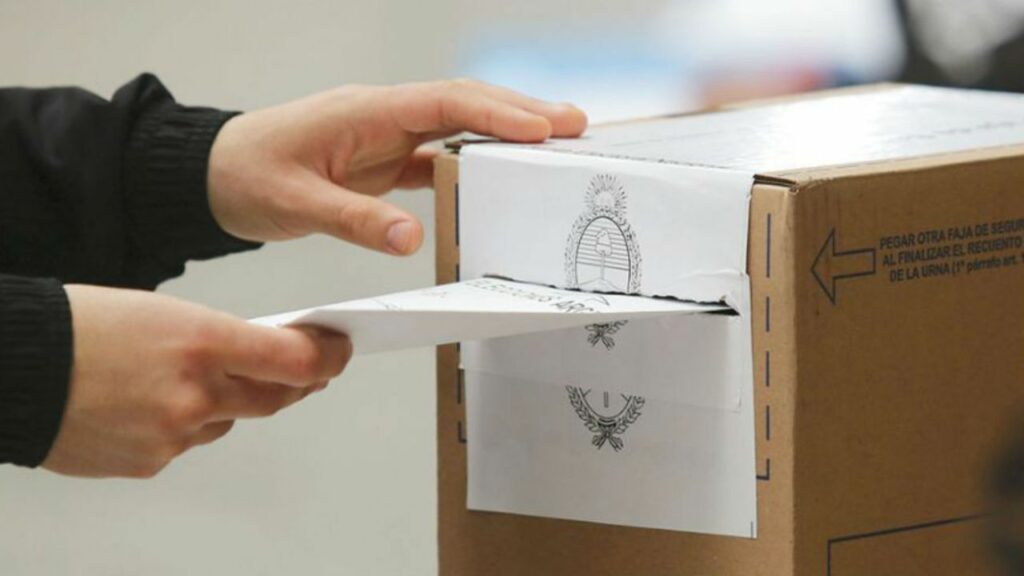
In a recent decision by Argentina’s Senate, the government-sponsored bill aimed at reforming the electoral process has been approved. The proposed changes include suspending national primaries for 2027, halving the broadcast time for campaigning, and ending mandatory presidential debates before the first round of voting. The bill is now set to be discussed in the Chamber of Deputies.
The main objective of the proposed reforms, according to critics, is to prevent Peronism, the main opposition movement, which is deeply divided, from using the open primary to unite behind a single candidate. However, the government argues that the reform is designed to reduce costs in line with its zero deficit policy. Cabinet chief Diego Santilli estimates that the cost of the primaries amounts to US$200 million.
A study by Fundación Éforo suggests that when primaries were suspended in the 2025 midterms, electoral spending was only slightly lower than in 2021, primarily due to increased postal and logistical costs. The government also asserts that Argentines are bombarded with too many electoral events, with at least eight provinces holding local elections on different dates, potentially calling citizens to vote four times in 2027.
While the proposed reforms touch upon several valid concerns, the columnist argues that they may inadvertently hinder the democratic process. In the United States, candidates and their supporters can purchase airtime, but this does not guarantee a win, as demonstrated by Elon Musk's unsuccessful attempt in the recent midterms. In Argentina, parties accept private donations but cannot buy advertising on radio or television.
Instead, broadcast time is allocated through a public system, with half distributed equally among competing parties and the other half reflecting their performance in previous congressional elections.
By eliminating guaranteed airtime, the reform could make it harder for candidates without wealthy backers to be heard, potentially stifling competition and limiting voter choice. Furthermore, allowing electoral advertising to run outside the official campaign period could also undermine the fairness and transparency of the electoral process.
The columnist supports the government's argument for modernizing some restrictions, particularly in light of societal changes. Banning concerts or alcohol sales around election day is increasingly difficult to defend given the evolving nature of society. Open primaries, which allow voters to choose the candidate they prefer from a coalition, have been a valuable tool for expressing individual preferences.
Suspending PASO (the Spanish initials for open, simultaneous, and compulsory primaries) would leave candidate selection to the rules established by each political party or alliance, effectively removing voters' ability to directly influence the choice of their preferred candidate.
The columnist does acknowledge the government's argument that primaries have mostly been used to confirm candidates rather than to choose them. However, he emphasizes that there is no evidence to suggest that suspending primaries would result in substantial cost savings. Given the critical role that primaries play in shaping the electoral landscape, the columnist advocates for a more nuanced approach that prioritizes real challengers, makes it harder for party leaders to exclude qualified candidates, and demonstrates the tangible benefits of suspending competitive primaries.
Rewritten by urgent.news; may contain errors — check the original.
Source: buenosairesherald.com