Volatile stock market confronts jobs data, rate view as next tests
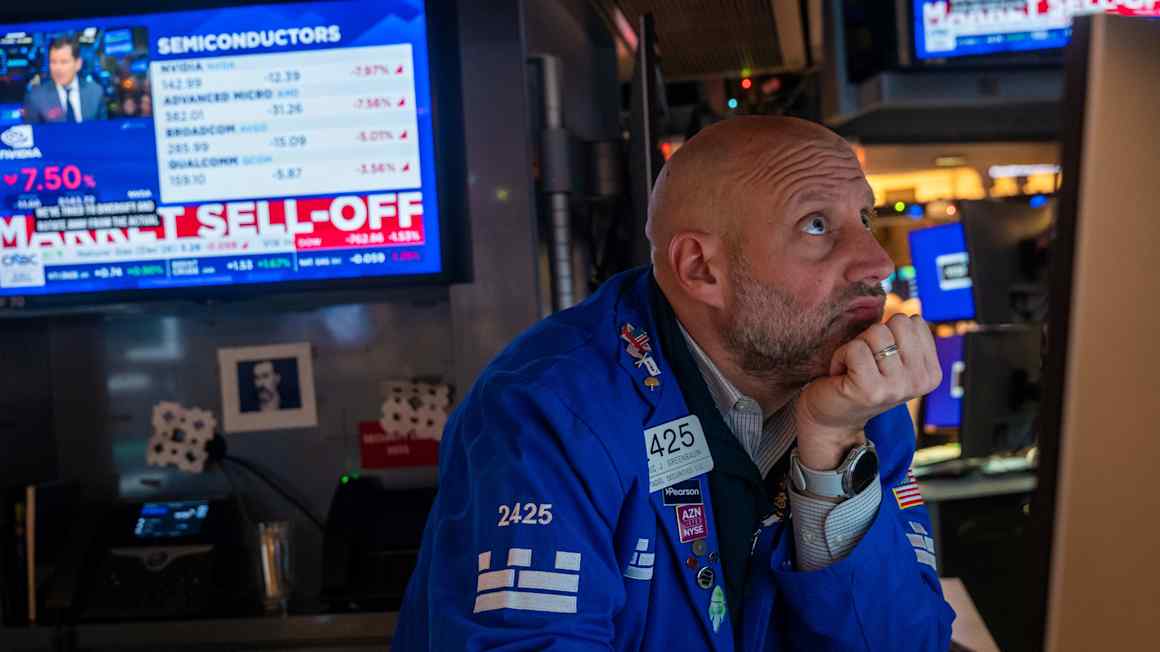
Severe stock market volatility has investors apprehensive as they prepare for the upcoming US employment report and its potential impact on Federal Reserve interest rate hikes. The S&P 500 has experienced significant fluctuations, with the index entering a correction after a recent decline and then rebounding following the reinstatement of Nvidia CEO Jensen Huang.
Despite this, the technology and AI sectors have remained highly volatile. The labor market report, set to be released next Friday, will be a key economic indicator as the Federal Reserve meets on December 8-9. A strong jobs report could indicate a hotter economy, potentially prompting the central bank to adopt a more aggressive stance on interest rates, which could negatively affect the battered stocks.
Meanwhile, Nvidia will be in the spotlight as its CEO testifies before the US Senate Banking Committee. S&P Global Ratings downgraded Nvidia's credit rating to "CreditWatch Negative," suggesting a high probability of a downgrade. Although Huang's reinstatement has provided some relief, there are still concerns about the sustainability of the AI buildout and the potential for a downgrade.
The Federal Reserve is expected to raise interest rates by 0.25% at its upcoming meeting, aiming to curb inflation that has remained above the 2% target for several years. However, the tone of the Fed's approach remains uncertain. Investors are watching for any signs of economic weakness that could provide the central bank with room to ease its stance.
Upcoming economic data, including manufacturing and services activity reports and consumer sentiment, will also play a crucial role in shaping market sentiment. Meanwhile, quarterly earnings from Salesforce and Marvell Technology could further influence the AI and tech sectors. The S&P 500 has dropped 7% since reaching an all-time high on October 6, while the tech-heavy Nasdaq Composite has fallen about 13%.
The Cboe Market Volatility Index, a measure of investor fear, stands at 24, significantly higher than its long-term median of 17.6, indicating heightened unease among market participants.
Rewritten by urgent.news; may contain errors — check the original.
Source: investing.com