Viruserkrankung mit Folgen: Kampf gegen Masern: Amerika und Europa im Blick der WHO
Im Kampf gegen die hochansteckende Krankheit gab es in den vergangenen Jahren große Erfolge. Umso mehr warnen UN-Fachleute vor Rückschritten. Sie haben dabei etwa die USA und Europa im Blick.
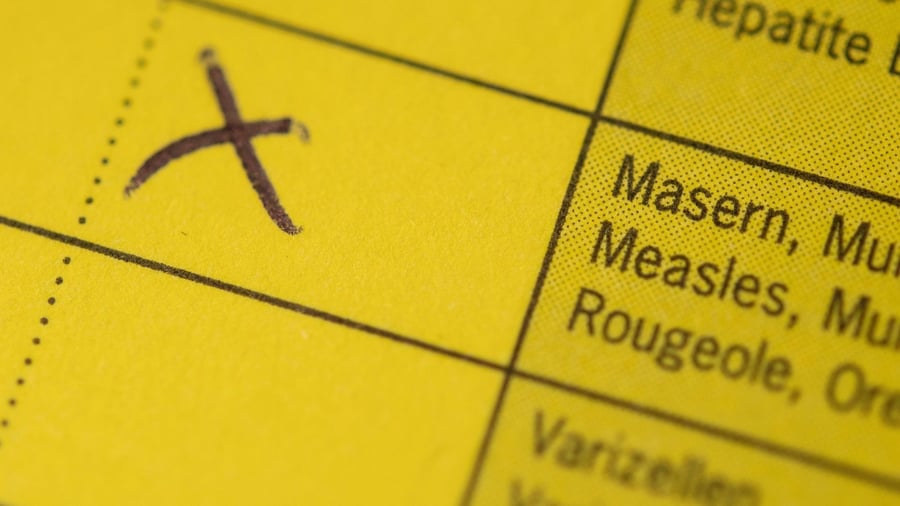
The World Health Organization (WHO) warns of a potential resurgence of the dangerous infectious disease measles, despite a significant drop in measles-related deaths. In its annual measles report, the Geneva-based UN organization points to declining vaccination rates on the North American continent and low immunization levels in parts of Europe.
Globally, 59 large measles outbreaks were recorded last year. An estimated 72,000 people died from the disease, 91 percent fewer than in 2000. This represented the lowest number of deaths in this time period, according to the WHO. The number of infected people was 9.8 million, 74 percent fewer than in 2000. The decline in cases is attributed to vaccinations, said WHO Director-General Tedros Adhanom Ghebreyesus.
"But measles forgives no complacency," he warned, urging continued efforts in the fight against the virus. The US, Mexico, and Bolivia have recently lost their status as measles-free countries, the WHO noted in a statement as "highly concerning." Vaccination rates on the American continent had been low for several years after 2016.
In the US, Health Minister Robert F. Kennedy Jr. repeatedly spread doubts about vaccinations. Only in response to child deaths did he call vaccines the most effective measure against measles outbreaks. Confusing statements from influential figures would trigger vaccine hesitation among parents, said WHO expert Kate O'Brien, without mentioning Kennedy by name.
The WHO also highlighted extremely low measles vaccination rates in some European countries. A WHO database shows a first-dose immunization rate of 13 percent in Montenegro - far below the global average of 84 percent. Bosnia-Herzegovina, North Macedonia, Serbia, and Romania also lag significantly behind the average. The first-dose immunization rate in Germany, which is not considered measles-free, was 96 percent last year.
Misconceptions and misinformation Doctors' associations in Southeast Europe lament that parts of the population refuse to vaccinate their children due to false information, based on mistrust. These associations also emphasize the role of social media in spreading conspiracy theories. Measles weaken the immune system and can lead to other illnesses. Rarely, they can cause brain inflammation, which can end in brain damage or death.
Rewritten by urgent.news; may contain errors — check the original.
Source: handelsblatt.com