UPSC Essentials daily subject quiz : Environment and Geography MCQs on vehicular emissions, koyna wildlife sanctuary, and more (Week 190)
UPSC Essentials has launched its subject-wise quiz initiative to assist students in reviewing essential topics from the static syllabus. The latest quiz, focused on Environment and Geography, is now available for students to test their knowledge. For those interested in reading the November 2026 edition of the UPSC Essentials magazine, it can be accessed by clicking the provided link. Feedback and suggestions can be shared via the comment section or by emailing manas.srivastava@indianexpress.com.
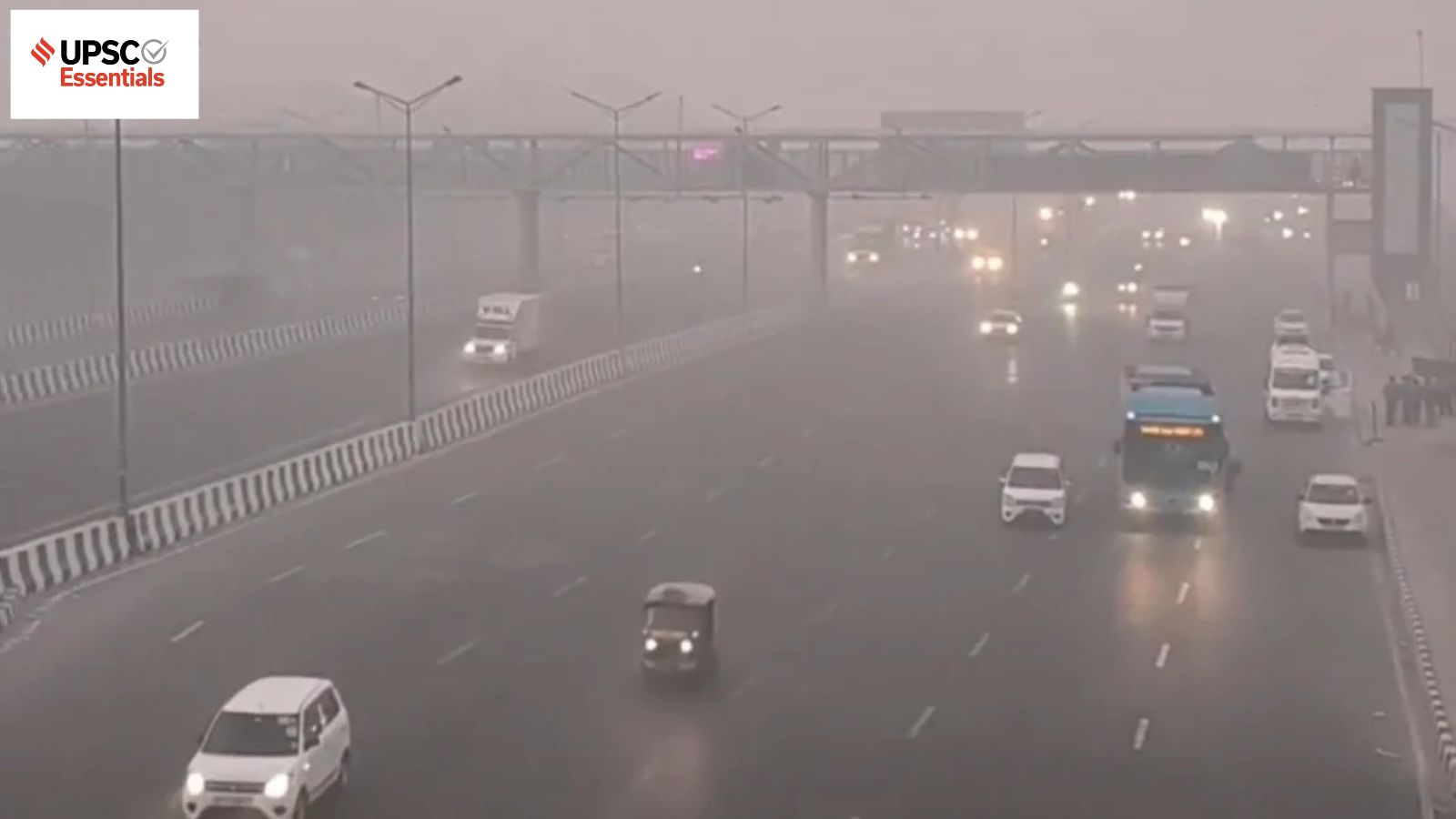
The first question in the quiz pertains to vehicular emissions, which are a significant contributor to air pollution in urban areas. The correct answer is (a) 1, 2 and 3 only, as PM 2.5, Nitrogen Oxide (NOx) emissions, and Carbon Monoxide (CO) are all identified as vehicular emissions. Radon, Dioxins, and Perchloroethylene are not vehicular emissions and thus do not belong to the correct option.
This question highlights the importance of understanding transport-related pollution control measures and India's efforts to improve urban air quality under Environment and Ecology.
The second question addresses the anthropogenic factors responsible for the extinction of species in India. Option (c) 1, 3, and 5 is the correct answer, as Human population density, Biological invasions, and Unsustainable hunting and harvesting are all human-induced factors contributing to species extinction. Volcanic activity (b) and Tsunamis (d) are natural geological processes and not anthropogenic factors, making option (c) the correct choice.
The third question explores the formation of bromate in water sources. The correct answer is (a) ozone meets bromide in the source water. Bromate forms when ozone reacts with bromide in the water, depending on factors such as bromide concentration, pH, ozone dose, and contact time. Chlorine reacting with bromide during water disinfection (b), Chloramine reacting with bromide in the water treatment process (c), and Chlorine dioxide reacting with naturally occurring bromide ions in water (d) are not the mechanisms by which bromate forms, making option (a) the correct choice.
The final question (not fully provided in the source) appears to delve deeper into water pollution and drinking water quality, relevant topics under Environment and Ecology. However, the specifics of this question are not included in the given material.
Rewritten by urgent.news; may contain errors — check the original.
Source: indianexpress.com