The Next Frontier for Cancer Research? Space
There may be no better environment to grow and study tumors
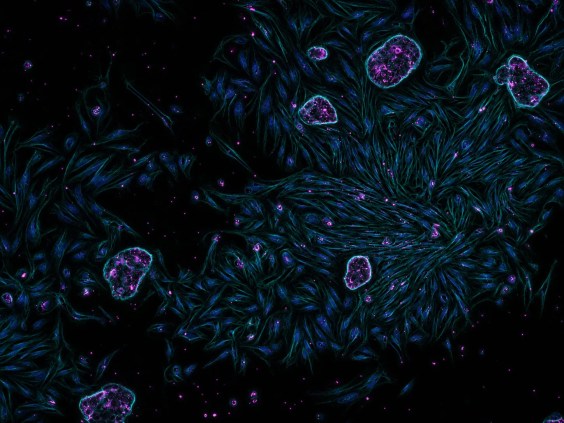
Researchers are turning to the International Space Station (ISS) as a novel environment for studying cancer and drug development. The lack of gravity on the ISS allows cancer microtumors to grow in more natural 3D shapes, closely resembling those found in the human body. This provides scientists with a better understanding of how tumors spread and react to treatment.
By modeling these variables in full microgravity 3D, researchers hope to improve cancer treatments, such as reducing the number of chemotherapy rounds needed and minimizing side effects. The Encapsulate-1 experiment, led by biotech company Encapsulate, grows mini-tumors from patient biopsies on chips and monitors their development via camera feeds and monitoring instruments while on the ISS.
Encapsulate founder Armin Rad noted that the astronauts' involvement was minimal, simply requiring them to plug in the lab, similar to operating a coffee machine. In addition to studying cancer, researchers are also exploring the possibility of manufacturing cancer drugs in space, as microgravity can facilitate the proper formation of drug crystals.
Rewritten by urgent.news; may contain errors — check the original.
Source: nautil.us