The dictator label does not totally fit Nkrumah
To judge his leadership fairly, we must also examine the violence and insecurity that surrounded it. History becomes dishonest when a label takes the place of an explanation. Sixty years after the overthrow of Osagyefo Dr. Kwame Nkrumah on February 24, 1966, Ghana still struggles to discuss its first President without putting him on trial—or […]
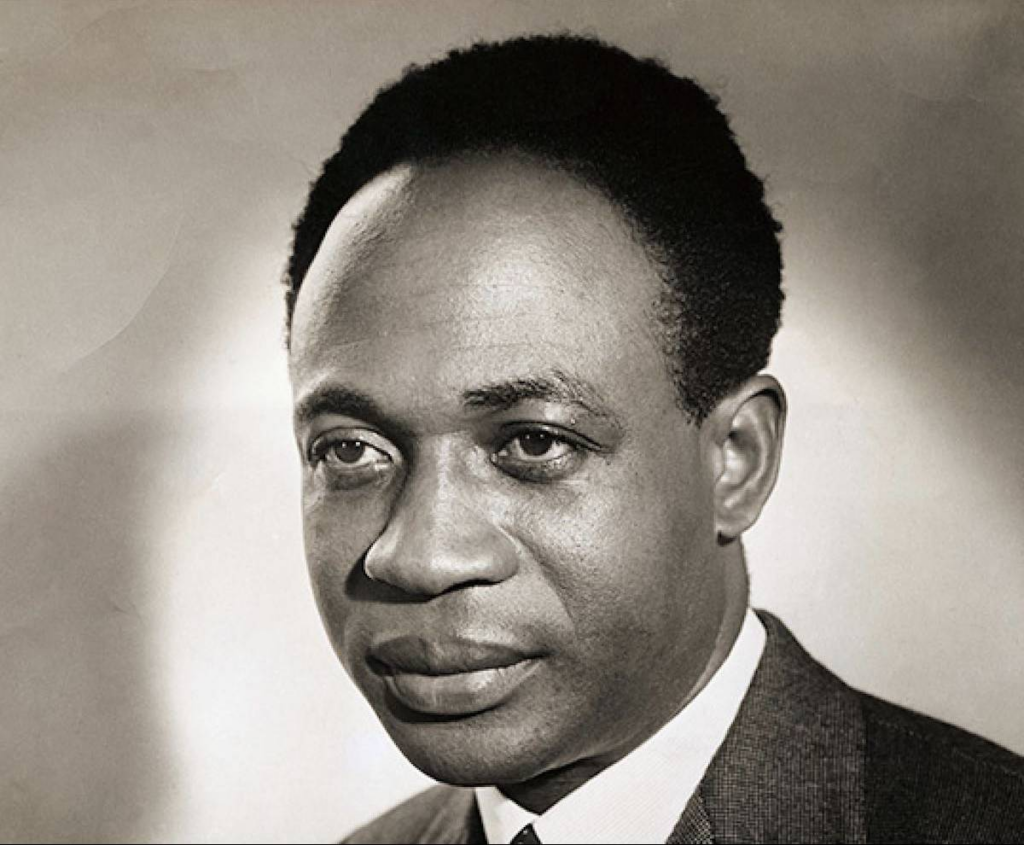
To truly assess Dr. Kwame Nkrumah's leadership, we must consider the violence and insecurity that accompanied it. Sixty years after his overthrow on February 24, 1966, Ghana still grapples with the narrative of its first President, with some viewing him as a dictator and others as a liberator. However, neither characterization is complete.
Nkrumah's government did limit political freedoms, detaining individuals without trial and establishing a one-party state. Yet, these actions must not be overlooked in favor of condemning his violent attacks and the pressures of the Cold War. The question is not whether Nkrumah made mistakes, but how we should judge him without disregarding the circumstances he faced.
On August 1, 1962, a bomb exploded during Nkrumah's return from Upper Volta, injuring multiple people, including a young girl who was severely affected. In January 1964, a police officer shot at Nkrumah, though he survived. These incidents demonstrate the genuine threat he faced, indicating that his increasing distrust was not mere paranoia.
While Nkrumah's government's repressive measures deserve criticism, such as the Preventive Detention Act, we must not assume every critic was a foreign agent. Acknowledging the distinction between opposition and aggression is crucial for a fair assessment. Nkrumah's achievements, like liberating Ghana, implementing development projects, and inspiring the continent, must be recognized, even as we confront the reality of his government's violations of liberties.
The authoritarian label fails to capture the complexity of his presidency. Nkrumah aimed to provide economic foundations for political freedom, evident in projects like the Akosombo Dam and the development of Tema. These efforts should be evaluated on their own merits, not solely to defend him. However, we cannot ignore the suffering caused by political detainees.
Infrastructure improvements cannot erase the injustice of imprisonment without trial. Thus, Ghanaians must recognize both the truth of Nkrumah's governance and the atrocities committed under his rule. Considering the geopolitical context of the Cold War, Nkrumah's opposition to neo-colonialism and his relations with socialist nations made him a contentious figure for Western powers.
American records reveal that officials were aware of plots against him before the coup. This historical context adds depth to understanding Nkrumah's legacy, reinforcing the need for a nuanced perspective that embraces both his successes and failures.
Rewritten by urgent.news; may contain errors — check the original.
Source: adomonline.com