The changing scents of a warming world
Be it in a forest or among the flowers in a garden, the air is enriched in volatile organic compounds, whose profiles climate change is beginning to alter
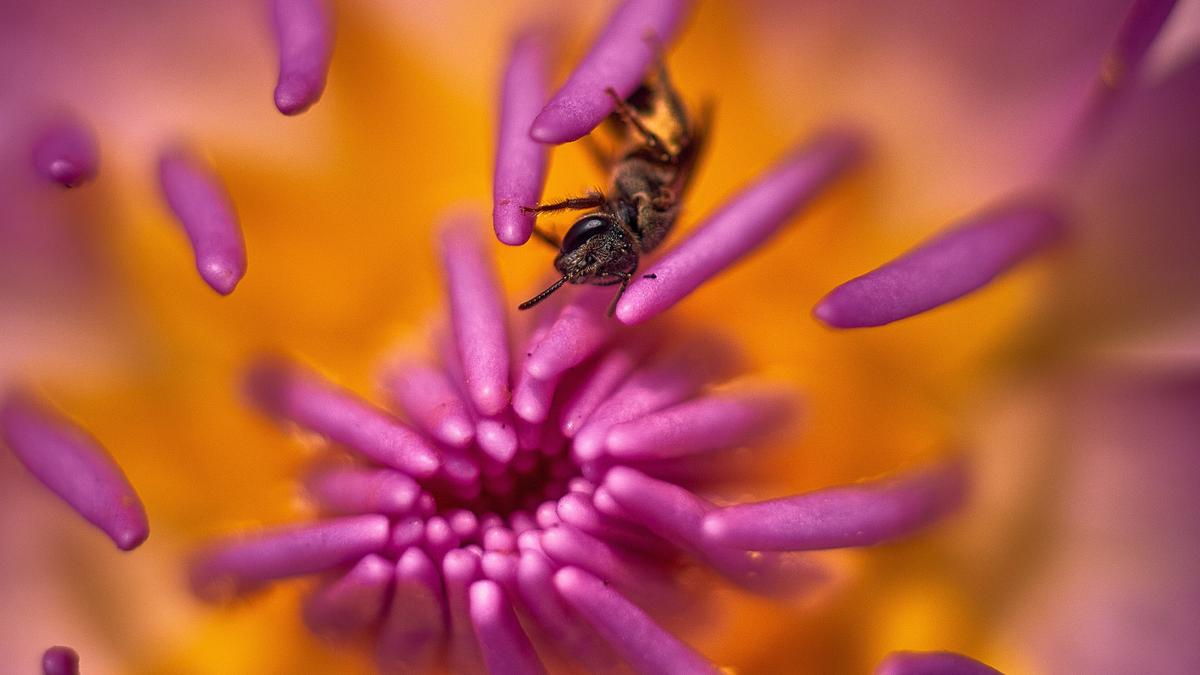
The refreshing experience of being surrounded by nature, both for physical and mental well-being, has long been recognized. In the 1980s, the Japanese introduced the concept of "shinrin-yoku," or forest bathing, which encourages individuals to immerse themselves in the atmosphere of forests and appreciate the surrounding life. This practice has gained acceptance as a form of preventive medicine, even being recommended by medical professionals.
In ancient Hindu texts, there exists a stage of life called 'Vanaprastha,' which shares similarities with this concept of finding solace in nature. Recently, India's Forest Department in Uttarakhand has established a forest healing center near Ranikhet, inviting visitors to disconnect from technology and fully engage with their natural surroundings.
One element that contributes to the ambiance of forests and gardens is the abundance of volatile organic compounds (VOCs) in the air. VOCs are carbon-based molecules that evaporate easily at room temperature. Trees, particularly conifers like cedars and pines, are prolific producers of VOCs, as are certain plants such as sal (also known as shisham in Hindi and chichamaram in Tamil) and the curry leaf tree (karivepillai in Tamil).
VOCs play a crucial role in protecting trees from pests and pathogens, while also alleviating environmental stress, especially during droughts. These compounds can also function as warning signals, alerting nearby plants to potential threats from fungal pathogens. Some of these VOCs possess antibacterial properties, acting as a defensive measure for the plants. Monoterpenes, present in conifers, serve as a constant barrier against potential attackers.
When plants are wounded, they commence the secretion of aldehydes, which inhibit bacterial growth. This natural process highlights the intricate relationship between plants and their environment, emphasizing the importance of preserving and appreciating the natural world.
Rewritten by urgent.news; may contain errors — check the original.
Source: thehindu.com
Other reports of this story
- The changing scents of a warming world thehindu.com