‘The Book of the Human Body’ Surveys 2,000 Years of Remarkable Anatomical Inquiry
We've long wanted to understand our innards. Do stories and artists like this matter to you? Become a Colossal Member today and support independent arts publishing for as little as $7 per month. The article ‘The Book of the Human Body’ Surveys 2,000 Years of Remarkable Anatomical Inquiry appeared first on Colossal .
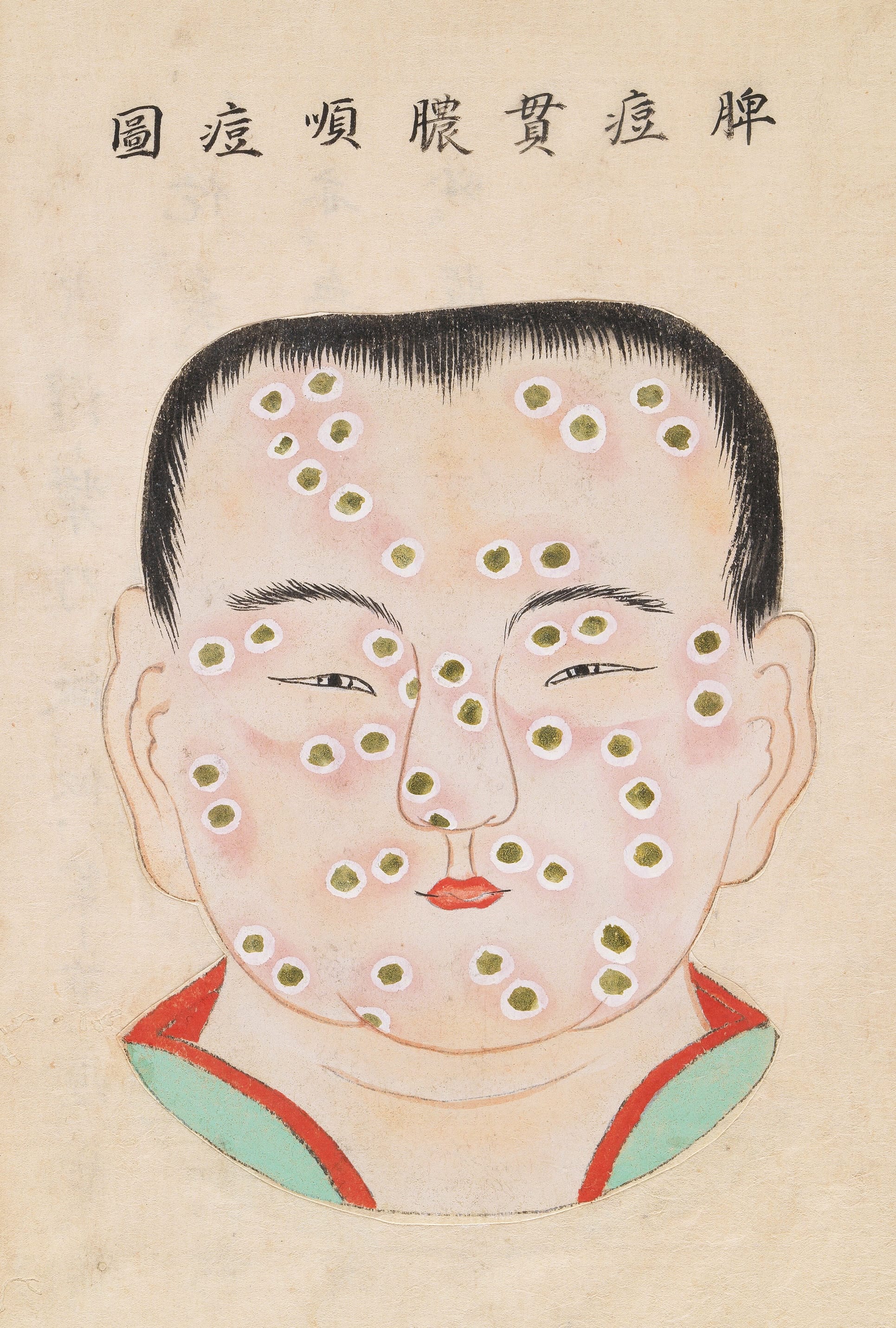
Since ancient times, humans have been fascinated by understanding the workings of our own bodies. This curiosity has persisted through the ages, even as the profession of medicine itself emerged relatively recently. In medieval times, barber-surgeons were often the primary medical practitioners, combining surgical skills with hair cutting services.
The scientific study of anatomy began to take shape in the late 1700s, with academies like the College of Philadelphia and the Edinburgh School of Surgery paving the way for more formal medical education. However, the quest to comprehend the human body was not without its challenges and ethical dilemmas. In Edinburgh, for example, a shortage of fresh cadavers led to a clandestine trade in bodies, many of which were obtained from freshly buried graves under the cover of darkness.
One notable figure in the history of anatomical studies was Robert Knox, who obtained over a dozen bodies from the notorious duo, William Burke and William Hare, who had killed and sold their victims to anatomist Robert Knox for use in his lectures. Despite these troubling accounts, scholars remained dedicated to unraveling the mysteries of our physical selves.
The upcoming book, "The Book of the Human Body," published in January by TASCHEN, aims to explore this rich history of anatomical inquiry. Compiled by medical historian Richard Barnett, the two-volume set features over 950 images drawn from more than 75 rare books and manuscripts from around the globe. These illustrations span various eras and cultural influences, showcasing the breadth of human understanding of our own bodies.
Among the fascinating illustrations included in the book are a 168 B.C.E. silk manuscript from southern China depicting figures engaged in exercises of "self-cultivation," as well as excerpts from Andreas Vesalius's anatomical atlas, "Fabrica," published in 1543. The publisher notes that these images not only serve as valuable medical tools but also stand out as remarkable works of art in their own right.
As we continue to marvel at the complexity and beauty of our own bodies, "The Book of the Human Body" celebrates the enduring power of curiosity and the pursuit of knowledge, offering a visual journey through 2,000 years of anatomical discovery.
Rewritten by urgent.news; may contain errors — check the original.
Source: thisiscolossal.com