The 6 Best Black Friday Deals on Expert-Tested Laptops (2026): Up to $470 Off
These deals on WIRED’s recommended laptops of the year have dropped to new low prices for Black Friday.
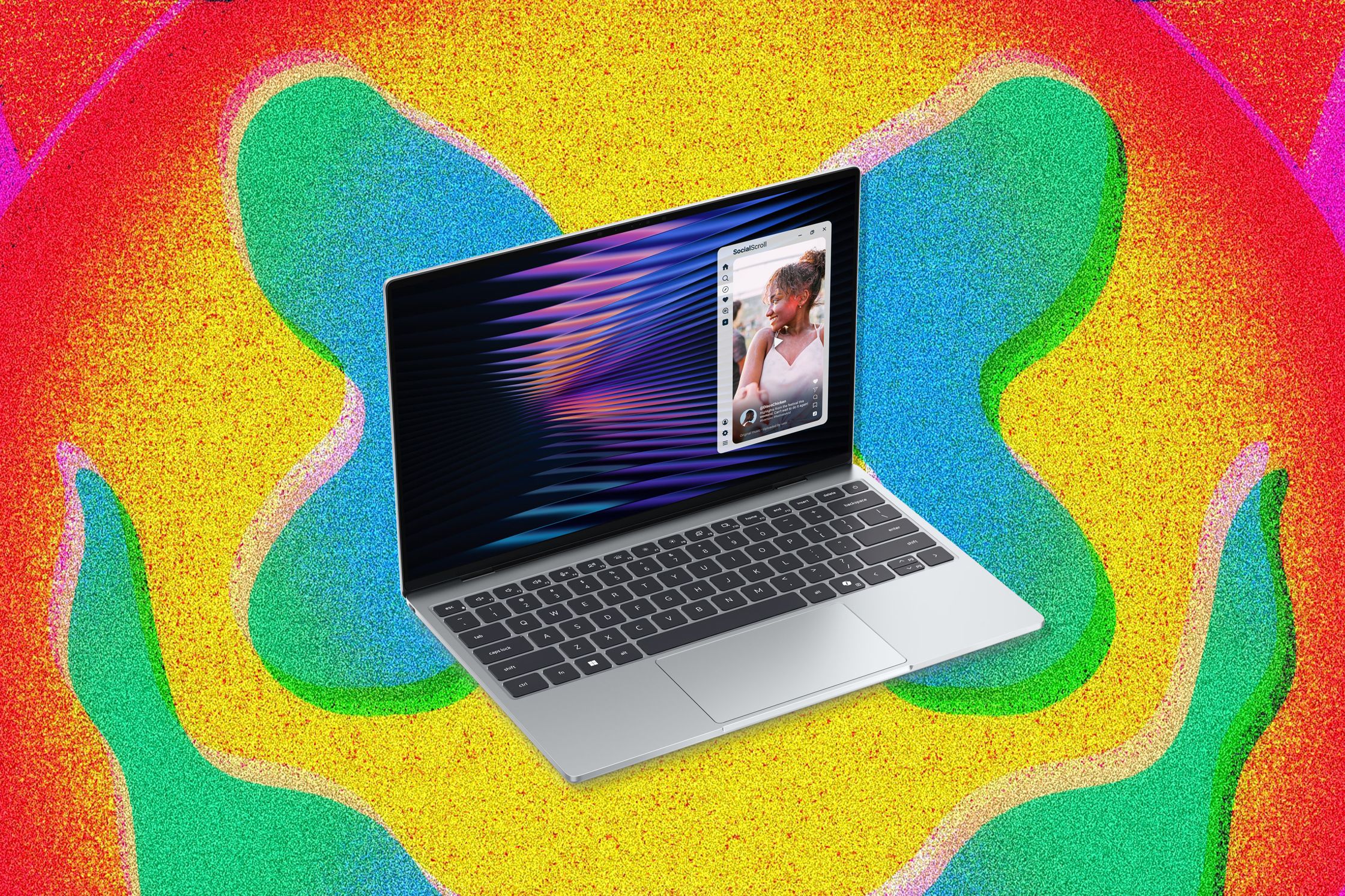
The Dell XPS 13 is currently on sale for $550, a $200 discount from its typical price range of $700 to $750. This Dell model boasts a well-built and portable chassis, a vibrant display, and a great trackpad, but only comes with 8 GB of RAM. Upgrading to 16 GB is available, but it's not on Black Friday sale.
The MacBook Air 13-Inch has been marked down to $999, a $300 reduction from its $1,299 price point in June. This Amazon deal marks the first time the MacBook Air has been close to its original price since June, making it an appealing option for those seeking a premium laptop at an affordable price.
The MacBook Neo, already a budget-friendly choice, has dropped in price by $50, bringing its price to $649. This MacBook Neo offers a metal chassis and a quality display, but has limited 8 GB of RAM, which may not suffice for heavy use.
The IdeaPad Slim 5x, a 15-inch laptop, is available for $900, a $100 discount from its usual price. This laptop features a great performance, long-lasting battery life, an abundance of ports, a solid trackpad, and a high-resolution OLED screen. While it's not as slim as the 15-inch MacBook Air, it's significantly cheaper.
The 2024 Microsoft Surface Laptop, originally priced higher, is now on sale for $900. This laptop features a 3:2 aspect ratio screen, which offers more vertical space for work, and a 3:2 screen that gives a taller display shape. If you prefer the Surface Laptop's premium design, this is an excellent deal.
The HP OmniBook 5 14 is on sale for $700, which is $450 less than its usual price. This laptop stands out with its OLED display, thin chassis, and 16 GB of RAM, making it look like a more expensive device. Its battery life is impressive, thanks to the Snapdragon X chip inside, but the touchpad is criticized for being awkward to use.
Rewritten by urgent.news; may contain errors — check the original.
Source: wired.com