Take Five: A December to remember
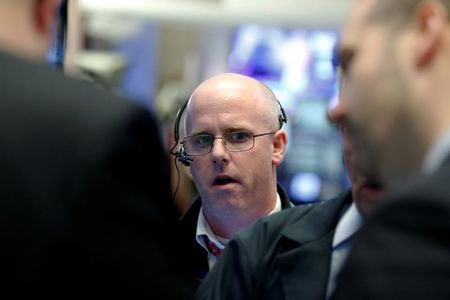
December 2026 is set to be a month fraught with risk events for global markets. Major central bank decisions, potential elections and the aftermath of the Nvidia affair all contribute to the uncertainty. In Tokyo, Satoshi Sugiyama, Lewis Krauskopf in New York, Jesus Aguado in Madrid, and Amanda Cooper, Dhara Ranasinghe, and Karin Strohecker in London are keeping a close eye on developments.
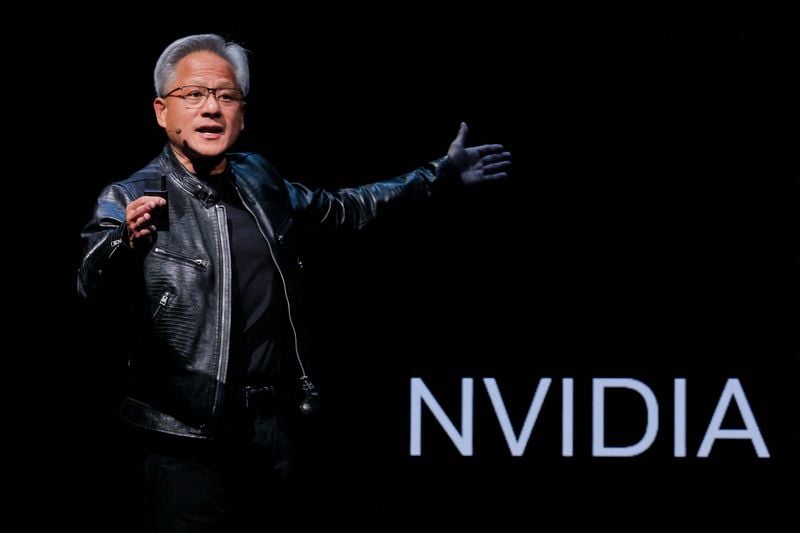
The Middle East war, rising inflation, and doubts about the financial implications of AI trade add to the market turbulence. Nvidia's stock has demonstrated significant volatility, with shares jumping 31% in a single day after the board reinstated CEO Jensen Huang, only to see substantial losses in the following two days. S&P has placed Nvidia under the watchful eye of a downgrade.
Nvidia will face crucial Senate testimony on December 3, followed by Marvell Technology's earnings report in the coming week. Investors may find it challenging to derive lasting comfort from either event. The US labor market report due in the coming week is expected to show a rise in November jobs to 90,000, as predicted by economists. Strong labor market data, coupled with persistently high inflation, strengthens the case for the Federal Reserve to raise interest rates at their December 8-9 meeting.
Upcoming economic reports will delve into manufacturing and services activity, private payrolls, and consumer sentiment. Spanish voters will head to the polls on Sunday in a snap election aimed at leveraging momentum from housing protests. However, the Socialist Party, led by Pedro Sanchez, is trailing in the polls, with the conservative People's Party (PP) and far-right Vox expected to secure a majority.
A PP victory, potentially resulting in tax cuts, could shift focus to the risks of fiscal loosening, though Spain is less of a concern compared to France or Italy.
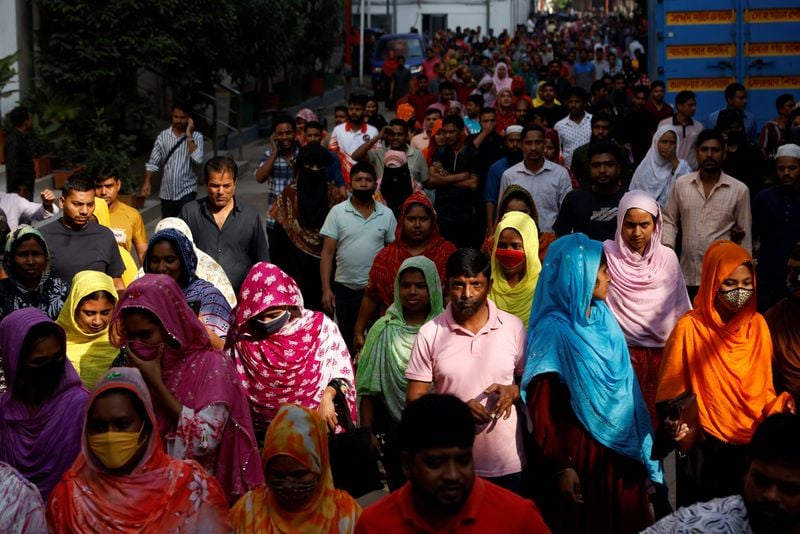
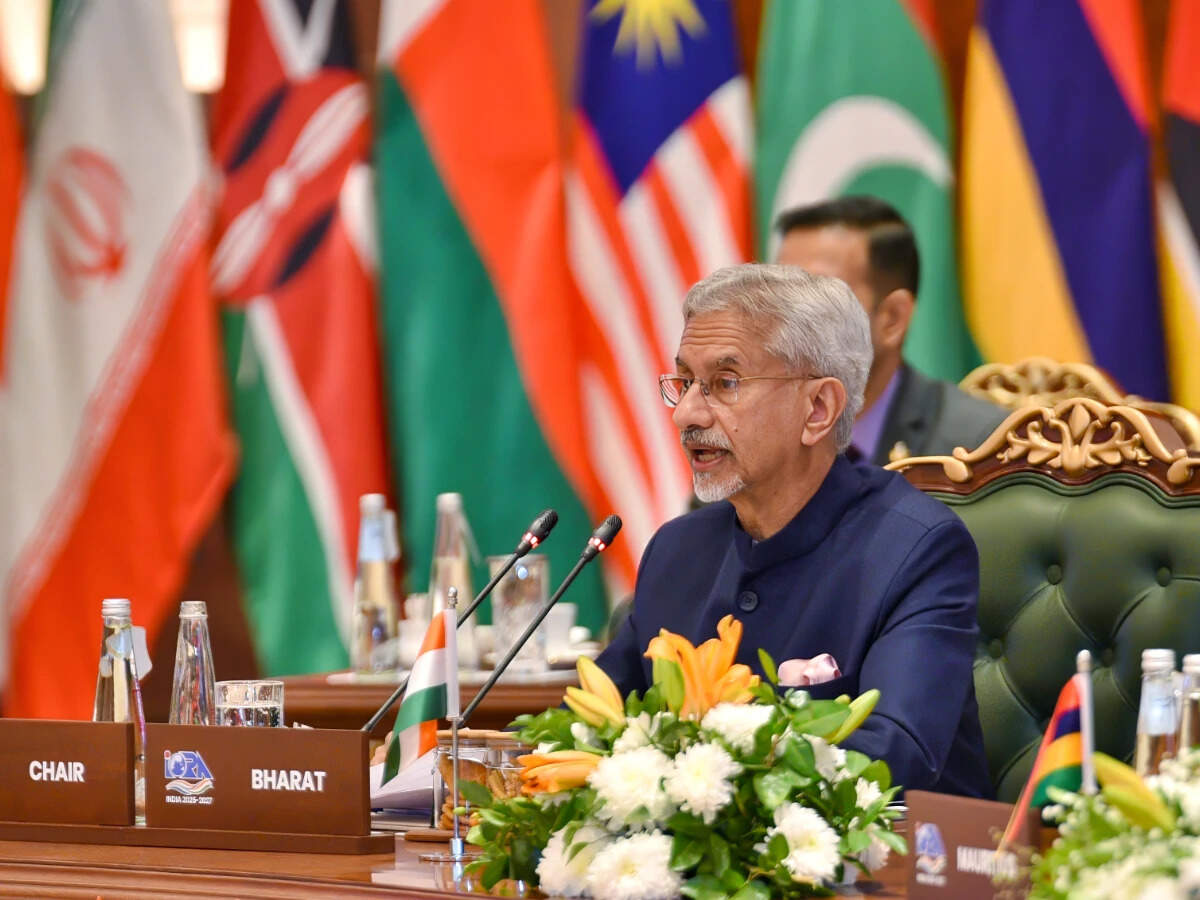
In Europe, the stage is set for a significant election year, with a rightward shift anticipated. The Reserve Bank of India is set to raise interest rates by a quarter point to 5.75% during its three-day monetary policy meeting, the first back-to-back hike since 2022-23. The central bank is under pressure to curb inflation, given the impact of the Middle East war and volatile weather patterns on prices.
Inflation in India breached the 6% threshold in October for the first time in two years, prompting expectations of another rate hike to 6% in February. Analysts foresee room for further policy tightening as Indian economic growth is expected to stay robust.
OPEC+ ministers convene in Vienna on Sunday to tackle significant questions regarding production capacity and future quotas. They must first agree on sustainable production aligned with the resolution of the Strait of Hormuz, a matter beyond their control. Deciding on the appropriate output for 2027 is a formidable challenge, as oil prices are influenced by ample supply and threats to Middle Eastern energy infrastructure.
The group is expected to maintain oil output targets for the first quarter of 2027, but the process of setting quotas is likely to be complicated by disagreements between OPEC+ members.
Rewritten by urgent.news; may contain errors — check the original.
Source: investing.com