Supreme Court refuses to mandate unified portal for tracing unclaimed deposits; cites regulatory reforms
Sucheta Dalal’s petition highlighted the accumulation of unclaimed deposits and investments with financial institutions and the procedural difficulties faced by nominees and legal heirs in recovering them
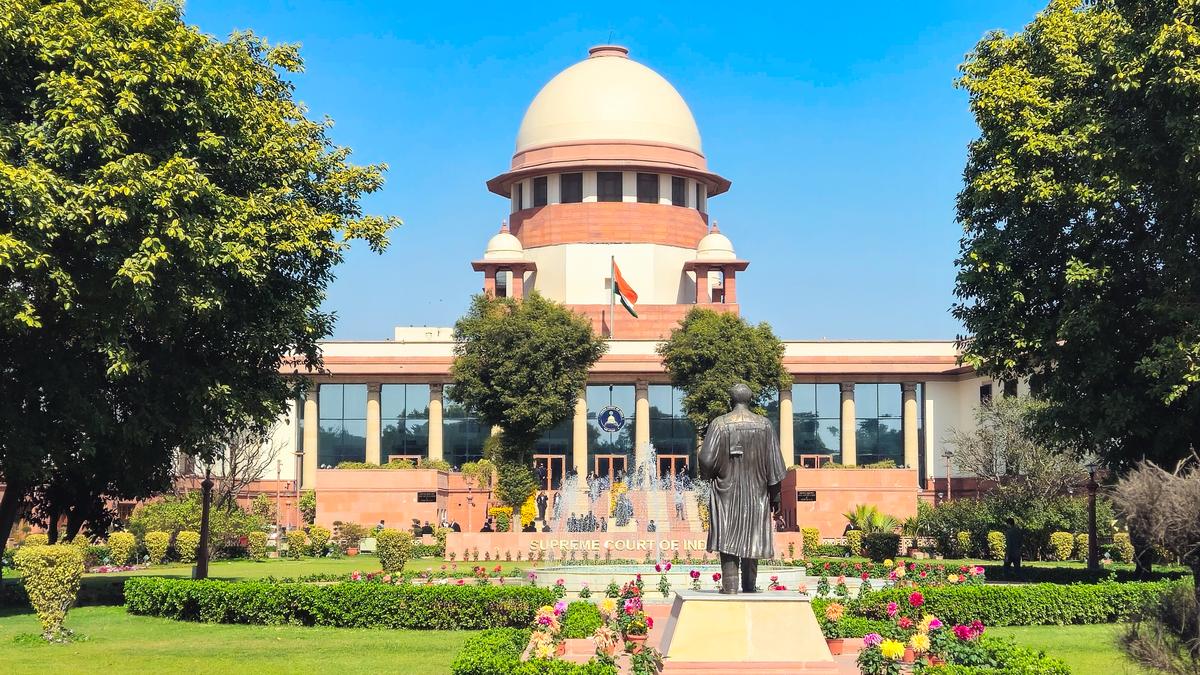
The Supreme Court of India, in a ruling dated November 27, 2026, decided against mandating a unified portal for tracking unclaimed bank deposits, mutual fund investments, and securities among other financial assets. The court's decision came after it reviewed a public interest litigation (PIL) filed by journalist and managing editor of Moneylife magazine, Sucheta Dalal, in 2022.
Justice Vikram Nath and R. Mahadevan, comprising the Bench, acknowledged that significant regulatory reforms had addressed the principal concerns raised in Dalal's petition. These reforms included the establishment of centralized search facilities, simplified claim procedures, strengthened nomination and transmission mechanisms, and public awareness initiatives.
The court highlighted that these measures had led to the recovery of approximately ₹6,453 crore in unclaimed financial assets by April 18, 2026, through a nationwide campaign called 'Aapki Poonji, Aapka Adhikar'.
The petition had sought directions to streamline the settlement of claims by legal heirs for various financial assets, including bank deposits, insurance proceeds, post-office deposits, and other financial instruments. It also emphasized the need for a centralized online database under the Reserve Bank of India (RBI), showcasing account holder details, including names, addresses, and last transaction dates.
However, the court refused to mandate the creation of a unified portal for tracing and reclaiming unclaimed assets. The court explained that several financial sectors function under distinct statutory and regulatory frameworks, each with unique requirements for ownership, verification, and asset transmission. The court noted that while coordination between these mechanisms may be desirable, establishing a unified platform raises questions of regulatory policy, technical feasibility, and administrative coordination.
The court stated that without evidence of a specific violation necessitating judicial intervention, mandating a single institutional arrangement was not necessary or appropriate.
The court also declined to order a general investigation into unclaimed deposits believed to belong to government bodies, welfare schemes, and charitable institutions. It reasoned that the mere existence of such deposits did not indicate any illegality in their transfer to the Depositor Education and Awareness Fund (DEAF) or a failure in regulatory oversight.
The court further stated that it would not issue omnibus directions for penalizing banks over alleged non-compliance with RBI circulars without specific findings of regulatory breaches.
The Bench expressed appreciation for Dalal's efforts in pursuing the litigation, noting that the proceedings were not for personal gain but aimed at safeguarding the financial interests of numerous depositors, investors, and their lawful claimants. The court emphasized that the concerns raised were genuine and the pursuit of appropriate institutional measures reflected a responsible exercise of public interest litigation.
Rewritten by urgent.news; may contain errors — check the original.
Source: thehindu.com