Stop scheduling meetings over lunch
Ever wonder what happened to the front porch? The front porch used to play an important role in everyday life. Neighbors who weren’t necessarily close friends saw each other, stopped to talk, and maintained a sense of community. Then daily life moved indoors. Air-conditioning made staying inside more comfortable, television pulled families into the living room, and backyard patios offered more…
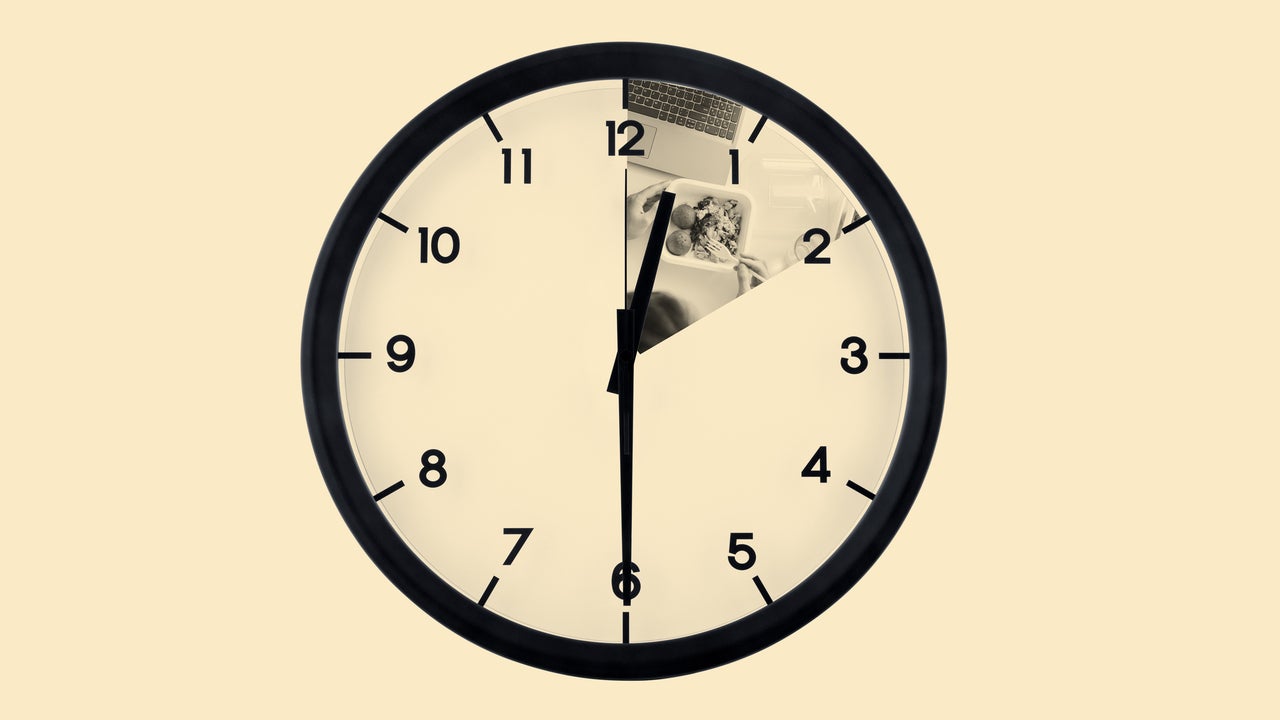
The front porch once served as a vital hub for community interaction, where neighbors casually met and engaged in conversation. However, modern conveniences like air-conditioning, television, and outdoor patios have gradually shifted people indoors, diminishing the front porch's significance. Similarly, the lunch break is facing a similar fate due to advancements in technology and artificial intelligence.
Constant connectivity has blurred the lines between work hours, making it easy for meetings to encroach upon lunch time. Peer pressure also plays a role, as employees often feel compelled to accept lunch meetings or skip lunch altogether, fearing they will be perceived as unproductive. Leaders must recognize the importance of lunch breaks and actively promote a culture that values taking a break, whether it's to eat with colleagues, take a walk, or simply be alone.
Creating protected time in the workday, modeling the behavior of not scheduling meetings during lunch, and treating skipped lunches as a significant signal can help preserve this essential opportunity for human connection and mental reset.
Rewritten by urgent.news; may contain errors — check the original.
Source: fastcompany.com