Starshield is back over Ukrainian-held land, but interceptors still can’t catch jet Shaheds over occupied land, Zelenskyy says
The president says Kyiv's questions about who capped SpaceX's military satellite service bounce between sides like ping pong
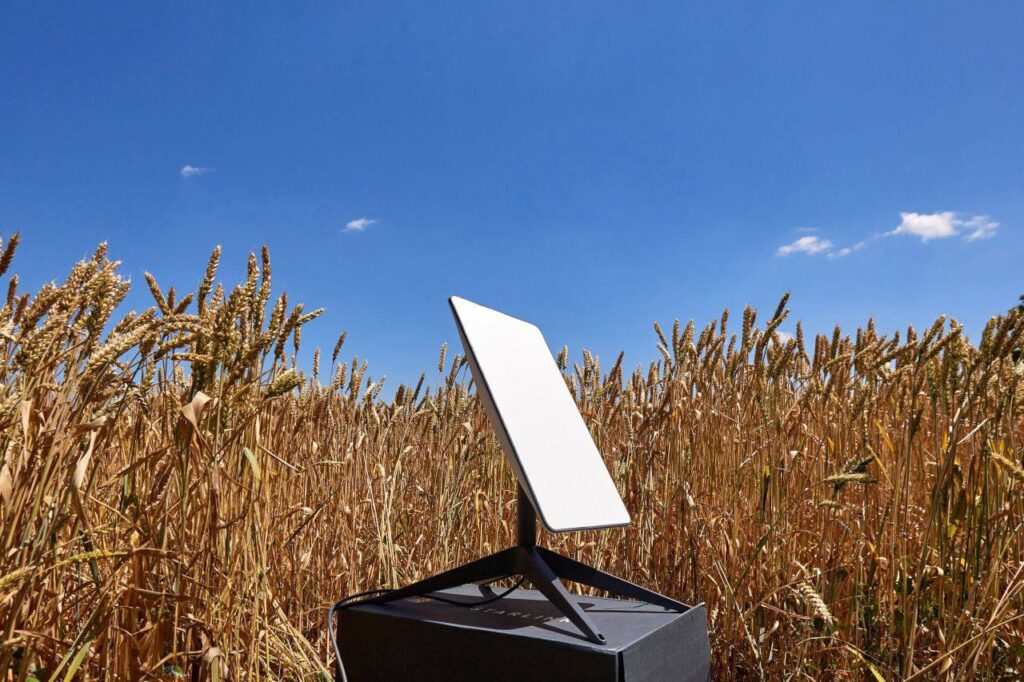
Ukrainian President Volodymyr Zelenskyy disclosed that the reason behind the Starshield, a military version of SpaceX's Starlink, being limited in speed over Russian-occupied areas remains unknown politically. While SpaceX provided the technology, the political motives behind the restrictions were unclear, according to Zelenskyy in an interview with BBC's Sarah Rainsford.
He mentioned that the United States had sent positive signals after earlier issues, and the system was operational once again over Ukrainian-controlled territories. However, the Ukrainian forces utilizing Starshield to intercept Russia's jet-powered Shaheds could no longer bring the drones down near the front lines, as reported by Interfax-Ukraine on 14 November based on Zelenskyy's remarks to reporters the day prior.
The forces now had to intercept the Shaheds elsewhere, offering Russia more opportunities to strike. In October, Zelenskyy had announced that once a Ukrainian drone surpassed the speed limit, its terminal would shut down, rendering the drone useless. Two weeks after setting the new limits on 12 November, he asserted that he was still uncertain who made the political decision for these restrictions.
The interview excerpts did not specify a current speed figure. Two days prior, Zelenskyy stated that the speed limit over occupied territory was 161 km/h. Zelenskyy described his search for answers as a "ping pong" game between the sides, with each accusing the other of imposing the limits while the other denied responsibility. On 13 November, Zelenskyy mentioned that SpaceX informed Ukraine's Defense Ministry it was not restricting anything and blamed the issue on a technical problem, which he dismissed.
On 16 November, Ukraine's chargé d'affaires in Washington, Denys Sienik, wrote that US media told the embassy that the Pentagon claimed no restrictions were in place, which he deemed inconsistent with the reality on the ground. This dispute mirrored an earlier one in October, where Elon Musk tweeted that the US government owned and controlled Starshield, and the limits on its speed or usage were determined by the US military and ultimately the President.
Three officials, including two Americans, told Reuters that the order to slow Starshield originated from within the White House, though the White House denied any such request from President Donald Trump. On 19 October, Zelenskyy reported that Starlink and Starshield equipment on parts of the front line ceased functioning at speeds between 130–161 km/h.
The Pentagon denied any involvement, stating that Starlink could make such decisions under its service terms. On 24 October, Ukraine's Defense Minister Yevhenii Khmara announced that Starlink and Starshield connections were stabilized again at speeds above 400 km/h. Ukraine's Starshield contract with the US government is set to expire next year, and Kyiv is seeking negotiations for a new agreement.
When Zelenskyy reported the new speed limits on 12 November, he mentioned that the units had already been tracking them for several days.
Rewritten by urgent.news; may contain errors — check the original.
Source: euromaidanpress.com