Sri Lanka deploys ‘elephant army’ to protect rare tuskers, but experts urge caution
A beloved male elephant named Kavantissa that frequented a rural village in Sri Lanka recently died from a gunshot injury, sparking public outrage. Environmentalists condemned authorities for what they called a “lack of care” for this iconic elephant, while local animal rights groups demanded an independent investigation into the death. In response, the Sri Lankan […]
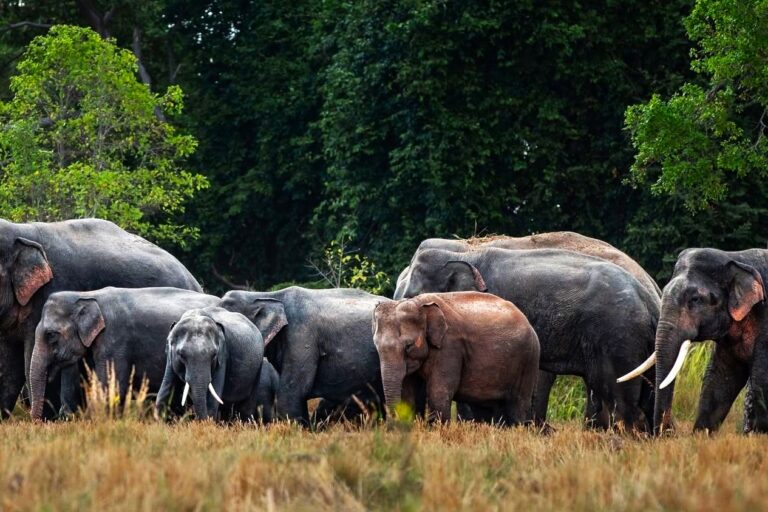
In Sri Lanka, the government has introduced a new initiative called the "Elephant Army," a military operation consisting of around 100 personnel from armed forces, wildlife, and civil defense departments. The objective of this force is to prevent elephant killings, curb wildlife crime, and enhance surveillance in areas frequently visited by elephants and humans.
The move comes after the recent death of a beloved male elephant named Kavantissa, who was shot in a rural village, provoking public outrage. Environmentalists and animal rights groups have criticized the authorities for the elephant's death, calling for an independent investigation.
Tuskers, or male Asian elephants (Elephas maximus) with large tusks, are rare in Sri Lanka. A 1999 study estimated that only about 7.5% of male elephants are tuskers, with Wild Tuskers Sri Lanka (WTS) documenting 300 such elephants over the past decade. WTS has identified 17 tuskers as being at high risk and requiring immediate monitoring, primarily due to their proximity to human settlements. The organization has shared the detailed profiles of these 17 elephants with government and military officials.
While the government's deployment of the Elephant Army aims to protect these rare tuskers, wildlife experts urge caution. The initiative may inadvertently escalate tensions between humans and elephants, given the overlap of their ranges with human settlements. As such, careful consideration must be given to the potential impact of this high-profile military operation on human-elephant coexistence.
Rewritten by urgent.news; may contain errors — check the original.
Source: news.mongabay.com