SPECIAL REPORT… FORGOTTEN VIGILANTES: Sad tales of deceased, wounded Nigerian volunteer fighters (PART 1)
Across north-western and north-central Nigeria, civilian vigilantes risk their lives to protect communities from armed groups. But when…
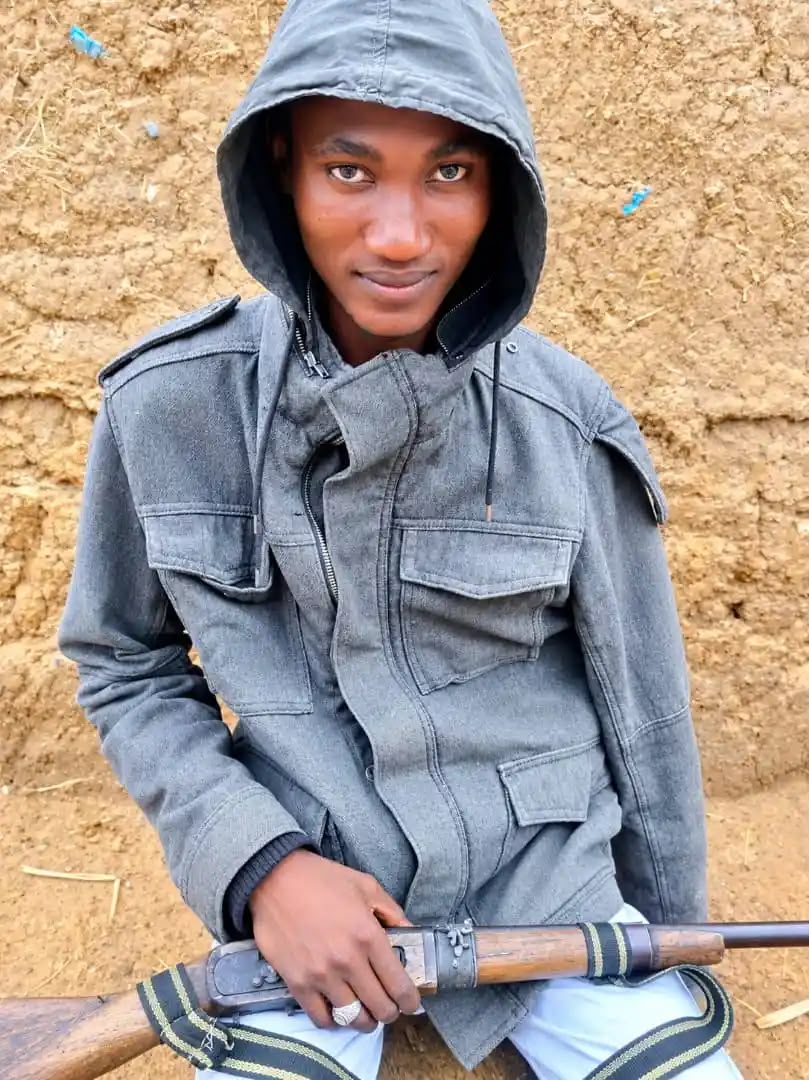
In the north-western and north-central regions of Nigeria, civilian vigilantes face grave dangers in their attempts to shield communities from armed groups. Regrettably, many of these brave volunteers find themselves bereft of any support after sustaining injuries or losing their lives in the line of duty. A recent investigation by The ICIR in Zamfara, Niger, and Kogi states sheds light on the dire welfare challenges faced by these selfless individuals, including the lack of proper medical care, insurance, and compensation for their families.
Mustafa Usman delves into the harrowing experiences of Abdullahi Ibrahim, a former vigilante whose left hand was amputated in 2024 during a gunfight against bandits in his village of Gima, Anka Local Government Area, Zamfara State. The 2020 bandit attacks against Gima forced Ibrahim to join the ranks of community defenders, yet his act of heroism now exacts a steep price.
Despite his ongoing commitment to safeguarding his community, the single-handed burden of mounting medical bills and financial hardship leaves him grappling with an uncertain future. Ibrahim's story is far from unique among Nigeria's civilian vigilantes. Across the nation, these self-appointed protectors increasingly serve as the primary line of defense in areas plagued by persistent armed group attacks.
Some vigilantes operate under government guidance, whereas others function independently, pooling resources to purchase essential equipment and sustain their operations. In Zamfara, Niger, and Kogi states, government-backed vigilante groups such as the Community Protection Guards (CPGs), Niger State Vigilante Corps (NSVC), and Kogi State Vigilante Service exemplify these partnerships.
Meanwhile, independent vigilantes, often dubbed 'Yan sa-kai' or 'volunteers,' rely solely on community support. These groups have actively collaborated with security agencies to rescue kidnapped victims, protect farmlands, and facilitate the handover of suspects to law enforcement. Despite their invaluable contributions, community vigilantes often encounter little to no assistance when injury or death befalls them.
Government and vigilante leaders in Zamfara, Niger, and Kogi states reveal a glaring absence of support structures for injured or deceased vigilantes and their families. National employment laws offer limited, if any, compensation for work-related injuries and fatalities to these unsung heroes. Moreover, the International Labour Organisation's standards for work-related injury benefits remain unratified in Nigeria, leaving community vigilantes without any formal safety net.
As Nigeria grapples with the consequences of armed violence, it becomes increasingly clear that the protection and support of its civilian vigilantes must be a priority. Their resilience and selflessness deserve recognition and assistance, ensuring that their sacrifices do not go unnoticed or unremunerated.
Rewritten by urgent.news; may contain errors — check the original.
Source: ripplesnigeria.com