Singapore 'engaging' with local firms over US chip restrictions
SINGAPORE — Singapore said Friday it was "engaging" with local businesses over tightened U.S. export controls on advanced AI chips designed by tech titan Nvidia. But Deputy Prime Minister Gan Kim Yong said he was unable to confirm reports that the U.S. firm had halted server shipments to four Southeast Asian countries. Citing national security concerns, the United States has since 2022 restricted…
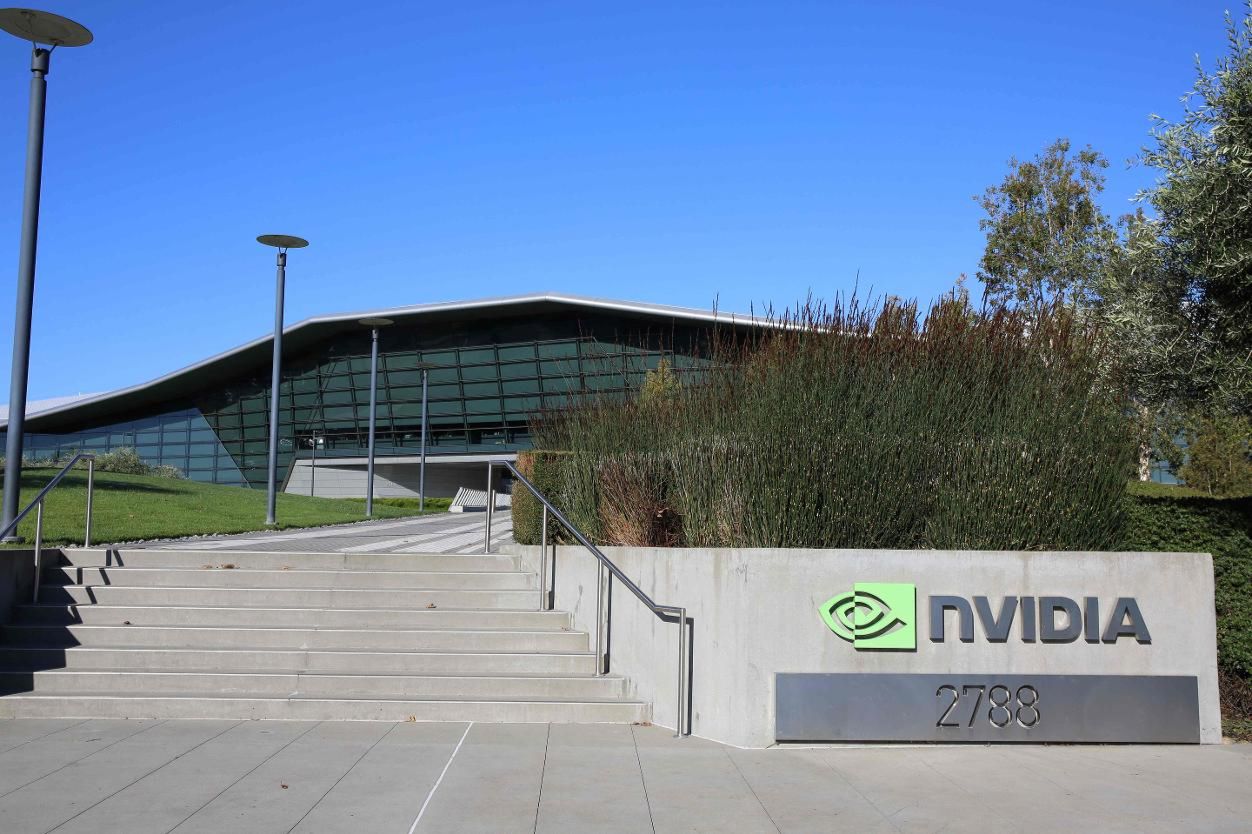
Singapore is assessing the impact of US export controls on local businesses that manufacture and handle advanced artificial intelligence (AI) chips, Deputy Prime Minister Gan Kim Yong announced at a recent summit. The uncertainty surrounding potential shipment restrictions from Nvidia led to Gan's remarks, as the government has not yet confirmed the reports.
The announcement comes after Nvidia reportedly instructed its manufacturing partners to halt shipments of servers containing its chips to Singapore, Malaysia, Thailand, and Indonesia, according to a Financial Times report. Companies like Dell and Supermicro, which incorporate Nvidia chips into servers, have likewise informed their clients that orders cannot be processed.
The nature of the suspension remains unclear, as the manufacturers work to comply with the new regulations. The US recently imposed stringent restrictions on advanced semiconductor exports to several nations, including Singapore, citing concerns over potential diversion of the chips to China. In response, companies must obtain licenses to export, re-export, or transfer specific advanced chips to Singapore, Malaysia, Thailand, Indonesia, and Brazil.
The aim is to prevent Chinese entities from accessing advanced AI computing power through data centers in other countries. Chinese firms have reportedly leased computing capacity from cloud providers utilizing Nvidia-chip-equipped servers, thereby gaining access to technology restricted for direct export to China. The new rules necessitate cloud providers to secure licenses before serving restricted entities, potentially impacting firms supplying computing power to Chinese AI developers.
Rewritten by urgent.news; may contain errors — check the original.
Sources: hindustantimes.com · freemalaysiatoday.com · koreatimes.co.kr
This story
This is one outlet's version. Read the fullest account.
- Singapore engaging local firms over US chip restrictions, says deputy PM hindustantimes.com
- Singapore ‘engaging’ with local firms over US chip restrictions freemalaysiatoday.com
- Singapore 'engaging' with local firms over US chip restrictions koreatimes.co.kr