Scientists Report Strong Evidence That Specially Bred Mosquitoes Can Fend Off Dengue
(MedPage Today) -- Children who lived in Brazilian neighborhoods buzzing with a special kind of mosquito were far less likely to catch dengue or another worrisome virus, chikungunya, researchers reported. The major study of more than 5,700 children...
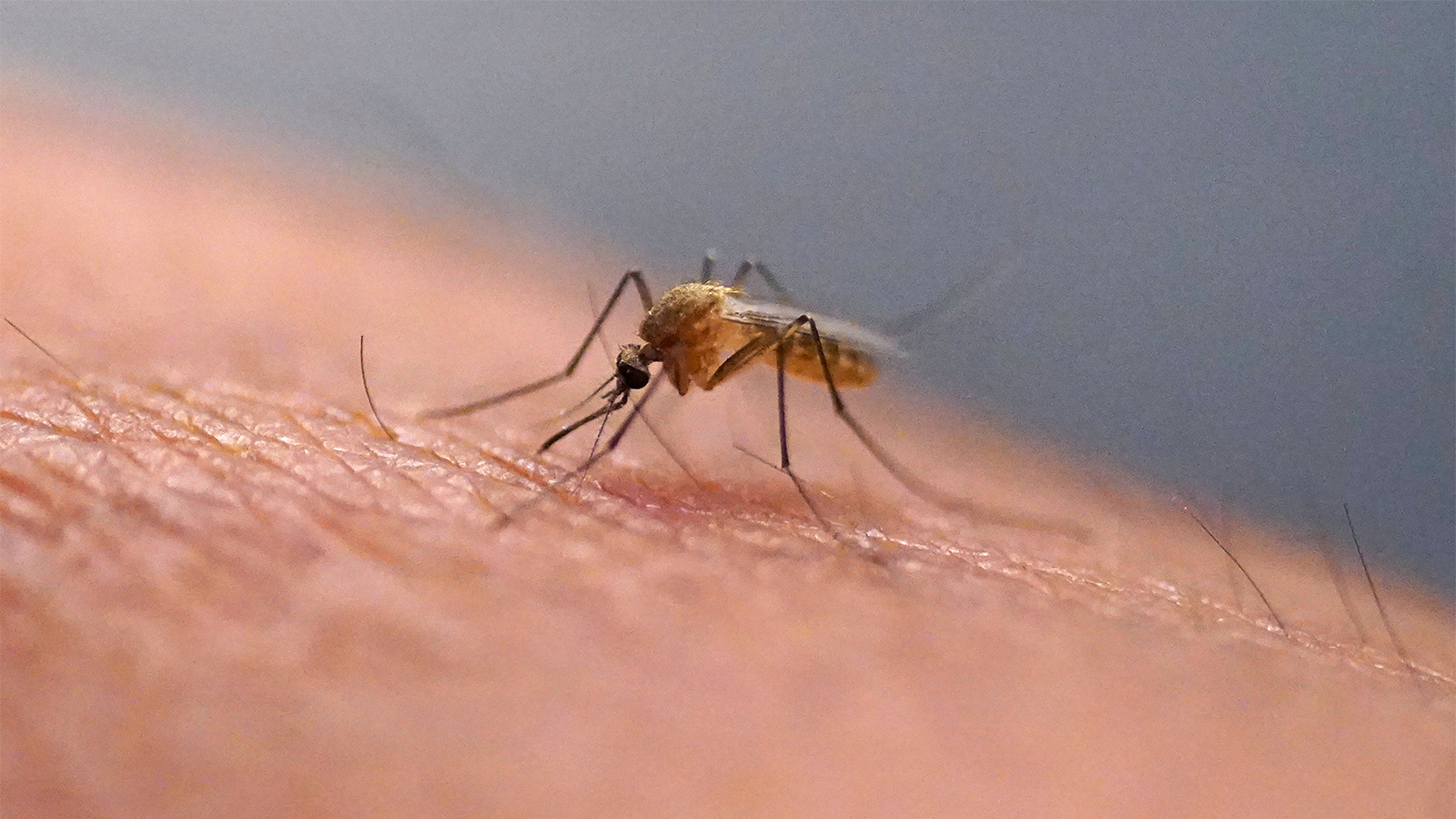
A major study involving over 5,700 children in Brazilian neighborhoods teeming with a unique breed of mosquito has yielded compelling evidence that these specially bred insects can significantly curb the spread of dengue and chikungunya viruses, according to researchers. The study, which took place in one of the world's dengue hotspots, offers fresh insights into the viability of breeding mosquitoes that cannot transmit these diseases as a standalone strategy, rather than a supplementary measure to pesticides and bite avoidance.
In areas populated by the Wolbachia-carrying mosquitoes, researchers observed a substantial 69% reduction in dengue and chikungunya infections among schoolchildren compared to similar neighborhoods. This effect persisted even during Brazil's severe 2024 dengue outbreak, as reported by Sri Edupuganti, MD, MPH, of Emory University, who was part of the international research team.
The findings were presented at a meeting of the American Society of Tropical Medicine and Hygiene, with many experts, including Dr. David Hamer from Boston University, expressing excitement over the potential of Wolbachia mosquitoes in curbing dengue infections to much lower levels globally.
The innovative strategy of using Wolbachia mosquitoes comes at a critical time, as Florida is grappling with an unusually large outbreak of dengue, which is reportedly the biggest in any U.S. state since at least the 1940s. While dengue is typically confined to travelers in the continental U.S., Florida has recorded over 650 locally acquired cases, primarily in Hillsborough County.
Outside the U.S., the nonprofit World Mosquito Program has been at the forefront of promoting the Wolbachia strategy, which works by breeding mosquitoes to carry a harmless bacteria called Wolbachia that significantly reduces their ability to transmit certain viruses. Female mosquitoes spread this bacteria to their offspring, allowing it to gradually become established in the local mosquito population.
Previous field trials and studies in Indonesia and other regions have demonstrated that the Wolbachia strategy can effectively lower dengue diagnoses. However, the new Brazilian study provides a more comprehensive assessment. Researchers expanded their analysis to include blood tests for signs of dengue, chikungunya, or the Zika virus.
The four-year study compared children living in neighborhoods that received identical pesticide and mosquito-control interventions, with half of the areas being randomly assigned to have Wolbachia mosquitoes released into the environment. As there were too few cases of Zika to calculate the mosquitoes' impact on this disease specifically, the study's results provide strong evidence for the potential of Wolbachia mosquitoes in controlling dengue and chikungunya outbreaks.
Rewritten by urgent.news; may contain errors — check the original.
Source: medpagetoday.com