Richmond Adu-Poku: Artistes should not be condemned for supporting a political party
We need artistes courageous enough to speak truth to power, and politicians humble enough to listen when the music is no longer flattering.
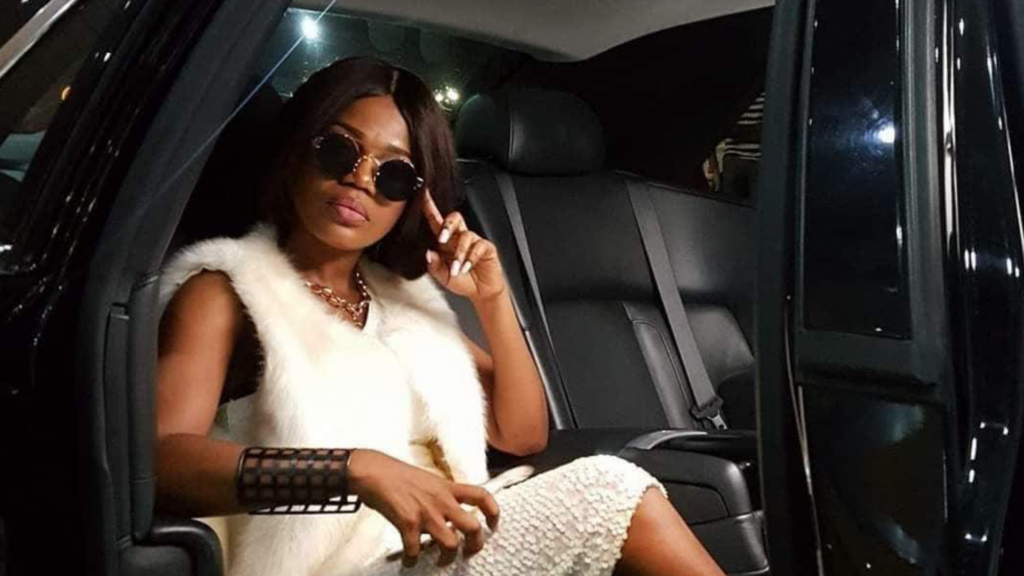
In Ghana, the relationship between musicians and politicians is a familiar one during election years. As politicians become more approachable and politicians shower musicians with attention, artists who have been silent on political matters suddenly find themselves performing on campaign platforms. While musicians are among the most influential voices in society, with their songs reaching wider audiences than political speeches, this arrangement can lead to confusion over whether artists are expressing genuine political convictions or merely fulfilling contractual obligations.
The issue lies in the blurred line between genuine political conviction and professionally negotiated endorsements. While it is not inherently wrong for musicians to be paid to perform at political events, the presentation of paid performances as endorsements raises concerns. Politicians often court musicians for their popularity and access to audiences, offering visibility and financial opportunities.
However, the danger arises when the public cannot distinguish between a musician's personal convictions and a commercially arranged endorsement.
Musicians have a significant responsibility, particularly among young people, to use their influence thoughtfully. While they have every right to discuss public issues like unemployment, education, corruption, and healthcare, using their platforms to replace critical thinking with mere political slogans undermines their role as advocates for accountability.
It is crucial that musicians understand what they endorse and are prepared to defend their positions, avoiding the spread of misinformation simply to benefit their preferred political camp.
Politicians, on the other hand, must stop treating musicians as mere decorations on campaign platforms. Engaging with musicians' concerns about royalties, copyright protection, financing, infrastructure, and employment would foster a more meaningful relationship between the creative industry and the political arena. Freedom of expression must remain intact, but political endorsements should be backed by honesty and responsibility.
Politicians should invite musicians into substantive conversations about creative industry policy, rather than relying on campaign appearances alone.
In conclusion, the relationship between Ghanaian musicians and politicians during election years is a complex one. While it is permissible for artists to support political parties and candidates, they must ensure that their endorsements reflect genuine convictions rather than contractual obligations. Politicians, too, must recognize the importance of engaging with musicians' perspectives on industry policies and support the creative arts beyond election seasons.
Only then can this relationship foster genuine progress in both the music industry and national discourse.
Rewritten by urgent.news; may contain errors — check the original.
Source: myjoyonline.com