Refugee families use agroforestry to restore degraded landscape in Bangladesh camp
KUTUPALONG REFUGEE CAMP, Bangladesh —”It is like a jail, but it isn’t a jail,” says Roshid Ahamed Bin, a 47-year-old Rohingya farmer, living in what is now a refugee camp in Bangladesh. It is far from the farmland where he used to live in Myanmar, before he and thousands of Rohingya people like him fled […]
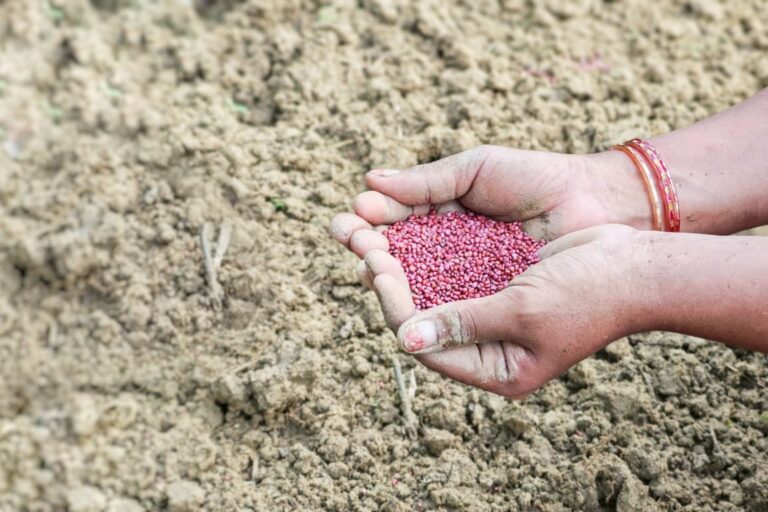
Kutupalong Refugee Camp, located in Bangladesh, serves as a refugee settlement housing over 1.1 million Rohingya people who fled persecution in Myanmar eight years ago. With limited space and the loss of evergreen forests, families are implementing a unique approach to restore the degraded landscape while helping themselves become self-sufficient due to significant cuts in international food aid.
In response to the situation, refugees are combining NGO-funded farming projects with traditional Rohingya agroecology techniques to create agroforestry plots. By doing so, they are not only restoring land but also preserving their ancestors' heritage, as they grow the same crops they cultivated in Myanmar. Amina Khatun, a 58-year-old refugee living in Camp 1W, expressed her feelings about the camp, saying, "It is like a jail, but it isn’t a jail."
Rewritten by urgent.news; may contain errors — check the original.
Source: news.mongabay.com