Read an extract from The Age of Alchemy by Kit Chapman
In this extract from Kit Chapman’s award-winning popular science book The Age of Alchemy, the December read for the New Scientist Book Club, we learn of the rediscovery of the Leiden Papyrus X, the oldest surviving alchemy book in history
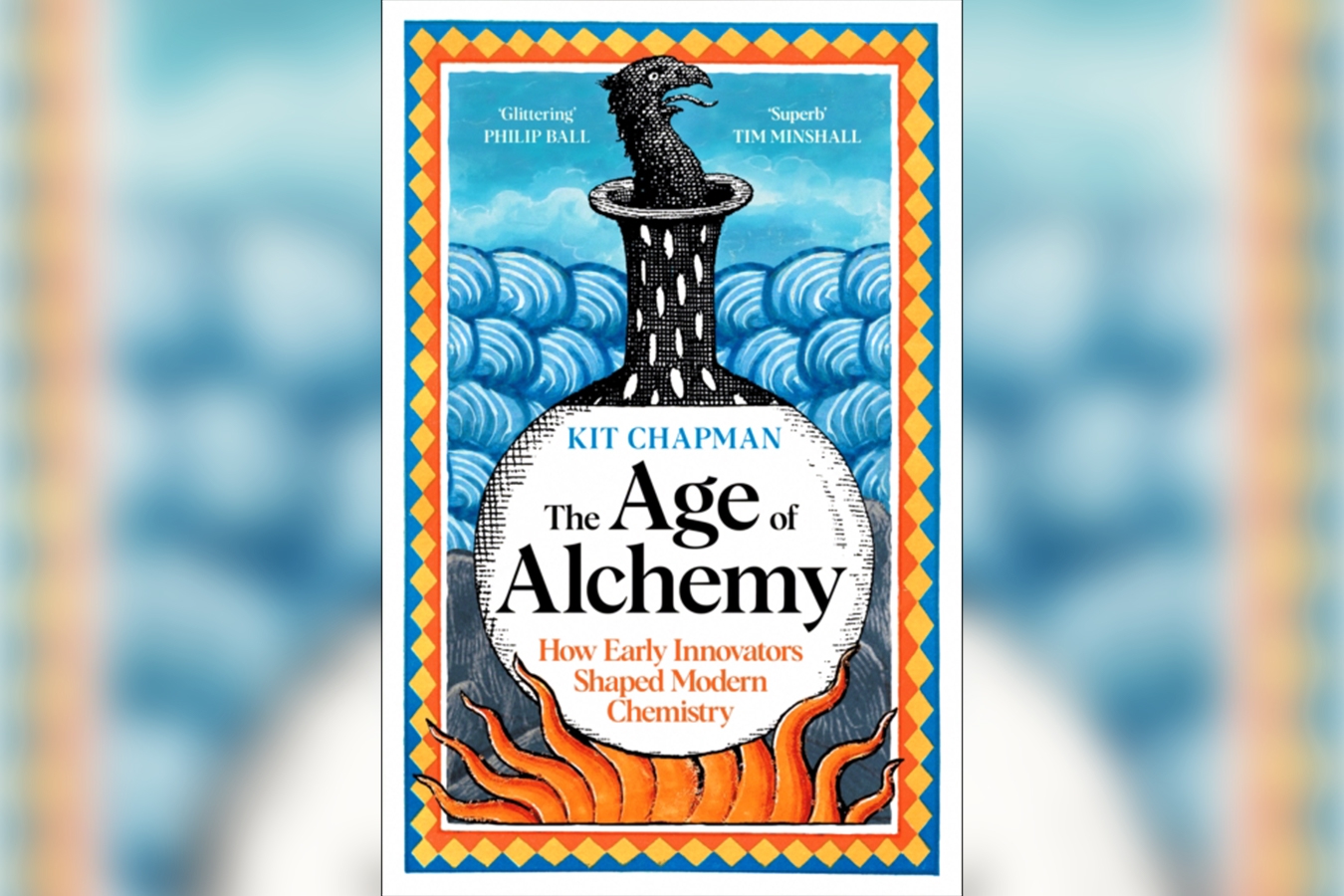
In December, the New Scientist Book Club is delving into Kit Chapman's "The Age of Alchemy". Amid the sands of Egypt, a graverobber stumbled upon a treasure: a collection of papyrus scrolls, sealed against the elements. Initially, the raider considered leaving the scrolls to the desert, but greed overtook him. He sold the scrolls to Jean d’Anastasy, a savvy grain merchant and Consul General for Sweden and Norway.
D’Anastasy recognized the value of the documents and shipped them back to Europe, where they ended up at Stockholm and Leiden University.
Among the Leiden trove lay a remarkable find: the oldest surviving alchemy book in history. Known as Leiden Papyrus X, it was written around 300 CE and contained recipes for creating wondrous riches. The book provided methods for polishing silverware, creating faux purple robes, and generating gold lettering. One of the most significant secrets in the book is the "invention of sulfur water", a recipe for creating an appearance of gold.
The recipe involves mixing sulfur and lime (calcium oxide) with strong vinegar or small child's urine, heating the mixture until it resembles blood. The result is a red-brown goop, calcium polysulfides, which can give metals a thin, yellowy coating. Although the recipe should not be attempted at home due to its hazardous nature, it served as a means of trickery in ancient times.
The Leiden Papyrus X is not merely the oldest alchemy book; it is also a guide for tricksters, revealing a more fascinating truth behind its ancient origins.
Rewritten by urgent.news; may contain errors — check the original.
Source: newscientist.com