Rabattaktion: Der Black Friday zwischen Hype und Skepsis
50 Prozent Rabatt, Countdown-Uhren, rote Streichpreise: Der Black Friday verspricht das große Schnäppchen. Doch kaum eine Nation blickt so skeptisch auf die Rabattaktion wie die Deutschen.
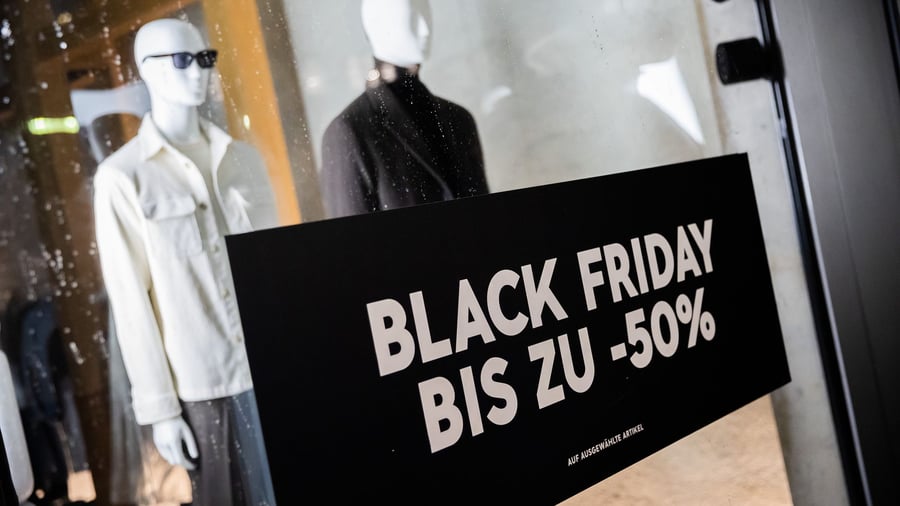
Black Friday, a hype and a hot topic of skepticism in Germany, brings along discounts and promotions. This American sales phenomenon has grown popular in Germany, especially online and in-store, leading up to Christmas. The importance of these action days, the consumer interest, and the skepticism surrounding special offers are key factors to consider.
According to a representative survey by PwC, nearly half of German consumers plan to make a purchase on Black Friday, with an average spending of nearly €300, an increase of 12% compared to the previous year. Electronic goods and fashion are particularly sought after. Marcus Kroth, a retail expert at BCG, notes that despite economic difficulties, consumers need to be convinced that deals are worth it.
Concerns about rising prices for essential goods like food and energy affect 77% of Germans, who resort to cost-saving measures. There is a noticeable split in consumer interest in Black Friday, similar to Halloween. Younger and digitally savvy groups show greater euphoria and consumption readiness, while many people view Black Friday as "American quackery."
Skepticism stems mainly from mistrust in advertised prices, with only 37% of German consumers trusting that promoted Black Friday prices are significantly reduced. This is 17 percentage points lower than the global average and one of the lowest values among surveyed countries. Consumer portals, news programs, and critical reporting might be part of the reason for this skepticism in Germany.
For retail businesses, the significance of Black Friday is immense. The German Retail Association (HDE) predicts a turnover of €6.2 billion for the two action days, Black Friday and Cyber Monday, representing a 6% increase compared to the previous year and a new peak value. However, companies often earn up to 5% of their annual turnover on Black Friday alone.
The dilemma for businesses is that while Black Friday generates revenue, it may also lead to reduced sales during the Christmas shopping period, as noted by economist and retail expert Gerrit Heinemann.
A PwC study supports this view, showing that three out of four consumers buy at least some of their gifts around Black Friday. In the previous year, more than half of the surveyed companies attributed over ten percent of their Christmas sales to the action days, with almost a third even attributing more than 20 percent.
The latest data from market research institute NIQ also shows that Black Friday generates demand but rarely creates new demand. For consumers, the abundance of deals raises caution. Consumer protection advocates advise against being swayed by non-binding price recommendations and suggest comparing the discount price with the usual sale price on the product's usual sales price to understand the actual savings.
Rewritten by urgent.news; may contain errors — check the original.
Source: handelsblatt.com