Psilocybin-assisted therapy linked to reduced drinking and higher odds of abstinence
A new meta-analysis of six modern clinical trials links psilocybin-assisted therapy to moderate short-term drops in drinking and nearly triple the odds of remaining abstinent months later, with mostly mild side effects.
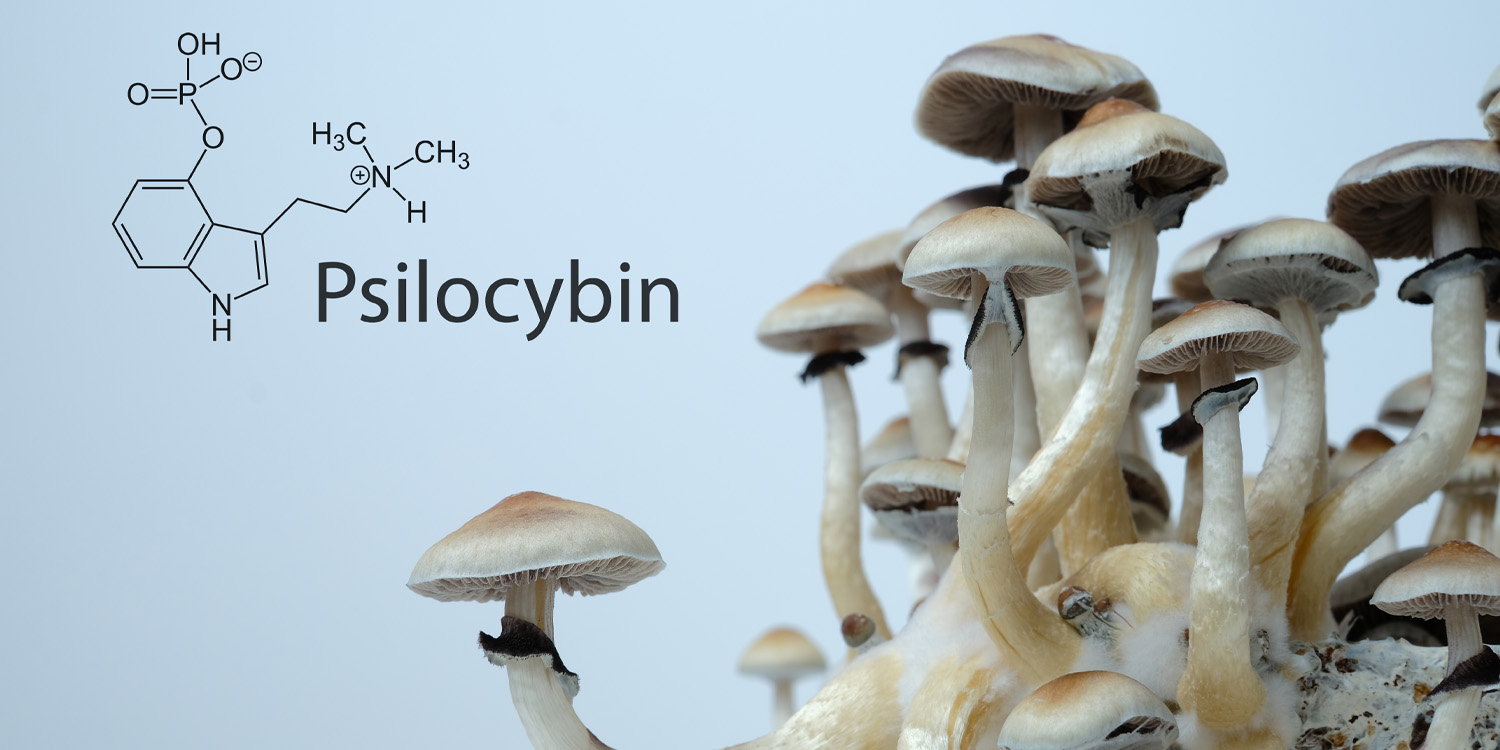
A recent systematic review and meta-analysis of six clinical trials suggests that psilocybin-assisted therapy may help reduce alcohol consumption and increase the likelihood of abstinence in individuals with alcohol use disorder. Psilocybin, the active ingredient in certain mushrooms, is administered under medical supervision as part of a treatment regimen that includes counseling before and after the dose.
The review, led by researchers from the University Hospital of Adult Psychiatry and Psychotherapy at the University of Bern in Switzerland, found that the treatment was generally well-tolerated, with mostly mild and temporary side effects. While the long-term benefits varied across the studies, the findings indicate that psilocybin-assisted therapy could potentially become a valuable addition to existing addiction care options.
Alcohol use disorder is a chronic medical condition characterized by an inability to control or stop alcohol consumption despite significant harm to one's health, relationships, or daily responsibilities. Current standard care involves medications like naltrexone or acamprosate, as well as psychotherapies such as cognitive behavioral therapy and motivational interviewing.
Despite these treatment options, many patients continue to engage in heavy drinking, prompting interest in novel therapeutic approaches. Previous research has suggested that psilocybin-assisted therapy might be beneficial for alcohol use disorder, as early brain imaging studies have shown increased activity in decision-making regions of the brain and reduced activity in areas associated with emotional processing during alcohol and emotional cues.
The first clinical trial of psilocybin for alcohol dependence, conducted in 2015, found significant reductions in drinking after psilocybin sessions combined with talk therapy. Subsequent placebo-controlled trials yielded mixed results, with some showing fewer heavy drinking days and others finding no significant advantage. The new meta-analysis aims to provide a more comprehensive assessment of contemporary psilocybin studies for alcohol use disorder, with six trials involving 202 adults from the United States, France, Switzerland, and Denmark.
The studies utilized varying psilocybin doses, typically between 25 and 40 milligrams, and included 12 weeks of therapy sessions using different psychotherapeutic approaches.
Rewritten by urgent.news; may contain errors — check the original.
Source: psypost.org