O relatório da discórdia na Opep
Pela primeira vez em sua história, a Organização dos Países Exportadores de Petróleo e Aliados (Opep+) pediu a consultorias externas um estudo para descobrir a verdadeira capacidade de produção de seus membros. O documento já provoca discórdia.
For the first time in its history, the Organization of the Petroleum Exporting Countries and Allies (OPEC+) has sought external consultants to conduct a study to determine the true production capacity of its member countries. The report has already sparked controversy, as it was sent to members for official presentation over the weekend.
If approved by all, it will serve as a basis for each country's production goals for the coming year. The conclusions of the audit could directly impact the amount of barrels each country is allowed to produce. Disputes over production strategy are common within the cartel, with some countries demanding larger quotas due to fiscal difficulties.
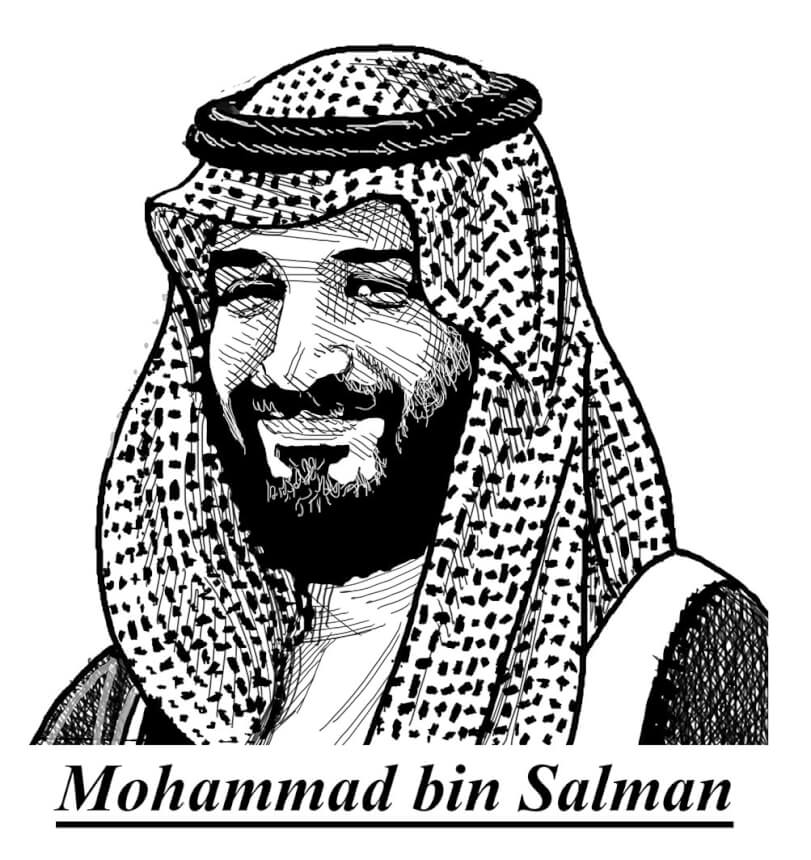
Saudi Arabia, the informal leader of the group, plans to use the numbers to argue for a reduction in production after October became the first month since the start of the US-Iran war that global oil output exceeded demand. Iraq has already expressed its rejection of the study's results regarding its capacity. The report states that Iraq can sustainably produce just under 5 million barrels per day, while Baghdad claims the correct figure is 5.2 million.
The definition of oil production for 2027 also interests the United Arab Emirates, which was the third-largest OPEC producer before leaving the cartel in May due to disagreements with the group's decisions and now produces above its daily quota. The UAE pumped 4 million barrels per day in the past month as global supply returned to a surplus, a jump from its previous quota of 3.4 million.
"Every barrel OPEC+ retains to support prices is a barrel the UAE could sell instead," says a Rystad Energy report, noting that retaining barrels is a direct risk to the UAE's revenue. Iraq's complaints about OPEC+'s production controls are not new, and the country has considered following the UAE's path if it cannot reach its claimed total potential.
The war in Iran adds another factor affecting relations between Riyadh and Baghdad, with Iranian-backed rebel groups launching attacks on Saudi Arabia from Iraq, areas over which the Iraqi government has no full control. The audit of OPEC+ production was carried out by US-based consultants DeGolyer and MacNaughton and the Indian Shri Chandra Group.
The work was hampered by the wars in Ukraine and the Middle East, which not only affected the output of major producers but also the commercial flow due to the closure of the Strait of Hormuz, a solution still pending. "OPEC+ is being asked to define quotas for a market whose balance in 2027 depends entirely on how quickly the Strait of Hormuz is reopened to commercial traffic, something none of them control," says Rystad in a report.
The report's data still needs to be accepted by all OPEC+ members to be used as a reference for defining production quotas for the next year. On Sunday, OPEC+ Secretary-General Haitham Al Ghais hailed the completion of the survey as "an important step towards greater transparency, consistency, and confidence in the production reference framework of the participating countries."
From February to September, OPEC+ raised its collective production target by over 1.1 million barrels per day, but the increase was deemed insufficient to curb the global price spike. Now, despite the Hormuz Strait remaining under Iranian control, more oil is reaching international markets through alternative routes, helping generate the supply surplus in October (although the continuation of this trend is uncertain due to the risks still present in the region).
In its attempt to rebalance the market, OPEC+ may also struggle to demand production cuts from group countries at war, such as Russia and Iran, as it would represent a significant loss of revenue at a time when their economies are under pressure.
Rewritten by urgent.news; may contain errors — check the original.
Source: braziljournal.com