NASA’s NG-25 Mission to Launch Pioneering Space Crops Research
NASA experiments, including a first-of-its-kind space crop production system, will travel to the International Space Station aboard Northrop Grumman’s 25th Commercial Resupply Services mission for the agency. Investigations from NASA’s Biological and Physical Sciences Division will advance research that benefits life on Earth and future exploration, expanding knowledge of space crops and human…
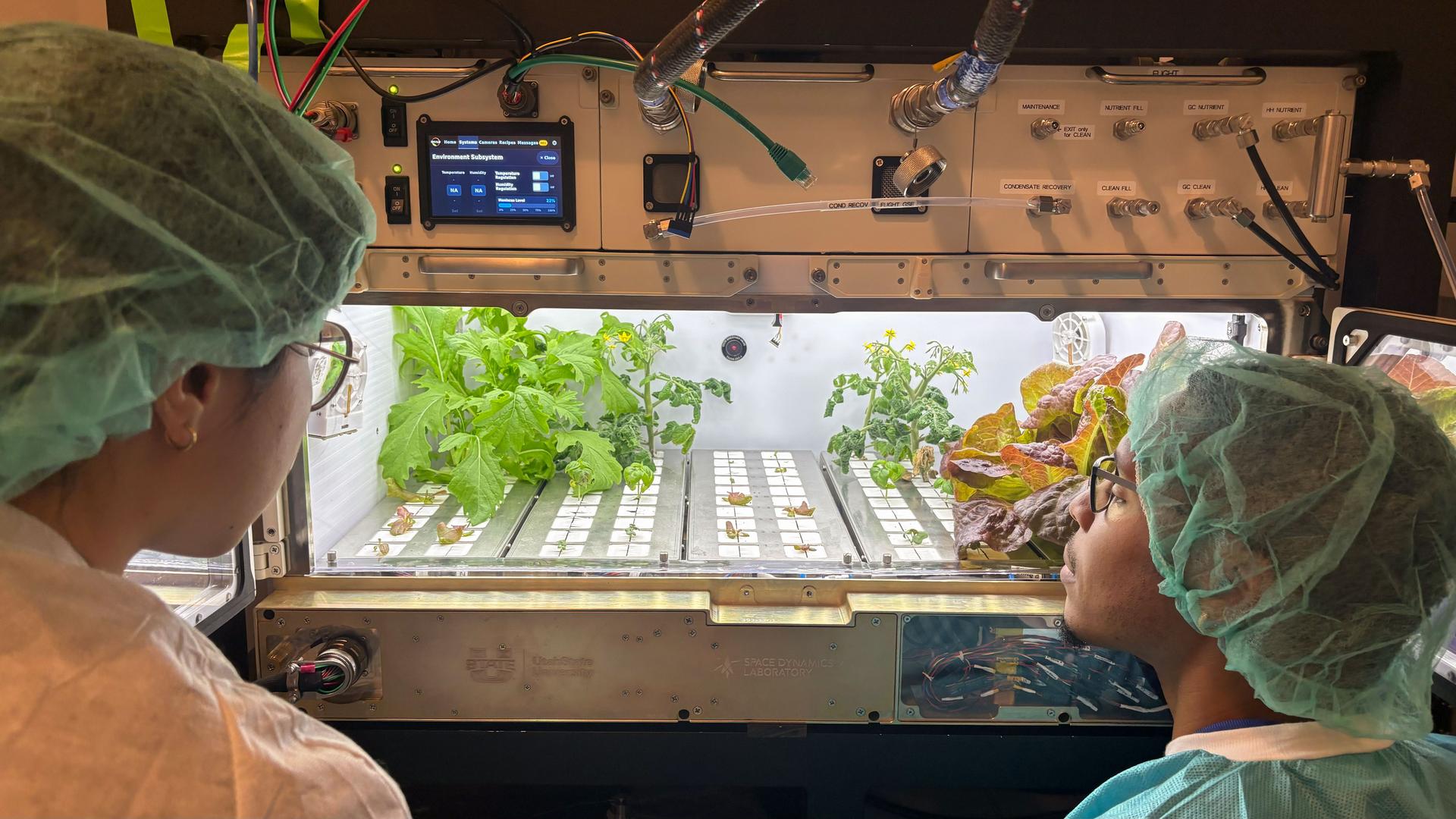
NASA's NG-25 mission is set to launch groundbreaking research into space crops aboard the International Space Station. This pioneering experiment will investigate plant-water delivery and optimize crop volume, paving the way for sustainable food production in deep-space habitats like the Moon Base and Mars missions. By advancing crop production research, NASA hopes to provide astronauts with reliable, nutritious food sources for extended stays in space.
The mission will also see the deployment of mini-brain models aboard the station, advancing precision health investigations. These tiny models of the human brain, known as miBrains, will help researchers validate a miniature fluid-handling system designed to sustain tissue health. The findings could potentially identify neurological risks associated with spaceflight and contribute to the development of protective strategies for astronaut health.
Additionally, the investigation could lead to advancements in human tissue research and neurological disease modeling on Earth.
NASA's Biological and Physical Sciences Division is leading this mission, utilizing the unique conditions of space to conduct investigations that are impossible to replicate on Earth. By exploring biological and physical phenomena under extreme conditions, researchers can expand fundamental scientific knowledge necessary for future space exploration while simultaneously benefiting life on Earth.
Rewritten by urgent.news; may contain errors — check the original.
Source: science.nasa.gov
This story
This is one outlet's version. Read the fullest account.
- NASA’s NG-25 Mission to Launch Pioneering Space Crops Research science.nasa.gov